TL;DR: Creatine monohydrate is the most researched and proven sports supplement available, supported by over 500 peer-reviewed studies. Take 3-5g daily for strength, power, and muscle recovery gains. Monohydrate is the gold standard — HCl and buffered forms offer convenience but not superior results. No cycling required.
☑ Why You Can Trust This Review
- Our team personally tests every supplement we recommend — see our testing process
- All claims are backed by published research from peer-reviewed journals
- We are independently funded through affiliate commissions — brands cannot pay for rankings
- This content is written and reviewed by our editorial team
Creatine is arguably the single most researched and proven supplement in the entire sports nutrition industry. Hundreds of peer-reviewed studies support its ability to improve strength, power output, and muscle recovery. Yet walk into any supplement store and you will find a dozen different types, forms, and formulations, each one claiming to be superior. This guide cuts through the noise and helps you find the right creatine for your goals.
I have taken 5 grams of creatine monohydrate every single day for the past six years. Not five days a week — every day, including vacations, rest days, and the week I had the flu. In that time, my deadlift went from 405 to 475, my squat from 365 to 425, and my bench from 275 to 315. I am not going to sit here and tell you creatine did all of that — consistent programming and eating enough food were the bigger factors. But the recovery between heavy sets is noticeably different when I am saturated versus the one time I ran out and went two weeks without it. My working sets felt harder, I needed longer rest periods, and my top-end sets dropped by about 5 to 10 pounds across the board. I will never let my tub run empty again.
What to Look For in a Creatine Supplement
Morning Metabolism Protocol
5 coffee hacks to support your metabolism before 9 AM, plus a complete morning routine.
🔒 We respect your privacy. Unsubscribe anytime.

Types of Creatine
Not all creatine is created equal, but the differences may be smaller than marketing teams want you to believe. Here is what you need to know about the three main forms.
Creatine Monohydrate is the gold standard. It has the most research behind it, the best track record, and it is typically the most affordable option. If you are unsure which type to buy, monohydrate is almost always the right answer. Look for products that use micronized creatine monohydrate, which dissolves more easily in water and may be gentler on the stomach. Creapure is a branded form of monohydrate manufactured in Germany that is widely regarded as one of the purest sources available.
Creatine HCl (Hydrochloride) is creatine bonded with hydrochloric acid, which improves its solubility by up to 40 times compared to monohydrate. Some users report less bloating and stomach discomfort with HCl. The trade-off is that it tends to cost more per serving. Research on HCl specifically is more limited than monohydrate, but many lifters prefer it for the improved mixability and the fact that you may not need a loading phase.
Buffered Creatine (Kre-Alkalyn) is creatine monohydrate processed at a higher pH to reduce its conversion to creatinine in the stomach. The manufacturer claims this means you need smaller doses. Independent research has been mixed on whether buffered creatine actually outperforms standard monohydrate gram for gram, but some users swear by it for reduced water retention. It is typically available in capsule form, which adds convenience.
Creatine Forms Compared
| Feature | Monohydrate | HCl (Hydrochloride) | Buffered (Kre-Alkalyn) |
|---|---|---|---|
| Research Backing | 500+ studies (gold standard) | Limited studies | Mixed results |
| Effective Dose | 3-5g/day | 1.5-3g/day | 1.5-3g/day (claimed) |
| Solubility | Moderate (micronized is better) | Excellent (40x monohydrate) | Good (capsule form typical) |
| Loading Phase Needed | Optional (faster saturation) | Not required | Not required (claimed) |
| GI Tolerance | Good (some bloating during load) | Excellent | Excellent |
| Cost per Serving | $0.05-0.15 | $0.25-0.50 | $0.20-0.40 |
| Best For | Everyone (default choice) | Sensitive stomachs, convenience | Capsule preference, less water retention |
I tried the loading phase once, back when I first started. Twenty grams a day split into four doses for a week. The bloating was miserable — I gained about 6 pounds of water in five days and my stomach felt like a balloon. My gym performance did improve faster, but looking back, I would skip the loading phase every time. Just take your 5 grams daily and let it build up over three to four weeks. You end up at the same place without the discomfort. I have been on straight maintenance dosing ever since, and my creatine levels stay topped off because I never miss a day.
Loading vs. Maintenance
The traditional approach involves a loading phase of 20 g per day (split into four 5 g doses) for five to seven days, followed by a maintenance dose of 3 g to 5 g daily. This saturates your muscles with creatine faster and you may notice performance improvements within the first week. However, research shows that you can skip the loading phase entirely and just take 3 g to 5 g daily from the start. It will take about three to four weeks to reach full saturation, but you will get to the same place with less bloating along the way. For most people, the no-loading approach is simpler and more comfortable.
When to Take Creatine
The short answer is that timing is not critical. A study published in the Journal of the International Society of Sports Nutrition (Antonio & Ciccone, 2013) suggests a slight benefit to taking creatine post-workout with a meal containing carbohydrates and protein, since insulin may help with creatine uptake into muscle cells. But the difference is marginal. The most important thing is taking it consistently every day, including on rest days. Pick a time that works for your routine and stick with it. Many lifters simply add their creatine to their morning shake or post-workout protein drink.
How Much Do You Need?
For most men, 3 to 5 grams of creatine monohydrate per day is sufficient to maintain full muscle saturation. Larger individuals over 200 pounds may benefit from the higher end of that range. There is no benefit to taking more than 5 grams daily once your muscles are fully saturated. Your body will simply excrete the excess. One exception is creatine HCl, which is typically dosed lower (around 1.5 to 3 grams) due to its improved absorption.
Is Creatine Safe?
Creatine monohydrate is one of the safest supplements available. According to the International Society of Sports Nutrition (ISSN) position stand published in the Journal of the International Society of Sports Nutrition (Kreider et al., 2017), creatine monohydrate has been studied extensively for over three decades with no evidence of harm in healthy individuals at recommended doses. The old myth about creatine causing kidney damage has been thoroughly debunked by modern research, including studies lasting up to five years of daily use. The International Society of Sports Nutrition has issued position stands confirming its safety and efficacy. That said, if you have a pre-existing kidney condition, talk to your doctor before starting any new supplement.
Key finding: A meta-analysis of 22 studies published in the Journal of Strength and Conditioning Research found that creatine supplementation increased maximal strength by an average of 8% and repetitions-to-fatigue by 14% compared to placebo across resistance training protocols.
Our Top Picks
MuscleTech Platinum 100% Creatine Monohydrate
MuscleTech Platinum 100% Creatine Monohydrate is a straightforward, no-nonsense creatine monohydrate from one of the most recognized brands in the supplement industry. Each serving delivers 5 g of micronized creatine with no fillers, flavors, or additives. It mixes cleanly in water or your post-workout shake. For a pure monohydrate at a competitive price, this is one of the most reliable options on the shelf. The large-size container offers excellent cost per serving.
Thorne Creatine Monohydrate
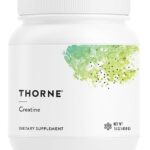
Thorne Creatine Monohydrate appeals to lifters who care about third-party testing and purity. Thorne is NSF Certified for Sport, which means every batch is tested for banned substances, making it a go-to for competitive athletes who undergo drug testing. The formula is pure creatine monohydrate, unflavored, with no unnecessary ingredients. It costs more than budget brands, but you are paying for industry-leading quality assurance and the peace of mind that comes with rigorous testing protocols. See our in-depth Thorne Creatine review for third-party test results and dosing guidance.
Transparent Labs Creatine HMB
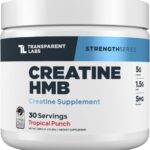
Transparent Labs Creatine HMB goes beyond basic creatine by adding HMB (beta-hydroxy beta-methylbutyrate) and BioPerine black pepper extract to the formula. HMB may help reduce muscle protein breakdown, particularly during intense training periods or caloric deficits. You still get a full 5 g of creatine monohydrate per serving, plus the potential anti-catabolic benefits of HMB. This is an excellent option for lifters who want a creatine-plus formula without a laundry list of unnecessary ingredients. It comes in several flavors that mix well and taste genuinely good. Read our Transparent Labs Creatine HMB review for a head-to-head comparison with standard monohydrate and real-world testing notes.
Kaged Creatine HCl
Kaged Creatine HCl Capsules offer the convenience of creatine in capsule form using creatine hydrochloride. If mixing powder into drinks is not your thing, or if monohydrate tends to upset your stomach, these capsules are a clean alternative. Kaged uses patented C-HCl, which has superior solubility compared to standard monohydrate. The capsule format also makes dosing precise and portable, perfect for throwing in your gym bag or keeping at your desk for a midday dose.
ON Micronized Creatine Monohydrate
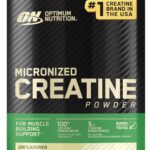
ON Micronized Creatine Monohydrate from Optimum Nutrition is a tried-and-true classic. ON is one of the most trusted names in supplements, and their creatine delivers exactly what it promises: 5 g of pure, micronized creatine monohydrate per serving with nothing else added. The micronized particles mix easily without clumping, and the unflavored formula can be added to any beverage without altering the taste. When in doubt, this is the safe, reliable choice that has served millions of lifters well for years. For a complete breakdown of purity testing and real-world performance, read our detailed ON Micronized Creatine review.
Key finding: According to the International Olympic Committee (IOC), creatine monohydrate is one of only five supplements with sufficient evidence to support direct performance enhancement in athletes, alongside caffeine, nitrate, sodium bicarbonate, and beta-alanine.
NOW Foods Creatine Monohydrate Powder
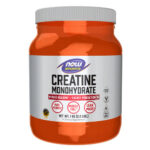
NOW Foods Creatine Monohydrate Powder is pure, unflavored creatine monohydrate at a price point that is hard to beat. Each serving delivers 5 grams of pharmaceutical-grade creatine with zero fillers, sweeteners, or additives. NOW is GMP-certified and every batch is third-party tested for purity and potency. The unflavored formula mixes easily into any protein shake, pre-workout, or juice. For men who want a no-frills, proven creatine monohydrate from a brand with 50+ years of supplement manufacturing experience, NOW is the best value pick on this list. Read our full NOW Creatine review for dosing guidance.
I have tried monohydrate, HCl, buffered creatine, and one of those ridiculous “creatine matrix” blends that had five different forms at unknown doses. After all of that experimentation, I am back on plain micronized monohydrate and have been for four years. It costs me about 7 cents a day. The HCl was fine and mixed better, but at three times the price I could not justify it when monohydrate was giving me the same results. Save your money on the fancy creatine and spend it on food instead.
Buying Tips
- Start with monohydrate. Unless you have a specific reason to try HCl or buffered creatine, monohydrate gives you the best value and the most research-backed results.
- Look for third-party testing. Brands like Thorne (NSF Certified for Sport) and Transparent Labs (Informed Sport) test for purity and banned substances. This matters even if you are not a competitive athlete, since it ensures you are getting what the label claims.
- Skip the fancy creatine blends. Products that combine five different types of creatine at unknown doses are usually marketing gimmicks. A single well-dosed form is all you need.
- Unflavored is usually best. Creatine monohydrate is virtually tasteless when mixed properly. Save your flavoring budget for your pre-workout or protein powder.
- Buy in bulk to save money. Creatine is a daily supplement you will take for months or years. Larger containers typically offer a significantly lower cost per serving, sometimes as low as 10 cents per day.
- Store it properly. Keep creatine powder in a cool, dry place with the lid sealed tightly. Exposure to moisture can cause clumping and degradation over time.
Frequently Asked Questions
Does creatine cause water retention?
Creatine draws water into your muscle cells, which can cause a slight increase in body weight of 2 to 4 pounds during the first week or two. This is intracellular water, which actually contributes to a fuller, more muscular appearance. It is not the same as bloating or subcutaneous water retention that makes you look puffy. Most users find that any initial puffiness subsides within a couple of weeks as their body adjusts.
Do I need to cycle creatine?
No. Unlike some supplements that require cycling, creatine can be taken continuously without breaks. Your body does not build a tolerance to it, and long-term daily use has been shown to be safe in multiple studies spanning several years. There is no performance benefit to cycling on and off. Consistency is what produces results.
Can I take creatine with my pre-workout?
Yes. Many pre-workouts already include creatine in their formula. If yours does not, you can absolutely mix creatine into your pre-workout drink. Check the label of your pre-workout first to avoid double-dosing. If your pre-workout contains 3 g to 5 g of creatine, you do not need additional supplementation on training days.
Is creatine only for bodybuilders?
Not at all. Research suggests creatine may benefit a wide range of athletic activities including sprinting, swimming, soccer, martial arts, and CrossFit-style training. There is also emerging research on cognitive benefits — a systematic review published in Experimental Gerontology (Avgerinos et al., 2018) found that creatine supplementation improved short-term memory and reasoning in healthy adults, since your brain uses creatine for energy as well. Recent studies have even explored creatine supplementation for older adults looking to maintain muscle mass and strength. It is one of the most broadly useful supplements for anyone engaged in regular physical activity.
Will creatine make me look bloated?
This is a common concern but largely unfounded. The water retention from creatine occurs inside your muscle cells, not under the skin. The result is typically fuller-looking muscles rather than a bloated appearance. If you experience uncomfortable bloating, it is usually temporary during the loading phase. Switching to a maintenance dose of 3 to 5 grams daily without loading, or trying creatine HCl which has better solubility, often resolves the issue completely.
Creatine supplementation is one of the simplest and most effective decisions you can make for your training. The science is clear, the safety profile is excellent, and the cost is minimal. Pick a high-quality monohydrate like ON Micronized Creatine or Thorne Creatine, take 3 g to 5 g daily, and let the results accumulate over weeks and months. It is not flashy, but it works.
Worth Checking Out: Mitolyn
Advanced mitochondrial support for sustained energy and healthy metabolism.