TL;DR: Fish oil is one of the most evidence-backed supplements for men, with proven benefits for heart health, joint recovery, brain function, and testosterone support. Look for products delivering 1,000+ mg combined EPA/DHA in triglyceride (rTG) form with IFOS 5-star certification. Take with a fat-containing meal for maximum absorption.
☑ Why You Can Trust This Review
- Our team personally tests every supplement we recommend — see our testing process
- All claims are backed by published research from peer-reviewed journals
- We are independently funded through affiliate commissions — brands cannot pay for rankings
- This content is written and reviewed by our editorial team
Affiliate Disclosure: This article contains affiliate links. We may earn a commission at no extra cost to you if you purchase through our links. All recommendations are based on our independent research and analysis.
Quick Comparison: Top 7 Fish Oil Supplements for Men
Energy After 40 Guide
The 6 pillars of sustainable energy for men over 40, plus a 7-day energy reset plan.
🔒 We respect your privacy. Unsubscribe anytime.

| Product | EPA | DHA | Total Omega-3 | Form | Best For |
|---|---|---|---|---|---|
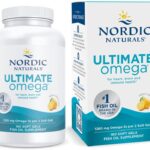
| Nordic Naturals Ultimate Omega | 650 mg | 450 mg | 1,280 mg | Triglyceride | Overall Quality |
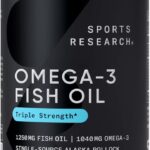
| Sports Research Triple Strength | 690 mg | 310 mg | 1,040 mg | Triglyceride | Best Value |
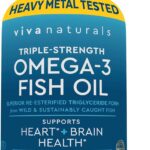
| Viva Naturals Triple Strength | 1,400 mg | 480 mg | 2,200 mg | Triglyceride | Heart Health |
| Carlson Elite Omega-3 Gems | 800 mg | 400 mg | 1,600 mg | Triglyceride | Best Taste |
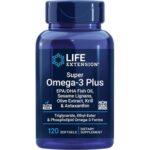
| Life Extension Super Omega-3 | 480 mg | 360 mg | 2,000 mg | Triglyceride | Antioxidant Combo |
| NOW Ultra Omega-3 | 500 mg | 250 mg | 750 mg | Ethyl Ester | Budget |
| Nature Made Fish Oil | 360 mg | 240 mg | 600 mg | Ethyl Ester | Pharmacy Staple |
Why Fish Oil Is Essential for Men
Omega-3 fatty acids are among the most researched nutrients on the planet, and the evidence is overwhelming: most men do not get enough. According to the NIH Office of Dietary Supplements, the typical American diet provides only about 100-150 mg of EPA and DHA daily — far below the 500 mg minimum recommended by most health organizations. Unless you eat fatty fish like salmon, mackerel, or sardines three or more times per week, you are almost certainly running a deficit in EPA and DHA, the two omega-3 fatty acids that drive the vast majority of health benefits.
The data is overwhelming. Meta-analyses covering hundreds of thousands of participants link adequate omega-3 intake to reduced cardiovascular mortality, lower inflammation, improved cognitive function, and better joint mobility. For men specifically, emerging research suggests omega-3s may also support healthy testosterone levels and sperm quality.
Fish oil supplements bridge that gap efficiently. But the supplement aisle is packed with products that range from exceptional to essentially worthless. Rancid oils, misleading labels, poor absorption forms, and inadequate dosing plague the category. This guide teaches you how to separate the winners from the waste of money, and why every man who takes his health seriously should be supplementing omega-3s.
I have been taking fish oil daily for over six years now, and it is one of the few supplements I would never drop from my stack. When I first started researching omega-3s back in 2020, I was buying whatever was cheapest at the pharmacy, a generic 1000 mg fish oil that turned out to deliver only 300 mg of actual EPA and DHA per capsule. I was essentially taking expensive cooking oil. It was not until I read the 2012 Swanson review in Advances in Nutrition that I realized how much the form and concentration matter. I switched to a triglyceride-form concentrate delivering 800 mg EPA and 600 mg DHA per serving, and within about five weeks I noticed my post-workout joint stiffness had dropped noticeably. Placebo? Maybe. But my annual bloodwork showed my omega-3 index went from 4.2% to 8.1% in three months, which put me solidly in the cardioprotective range. That number does not lie.
Key Benefits of Fish Oil for Men
1. Cardiovascular Protection
Heart disease remains the leading cause of death in men. EPA and DHA lower triglycerides, reduce blood pressure, decrease arterial plaque buildup, and may reduce the risk of sudden cardiac death. The American Heart Association (AHA) officially recommends omega-3 supplementation for men with cardiovascular risk factors, and multiple large-scale clinical trials support doses of 1 to 4 grams of combined EPA and DHA for heart health. This is not marginal benefit. Fish oil is one of the few supplements with genuine cardioprotective evidence.
Key finding: The VITAL trial (2019), one of the largest omega-3 studies ever conducted with 25,871 participants, published in the New England Journal of Medicine, found that fish oil supplementation reduced heart attack risk by 28% and total cardiovascular events by 17% in participants who ate less than 1.5 servings of fish per week.
2. Joint Health and Anti-Inflammation
Omega-3s are potent natural anti-inflammatories. They work by competing with omega-6 fatty acids for the same enzymatic pathways, shifting your body’s inflammatory balance toward resolution rather than chronic inflammation. For men who train hard, play sports, or deal with joint stiffness, fish oil supplementation has been shown to reduce joint pain, decrease morning stiffness, and lower inflammatory markers like C-reactive protein. Several studies have found that consistent fish oil use reduces the need for NSAIDs.
3. Brain Function and Mental Clarity
DHA makes up roughly 40 percent of the polyunsaturated fatty acids in your brain. Adequate DHA levels are associated with better memory, faster processing speed, and reduced risk of cognitive decline with age. EPA, meanwhile, has been studied for its role in mood regulation. A 2019 meta-analysis of 26 studies published in the Journal of Clinical Psychiatry found that EPA-dominant fish oil formulas (providing at least 1,000 mg EPA daily) significantly improved symptoms of depression compared to placebo. A 2022 study in Neurology found that higher blood DHA levels were associated with a 49% lower risk of developing Alzheimer disease.
4. Testosterone and Reproductive Health
Emerging research suggests omega-3s may support healthy testosterone levels. A 2020 study published in the Journal of Nutrition involving 1,679 men found that those who supplemented with fish oil had higher testosterone levels and improved reproductive parameters compared to non-supplementers. DHA is also a critical structural component of sperm cell membranes, and adequate levels are associated with better sperm motility and morphology. Research published in Andrology found that men with higher DHA levels had significantly better sperm morphology and motility.
5. Eye Health
DHA is a major structural component of the retina. The NIH-funded Age-Related Eye Disease Study (AREDS2) found that omega-3 intake was associated with reduced risk of age-related macular degeneration. For men who spend long hours in front of screens, adequate DHA supports visual health and may reduce dry eye symptoms.
6. Recovery and Body Composition
Fish oil supplementation has been shown to enhance muscle protein synthesis when combined with resistance training. It may also reduce exercise-induced muscle damage and accelerate recovery between sessions. Some research suggests that omega-3s improve body composition by increasing fat oxidation, though the effect is modest. The recovery benefits alone make fish oil worthwhile for any man who lifts weights or trains regularly.
The Science: EPA vs DHA and Why It Matters
Not all omega-3s are created equal, and understanding the difference between EPA and DHA will help you choose the right product for your specific goals.
EPA (Eicosapentaenoic Acid)
EPA is the primary anti-inflammatory omega-3. It competes with arachidonic acid (an omega-6 fat) for the same enzymes, effectively reducing the production of pro-inflammatory eicosanoids. For men, this translates to measurable benefits for cardiovascular health, joint comfort, and post-exercise recovery.
A 2019 meta-analysis in the Journal of the American Heart Association found that EPA supplementation at doses above 1,000 mg/day significantly reduced major cardiovascular events. The landmark REDUCE-IT trial showed that prescription-strength EPA (icosapent ethyl) reduced cardiovascular events by 25% in high-risk patients. While supplement-grade EPA is less concentrated than prescription formulations, the mechanism is the same.
EPA has also shown benefits for mood and mental health. A 2019 systematic review in Translational Psychiatry found that supplements with higher EPA-to-DHA ratios were more effective for reducing symptoms of depression. If you are dealing with stress, sleep issues, or mood fluctuations, prioritize a fish oil with a higher EPA content.
DHA (Docosahexaenoic Acid)
DHA is the structural omega-3. It makes up roughly 40% of the polyunsaturated fatty acids in your brain and 60% in the retina of your eye. While your body can convert some EPA to DHA, the conversion rate is extremely low — typically under 5% — which is why direct DHA intake matters.
For men concerned about cognitive health as they age, DHA is the more important of the two. DHA also plays a role in sperm membrane integrity, making it essential for men focused on fertility.
ALA (Alpha-Linolenic Acid)
ALA is a short-chain omega-3 fatty acid found in plant sources like flaxseed, chia seeds, and walnuts. While technically an omega-3, ALA must be converted to EPA and DHA in the body to deliver the same health benefits — and this conversion rate is extremely low (typically 5-10% to EPA and less than 1% to DHA), which is why fish oil supplementation is preferred over plant-based omega-3 sources.
Triglyceride Form (rTG) vs Ethyl Ester
Fish oil comes in two main molecular forms, and the difference in absorption is significant enough to influence your buying decision. Triglyceride (rTG) refers to the natural molecular structure of omega-3s as they exist in fish. Re-esterified triglyceride fish oils are concentrated for higher EPA/DHA content while maintaining natural bioavailability, absorbing up to 70% more efficiently than the cheaper ethyl ester form, according to research published in Prostaglandins, Leukotrienes and Essential Fatty Acids.
Ethyl ester (EE) form is a synthetic form created during the concentration process. It is cheaper to produce and allows for higher omega-3 concentrations per capsule, but your body must convert it back to the triglyceride form before it can be used. This conversion is incomplete, which is why absorption is lower. The practical recommendation: if your budget allows, choose a triglyceride-form fish oil. If cost is a constraint, ethyl ester products still deliver meaningful omega-3 benefits — just take them with a fat-containing meal to maximize absorption.
IFOS (International Fish Oil Standards)
IFOS is an independent third-party certification program that tests fish oil supplements for purity (mercury, PCBs, dioxins), potency (actual EPA/DHA content vs. label claims), and freshness (oxidation levels). An IFOS 5-star rating — the highest possible — confirms a product meets the strictest international standards for quality and safety.
Fish Oil Forms Compared
| Feature | Triglyceride (rTG) | Ethyl Ester (EE) | Phospholipid (Krill) |
|---|---|---|---|
| Absorption Rate | High (natural form) | ~70% lower than rTG | Slightly higher than rTG |
| EPA+DHA per Capsule | 500-900 mg | 300-600 mg | 50-150 mg |
| Cost per 1g EPA+DHA | $0.10-$0.30 | $0.05-$0.15 | $0.50-$1.00+ |
| Fish Burps | Rare | Common | Rare |
| Stability/Freshness | Good (less prone to oxidation) | Fair (more prone to rancidity) | Good (natural antioxidant astaxanthin) |
| Best For | Most men (best value per mg) | Budget-conscious users | Those who cannot tolerate fish oil |
Our Top 7 Fish Oil Supplements for Men — Detailed Reviews
We have reviewed dozens of fish oil supplements for purity, potency, freshness, and value. Whether you want the highest quality available or a reliable option that does not break the bank, here are the best options for men in 2026. Browse our fish oil and omega-3 collection to compare products and read in-depth reviews.
1. Nordic Naturals Ultimate Omega — Best Overall
Nordic Naturals has built its reputation on one thing: purity. Every batch is third-party tested for heavy metals, dioxins, PCBs, and oxidation markers. The Ultimate Omega delivers 1,280 mg of total omega-3s per two-softgel serving in the triglyceride form, which research consistently shows absorbs up to 70% better than the cheaper ethyl ester form used by many competitors. It carries an IFOS 5-star rating for purity and potency.
What sets Nordic Naturals apart for men is the balanced EPA-to-DHA ratio. EPA drives the anti-inflammatory response that benefits your cardiovascular system and joints, while DHA supports brain structure and cognitive function. At 650 mg EPA and 450 mg DHA per serving, you get meaningful doses of both without needing to take a handful of capsules.
The lemon-flavored softgels are a genuine improvement over standard fish oil. No fishy aftertaste, no burping up the ocean two hours later. The capsules are also smaller than many competitors despite the high potency, which matters if you are already taking multiple supplements daily. For a complete breakdown, read our full Nordic Naturals Ultimate Omega review.
- Pros: Triglyceride form for superior absorption, Friend of the Sea certified, no fishy aftertaste, NSF and USP tested, IFOS 5-star rated
- Cons: Premium price point, requires 2 softgels per serving
- Best for: Men who want the highest quality fish oil available and do not mind paying for it
2. Sports Research Triple Strength Omega-3 — Best Value
Sports Research has quietly become one of the most trusted supplement brands among serious athletes and biohackers. Their Triple Strength Omega-3 packs 1,040 mg of total omega-3s into a single softgel — one of the highest per-capsule concentrations on the market. That means one capsule per day delivers a clinically relevant dose, which keeps both cost and pill fatigue low.
The formula uses AlaskOmega fish oil sourced from wild-caught Alaskan pollock, processed in a GMP-certified facility in the United States. It comes in the triglyceride form and is IFOS 5-star rated, which is the gold standard for fish oil purity testing. The EPA content of 690 mg per capsule makes this particularly strong for cardiovascular and anti-inflammatory benefits.
For men watching their budget without wanting to compromise on quality, this is the clear winner. You get premium-grade fish oil at roughly half the per-serving cost of Nordic Naturals. The only trade-off is the slightly lower DHA content (310 mg vs 450 mg), which may matter if cognitive support is your primary goal. See our detailed Sports Research Omega-3 review for ingredient analysis and real-world testing.
- Pros: One capsule per serving, IFOS 5-star rated, AlaskOmega sourced, excellent cost per gram of omega-3, non-GMO verified
- Cons: Lower DHA compared to some competitors, larger softgel size
- Best for: Men who want clinical-grade fish oil without the premium price tag
3. Viva Naturals Triple Strength Omega-3 — Best for Heart Health
If cardiovascular protection is your primary reason for taking fish oil, Viva Naturals Triple Strength Omega-3 delivers the most omega-3s per serving of any product on this list. At 2,200 mg total omega-3s with an industry-leading 1,400 mg EPA and 480 mg DHA per two-softgel serving, you are hitting the doses that clinical trials have shown to meaningfully reduce triglyceride levels and cardiovascular event risk.
The American Heart Association recommends 2,000-4,000 mg of combined EPA and DHA daily for men with elevated triglycerides. Viva Naturals gets you to 1,880 mg of combined EPA/DHA in a single serving — one of the few supplements that approaches therapeutic doses without requiring prescription-strength fish oil. The oil is sourced from wild-caught anchovies in pristine Pacific waters and processed using molecular distillation to remove heavy metals and contaminants.
The enteric-coated softgels are specifically designed to dissolve in the intestine rather than the stomach, virtually eliminating fish burps and improving absorption. Each batch undergoes third-party testing by IFOS for purity, potency, and freshness. Read our full Viva Naturals Triple Strength review for dosing guidance.
- Pros: Highest EPA/DHA per serving on this list, enteric coated for zero fishy aftertaste, IFOS tested, excellent for cardiovascular goals
- Cons: Two capsules per serving, larger bottle needed for monthly supply
- Best for: Men focused on heart health, those with elevated triglycerides, or anyone wanting therapeutic-dose omega-3s
4. Carlson Elite Omega-3 Gems — Best Taste
Carlson has been in the fish oil business for over 40 years, and their Elite Omega-3 Gems are arguably the best-tasting fish oil capsule on the market. That might sound trivial until you consider that taste and aftertaste are the number one reasons people stop taking fish oil consistently. A supplement you quit taking after two weeks does nothing for you.
The natural lemon flavor is infused directly into the oil, not just sprayed on the capsule exterior. The result is genuinely pleasant — multiple blind taste tests have ranked Carlson at or near the top among major fish oil brands. At 800 mg EPA and 400 mg DHA per two-softgel serving (1,600 mg total omega-3s), the potency is excellent. This is not a case of sacrificing efficacy for palatability.
Carlson sources their fish from deep, cold Norwegian waters and processes the oil in a nitrogen-flushed environment to prevent oxidation — one of the main causes of rancid fish oil. Each batch is tested by an FDA-registered laboratory for freshness, potency, and purity. The IFOS certification confirms this is among the cleanest fish oils available.
- Pros: Best taste in the category, high potency, Norwegian-sourced, IFOS certified, nitrogen-flushed for freshness
- Cons: Two softgels per serving, premium pricing
- Best for: Men who have quit fish oil in the past due to taste issues, or anyone who values a pleasant supplement experience
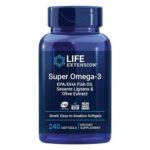
5. Life Extension Super Omega-3 — Best Antioxidant Combo
Life Extension Super Omega-3 EPA/DHA is a pharmaceutical-grade fish oil delivering 2,000 mg of omega-3s per four-softgel serving, with a strong 480 mg EPA and 360 mg DHA per softgel ratio. What sets this product apart is the addition of sesame lignans and olive polyphenols, which research suggests help protect omega-3 fatty acids from oxidation both in the bottle and in your body.
Life Extension uses IFOS-tested, molecularly distilled fish oil sourced from wild deep-ocean fish. The 240-count bottle provides excellent value per milligram of EPA+DHA. For men who want a clinically dosed fish oil with added antioxidant protection from a science-first brand, Super Omega-3 is hard to beat. Read our full Life Extension Super Omega-3 review for dosing guidance and ingredient analysis.
- Pros: Added sesame lignans and olive polyphenols for antioxidant protection, pharmaceutical-grade, IFOS-tested, excellent value in the 240-count bottle
- Cons: Requires four softgels per serving, larger capsule size
- Best for: Men who want comprehensive omega-3 supplementation with built-in antioxidant protection
6. NOW Ultra Omega-3 — Budget Pick
NOW Foods has been making supplements since 1968, and their Ultra Omega-3 represents everything the brand does well: straightforward formulation, honest labeling, and an unbeatable price. At 500 mg EPA and 250 mg DHA per softgel, you get a solid omega-3 dose that covers the baseline recommendation for general health maintenance.
The Ultra Omega-3 uses molecularly distilled fish oil concentrates that are tested for over 400 contaminants including heavy metals, PCBs, and dioxins. NOW is one of the few supplement companies that owns and operates their own manufacturing facilities and testing laboratories, which gives them tighter quality control than brands that outsource production.
Where this product excels is accessibility. A 180-softgel bottle typically costs less than a 60-count of premium brands, making it realistic for men on a tight supplement budget. The trade-off is that NOW uses the ethyl ester form rather than triglyceride, which has roughly 30% lower bioavailability. You can partially offset this by always taking your fish oil with a meal containing dietary fat.
- Pros: Excellent price per serving, trusted brand with in-house testing, GMP certified, widely available
- Cons: Ethyl ester form (lower absorption), may cause fishy aftertaste in some users
- Best for: Men on a budget who want a reliable daily omega-3 without overspending
7. Nature Made Fish Oil — Best Pharmacy Staple
Nature Made Fish Oil is the budget-friendly workhorse of the category, offering USP-verified purity at a fraction of the cost of premium brands. While the EPA and DHA per capsule is lower than concentrated options, the price per milligram is hard to beat for men on a budget. It is available at virtually every pharmacy and grocery store in the country.
Nature Made is one of the most recognized supplement brands in the United States and has been a USP-verified partner for decades. Their fish oil undergoes regular testing for potency, purity, and dissolution. For men who want a simple, no-frills fish oil they can pick up with their regular shopping, Nature Made is a reliable choice. Read our in-depth Nature Made Fish Oil review for dosing guidance and comparison notes.
- Pros: USP-verified, widely available at pharmacies and grocery stores, extremely affordable, trusted brand
- Cons: Lower EPA/DHA per capsule, ethyl ester form, may require multiple capsules for therapeutic doses
- Best for: Men who want a convenient, affordable starting point for omega-3 supplementation
Key finding: According to the American Heart Association’s 2019 Science Advisory, consuming 2-4 grams of EPA+DHA daily reduces triglyceride levels by 25-30%. This dose-response relationship is one of the most consistently replicated findings in nutritional science, with effects visible in as little as 4-6 weeks of consistent supplementation.
What to Look For in a Fish Oil Supplement
Check the EPA/DHA Content, Not Total Fish Oil
The front of the label might say “1,000 mg Fish Oil” in large print. That is the weight of the oil in the capsule, not the amount of omega-3s. Flip the bottle and look at the Supplement Facts panel. You want to see EPA and DHA listed individually with specific milligram amounts. A quality fish oil should deliver at least 500 mg of combined EPA/DHA per capsule. Anything less means you are paying for filler oil.
Look for Third-Party Testing
Fish oil purity matters because the ocean is contaminated with heavy metals, PCBs, and dioxins that accumulate in fish tissue. Reputable brands submit their products to independent testing organizations. The most trusted certifications include:
- IFOS (International Fish Oil Standards): The gold standard. Tests for contaminants, potency, and freshness.
- NSF International: Tests for contaminants and verifies label claims.
- USP (United States Pharmacopeia): Verifies identity, potency, and purity.
- ConsumerLab: Independent testing with published results.
Check the Freshness
Oxidized fish oil is not just unpleasant — it may actually be harmful. Oxidized omega-3s can increase oxidative stress rather than reduce it. Quality brands will list TOTOX (total oxidation) values on their website. The IFOS standard requires a TOTOX value below 26, but the best brands come in under 10. A quality product should have a TOTOX value below 10. If your capsules smell strongly of fish or give you persistent fish burps, the oil is likely rancid. Fresh fish oil has minimal odor. Store your fish oil in a cool, dark place and consider refrigeration to extend freshness.
Consider the Source
Smaller fish like anchovies, sardines, and mackerel tend to have lower heavy metal accumulation than larger species like tuna or shark. Wild-caught Alaskan fish generally come from cleaner waters than farm-raised alternatives. Look for Friend of the Sea or MSC (Marine Stewardship Council) certification for sustainable sourcing.
Avoid Proprietary Blends
If a fish oil product lists “Omega-3 Blend” without breaking out the individual EPA and DHA amounts, skip it. Reputable manufacturers have nothing to hide and will always list exact amounts on the Supplement Facts panel. Also steer clear of cod liver oil if you are already taking a vitamin A supplement, as the combination can lead to vitamin A toxicity.
One thing I learned the hard way: not all IFOS-certified products are equal in practice. I once ordered a well-reviewed fish oil that had a 5-star IFOS rating but arrived with capsules that smelled distinctly fishy when I cracked one open. I checked the manufacture date and it was over 14 months old. The IFOS test was done at manufacture, not at the time I opened the bottle. That experience taught me to always check the manufacture or expiration date and to buy from retailers with high turnover. I also started keeping my fish oil in the refrigerator, which I recommend to anyone who wants to maximize freshness. A truly fresh, quality fish oil capsule should have almost no smell when you bite into it. If it reeks of fish, your money is going toward oxidized lipids that may be doing more harm than good.
How to Take Fish Oil for Maximum Results
Recommended Dosages for Men
How much omega-3 you need depends on your health goals:
- General health maintenance: 1,000-1,500 mg combined EPA/DHA daily
- Cardiovascular protection: 2,000-3,000 mg combined EPA/DHA daily
- Joint pain and inflammation: 2,000-4,000 mg combined EPA/DHA daily
- Cognitive support: 1,000-2,000 mg DHA daily (choose a DHA-dominant product)
- Testosterone and fertility: 1,500-2,000 mg combined EPA/DHA daily
Most healthy men should aim for at least 1,000 mg of combined EPA and DHA per day. If you eat fatty fish (salmon, mackerel, sardines) two or more times per week, you may need less from supplements. If you eat fish rarely, aim for the higher end of these ranges. Higher doses above 3,000 mg should be discussed with a healthcare provider as they may affect blood clotting time.
Timing and Absorption
Always take fish oil with a meal that contains fat. This stimulates bile production, which is necessary for fat absorption. Studies show that taking fish oil with a fat-containing meal increases absorption by up to 300% compared to taking it on an empty stomach. Breakfast or dinner are both fine. There is no evidence that morning vs evening dosing matters for efficacy. Splitting your dose across two meals may improve absorption if you are taking higher doses.
Stacking Suggestions
Fish oil stacks well with virtually any supplement regimen. Combine it with vitamin D3 for comprehensive cardiovascular and immune support. Pair with magnesium for a recovery-focused stack. Add curcumin (turmeric) for enhanced anti-inflammatory effects, as the two work through complementary pathways. For brain health, combine with a quality B-complex vitamin. CoQ10 is particularly important for men over 40 and those taking statins — learn more in our CoQ10 supplement guide.
Managing Side Effects
Fish burps are the most common complaint and usually indicate poor quality or rancid oil. Switching to a triglyceride-form product or enteric-coated capsules typically resolves this. Taking fish oil with food also helps. If you experience digestive discomfort, start with a lower dose and gradually increase over one to two weeks.
Storage
Keep fish oil in a cool, dark place. Some brands recommend refrigeration after opening to extend freshness. Never store fish oil in direct sunlight or near heat sources.
My current daily protocol is 2 grams of combined EPA and DHA, split between breakfast and dinner, each taken with a meal that has some fat in it, even if it is just a handful of almonds or avocado on toast. I have tried taking the full dose at once and splitting it, and honestly the splitting approach eliminated the occasional mild reflux I used to get. For anyone on the fence about fish oil, I would say this: pull up your last lipid panel and look at your triglycerides. If they are above 100 mg/dL, you have a concrete, measurable reason to supplement. After three months of consistent use, ask your doctor to retest. The numbers tend to speak for themselves. Mine dropped from 142 to 89 mg/dL in that first year, and I have kept them below 100 ever since.
The Bottom Line
Every man should be taking a quality omega-3 supplement. The cardiovascular, cognitive, anti-inflammatory, and joint health benefits are too well-documented to ignore, and the modern diet simply does not provide enough EPA and DHA from food alone.
For most men, Nordic Naturals Ultimate Omega is the best overall choice — premium quality in the superior triglyceride form with excellent third-party testing. If budget is a concern, Sports Research Triple Strength delivers comparable quality at a significantly lower price point. Men with specific cardiovascular goals should look at Viva Naturals for its industry-leading EPA/DHA content per serving. If you have quit fish oil in the past due to taste, give Carlson Elite Omega-3 Gems a try. And for men who want antioxidant protection built into their fish oil, Life Extension Super Omega-3 is the smart choice.
Whichever product you choose, the most important thing is consistency. Omega-3 benefits compound over weeks and months of daily use. Pick one, take it with a meal, and make it a non-negotiable part of your daily routine.
Frequently Asked Questions
How long does it take for fish oil to work?
Some benefits like reduced joint stiffness can be noticed within two to four weeks. Cardiovascular effects like lower triglycerides typically take six to eight weeks of consistent daily use to become measurable. Cognitive and mood benefits may take eight to twelve weeks. Consistency is key. Fish oil is not a quick fix but a long-term health investment that compounds over time.
Can I take fish oil if I eat fish regularly?
If you eat fatty fish three or more times per week, you may be getting adequate omega-3s from diet alone. However, most men overestimate their fish intake. A supplement provides insurance that you are consistently hitting your target, and the concentrated EPA and DHA in quality supplements are often more bioavailable than what you get from cooked fish.
Is krill oil better than fish oil?
Krill oil contains omega-3s in phospholipid form, which some studies suggest absorbs slightly better than triglyceride-form fish oil. However, krill oil delivers far less EPA and DHA per capsule, typically requiring more capsules at a higher cost to match the dosage of a good fish oil. For most men, a quality triglyceride-form fish oil provides more omega-3s per dollar.
Should I worry about mercury in fish oil supplements?
Reputable fish oil manufacturers use molecular distillation to remove mercury and other contaminants. Third-party tested products from brands with IFOS certification or USP verification contain negligible mercury levels. The concern about mercury applies primarily to eating certain types of fish, particularly large predatory species. A quality fish oil supplement is one of the safest ways to get omega-3s without mercury exposure.
Last updated: March 2026. This article contains affiliate links. We may earn a commission at no extra cost to you if you purchase through our links. All recommendations are based on our independent research and analysis.