If you’ve spent any time researching natural ways to support healthy testosterone levels, you’ve probably come across zinc. It’s one of the most well-studied minerals when it comes to male hormone health — and for good reason. Zinc is directly involved in testosterone synthesis, and even a mild deficiency can tank your levels.
☑ Why You Can Trust This Review
- Our team personally tests every supplement we recommend — see our testing process
- All claims are backed by published research from peer-reviewed journals
- We are independently funded through affiliate commissions — brands cannot pay for rankings
- This content is written and reviewed by our editorial team
But here’s where it gets complicated: walk into any supplement aisle (or browse any online store) and you’ll find zinc picolinate, zinc citrate, zinc gluconate, zinc glycinate, zinc monomethionine, and more. They’re not all created equal. The form you choose matters — a lot — because it determines how much your body actually absorbs and uses.
In this guide, we’ll break down exactly what the research says about each zinc form, which ones are best for supporting testosterone, and which products from our catalog are worth your money.
Why Zinc Matters for Testosterone

Zinc is an essential trace mineral involved in over 300 enzymatic reactions in the body. For men, its role in testosterone production is particularly significant. Here’s why:
- Leydig cell function: Zinc is required by the Leydig cells in the testes to produce testosterone. Without adequate zinc, these cells simply can’t do their job efficiently.
- Aromatase inhibition: Zinc acts as a natural aromatase inhibitor, meaning it helps prevent testosterone from being converted into estrogen. This is a big deal for maintaining a favorable T-to-E ratio.
- Luteinizing hormone (LH) signaling: Zinc supports the release of LH from the pituitary gland, which is the hormone that tells your testes to produce testosterone.
- Antioxidant protection: Zinc protects the testes from oxidative stress, which can damage the cells responsible for hormone production.
A landmark 1996 study published in Nutrition by Prasad et al. demonstrated this clearly: when young men were put on a zinc-restricted diet for 20 weeks, their serum testosterone levels dropped by nearly 75%. When elderly men with mild zinc deficiency supplemented with 30mg of zinc daily for six months, their testosterone levels nearly doubled.
The takeaway? If your zinc levels are low, supplementation can have a dramatic impact on testosterone. But even if you’re not clinically deficient, ensuring optimal zinc status is one of the simplest things you can do for your hormonal health.
Zinc Forms Compared: Absorption and Bioavailability
Not all zinc supplements deliver the same amount of usable zinc to your body. Here’s a detailed look at the most common forms:
Zinc Picolinate
Bioavailability: Excellent (top tier)
Zinc picolinate is zinc bound to picolinic acid, a natural amino acid metabolite. A frequently cited 1987 study in Agents and Actions by Barrie et al. compared zinc picolinate, zinc citrate, and zinc gluconate absorption. The picolinate group showed significantly higher zinc levels in hair, urine, and red blood cells after four weeks — suggesting superior absorption.
This form is widely considered the gold standard for zinc supplementation, especially when testosterone support is the goal. It’s gentle on the stomach and efficiently absorbed even when taken with food.
Zinc Citrate
Bioavailability: Very Good
Zinc citrate is zinc bound to citric acid. It offers solid absorption that’s comparable to picolinate in some studies, though slightly lower in others. A 2014 study in the Journal of the American College of Nutrition found that zinc citrate was well-absorbed and effectively raised plasma zinc levels.
It’s a good mid-range option — more bioavailable than gluconate, well-tolerated, and typically affordable. If picolinate isn’t available, citrate is a strong runner-up.
Zinc Gluconate
Bioavailability: Moderate
Zinc gluconate is one of the most common forms found in cheap multivitamins and zinc lozenges. While it’s not poorly absorbed, it consistently ranks below picolinate and citrate in head-to-head comparisons. The Barrie et al. study mentioned above found gluconate absorption was significantly lower than picolinate.
For general immune support, gluconate is fine. But if you’re specifically supplementing to support testosterone, there are better options.
Zinc Glycinate (Bisglycinate)
Bioavailability: Excellent
Zinc glycinate (or zinc bisglycinate) is zinc chelated with the amino acid glycine. This chelated form is exceptionally well-absorbed because the glycine acts as a carrier, helping zinc pass through the intestinal wall more efficiently. Research published in Biological Trace Element Research has shown that chelated zinc forms like bisglycinate demonstrate absorption rates comparable to or even exceeding picolinate.
A major advantage: it’s one of the gentlest forms on the stomach, making it ideal for men who experience nausea with other zinc supplements. The added glycine may also support sleep quality — a bonus for testosterone, since most T production happens during deep sleep.
Zinc Monomethionine (OptiZinc®)
Bioavailability: Very Good to Excellent
Zinc monomethionine, marketed as OptiZinc, is zinc bound to the amino acid L-methionine. It was specifically developed for enhanced absorption and retention. Research from The Journal of Nutrition suggests that zinc monomethionine is absorbed more efficiently than zinc oxide and retained in tissues longer than other forms.
The methionine component also provides antioxidant properties, which may offer additional protection for the testes. This is the form used in many ZMA (Zinc Magnesium Aspartate) supplements popular among athletes.
Zinc Oxide
Bioavailability: Poor
We include zinc oxide here as a cautionary note. Despite being the cheapest and most common form in budget supplements, zinc oxide has the lowest bioavailability of all common forms. Studies consistently show it’s absorbed at roughly 50% the rate of zinc citrate or picolinate. If testosterone support is your goal, avoid this form entirely.
Quick Comparison Table
| Zinc Form | Bioavailability | Stomach Tolerance | Best For |
|---|---|---|---|
| Zinc Picolinate | Excellent | Very Good | Testosterone support, general health |
| Zinc Glycinate | Excellent | Excellent | Sensitive stomachs, sleep + T support |
| Zinc Monomethionine | Very Good–Excellent | Good | Athletes, long-term retention |
| Zinc Citrate | Very Good | Good | Budget-friendly, solid absorption |
| Zinc Gluconate | Moderate | Good | Immune support (lozenges) |
| Zinc Oxide | Poor | Fair | Avoid for testosterone goals |
What the Research Says: Zinc and Testosterone
Let’s look at the key studies that have shaped our understanding of the zinc-testosterone connection:
Prasad et al. (1996) — The Landmark Study
Published in Nutrition, this study is the most frequently cited research on zinc and testosterone. Researchers restricted dietary zinc in young men for 20 weeks, resulting in a dramatic drop in serum testosterone from ~40 nmol/L to ~10 nmol/L. In a parallel arm, elderly men with marginal zinc deficiency supplemented with 30mg zinc daily for six months, and their testosterone levels increased from ~8.3 nmol/L to ~16 nmol/L. The conclusion was clear: zinc status and testosterone levels are directly correlated.
Kilic et al. (2006) — Zinc and Exercise
This study in Neuro Endocrinology Letters examined zinc supplementation in athletes undergoing exhaustive exercise. The researchers found that zinc supplementation (3mg/kg/day for four weeks) prevented the exercise-induced decline in testosterone and thyroid hormone levels. For active men, this is particularly relevant — intense training can deplete zinc stores rapidly through sweat loss.
Jalali et al. (2010) — Zinc and Infertility
A study on infertile men published in Nutrition Research showed that supplementation with zinc sulfate (220mg, providing ~50mg elemental zinc) for three months significantly increased serum testosterone, dihydrotestosterone (DHT), and sperm count. While this population had existing deficiencies, it reinforces zinc’s critical role in male reproductive endocrinology.
Te et al. (2023) — Meta-Analysis
A comprehensive meta-analysis published in the International Journal of Medical Sciences reviewed multiple randomized controlled trials and concluded that zinc supplementation significantly increases testosterone levels, with the strongest effects observed in men who were zinc-deficient at baseline. The effect was dose-dependent, with 20–40mg of elemental zinc daily showing the most consistent results.
Recommended Dosage for Testosterone Support
Based on the available research, here’s what we recommend:
- Maintenance dose: 15mg elemental zinc daily — sufficient for most men eating a balanced diet who want to ensure optimal levels.
- Therapeutic dose: 25–30mg elemental zinc daily — appropriate for men with suspected deficiency, high training volume, or specific testosterone-support goals.
- Upper limit: 40mg elemental zinc daily — the Tolerable Upper Intake Level (UL) set by the National Institutes of Health. Exceeding this chronically can cause copper depletion.
Important note on “elemental” zinc: When a label says “50mg zinc picolinate,” that doesn’t mean 50mg of elemental zinc. The elemental zinc content varies by form. For example, zinc picolinate is roughly 20% elemental zinc by weight. Always check the Supplement Facts panel for the actual elemental zinc content, which is what matters for dosing.
For best absorption, take zinc on an empty stomach or with a light meal. Avoid taking it at the same time as calcium, iron, or high-phytate foods (like whole grains and legumes), which can inhibit absorption.
Our Top 3 Zinc Picks for Testosterone Support
We carry several high-quality zinc supplements. Here are our top recommendations based on form, dosage, and value:
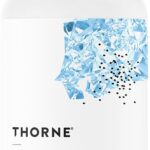
1. Thorne Zinc Picolinate 30mg — Best Overall
Thorne Zinc Picolinate 30mg is our top pick for testosterone support. Thorne is a trusted, NSF Certified for Sport brand, and their zinc picolinate delivers 30mg of highly bioavailable zinc per capsule — right in the sweet spot for therapeutic testosterone support. No unnecessary fillers, no artificial ingredients. If you want the best form in a clinically relevant dose from a premium brand, this is it.
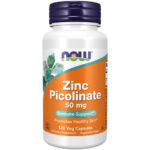
2. NOW Foods Zinc Picolinate 50mg — Best Value
NOW Foods Zinc Picolinate 50mg delivers an excellent dose of zinc picolinate at a lower price point. With 120 vegetarian capsules per bottle, you’re getting outstanding value. The 50mg dose is on the higher end, so some men may prefer taking one every other day or splitting capsules. NOW Foods is GMP-certified and one of the most reliable names in supplements.
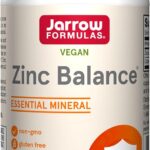
3. Jarrow Formulas Zinc Balance 15mg — Best for Daily Maintenance
Jarrow Formulas Zinc Balance 15mg uses zinc monomethionine (L-OptiZinc) and includes 1mg of copper to prevent the copper depletion that can occur with long-term zinc supplementation. At 15mg, it’s perfectly dosed for daily maintenance. This is ideal for men who eat a decent diet and just want to ensure their zinc levels stay optimized without overdoing it.
Frequently Asked Questions
Can zinc actually increase testosterone?
Yes — but with a critical caveat. Zinc supplementation is most effective at raising testosterone in men who are zinc-deficient or have suboptimal levels. If your zinc status is already optimal, adding more zinc won’t push your testosterone above your natural baseline. Think of it as removing a bottleneck rather than adding a turbocharger. That said, zinc deficiency is more common than you’d think — an estimated 12% of Americans and up to 40% of elderly adults don’t get enough zinc from diet alone.
How long does it take for zinc to affect testosterone?
Most studies showing significant testosterone increases used supplementation periods of 1–6 months. The Prasad study saw meaningful changes in elderly men after about 3 months. For younger men correcting a deficiency, some improvement in energy and libido may be noticeable within 4–8 weeks, though full hormonal optimization typically takes 3–6 months of consistent supplementation.
Can you take too much zinc?
Absolutely. Chronic zinc intake above 40mg/day (elemental) can cause copper deficiency, which leads to anemia, neurological issues, and ironically, immune suppression. High-dose zinc can also cause nausea, vomiting, and digestive distress. If you’re taking more than 25mg of zinc daily for an extended period, consider adding a small copper supplement (1–2mg) or choosing a product like Jarrow Zinc Balance that includes copper.
What foods are high in zinc?
Oysters are the undisputed champion (74mg per 3-ounce serving). Beef, crab, lobster, pork, chicken, and pumpkin seeds are also excellent sources. However, plant-based zinc sources (beans, nuts, whole grains) contain phytates that reduce absorption by up to 50%, which is why vegetarians and vegans are at higher risk for zinc deficiency and may benefit most from supplementation.
Should I take zinc with a testosterone booster?
Zinc pairs well with a comprehensive testosterone booster stack. Many T-boosters already contain zinc, so check labels to avoid doubling up. Zinc works synergistically with magnesium, vitamin D, and ashwagandha — all common ingredients in quality testosterone formulas. For a deeper dive into what actually works, check our guide on whether testosterone boosters actually work.
The Bottom Line
When it comes to the best form of zinc for testosterone, zinc picolinate takes the top spot based on absorption research. Zinc glycinate is an excellent alternative, especially if you have a sensitive stomach. Zinc monomethionine (OptiZinc) is a strong third choice with good tissue retention.
Avoid zinc oxide and zinc gluconate if testosterone support is your primary goal — you’re leaving absorption on the table.
For most men, 15–30mg of elemental zinc daily from a high-bioavailability form is the sweet spot. Pair it with a solid diet, the right vitamins, and consistent training, and you’re giving your body every advantage for healthy testosterone production.
Ready to optimize your zinc intake? Browse our full zinc supplement guide for detailed reviews and comparisons of every product in our catalog.