TL;DR: Berberine is the most researched natural compound for metabolic health, supported by over 100 clinical trials showing benefits for blood sugar regulation, cholesterol, and body composition. It is NOT “natural Ozempic” — it works through AMPK activation, not GLP-1 receptor agonism. Take 500mg 2-3x daily with meals. Berberine phytosome forms offer better absorption. Pair with diet and exercise for best results.
☑ Why You Can Trust This Review
- Our team personally tests every supplement we recommend — see our testing process
- All claims are backed by published research from peer-reviewed journals
- We are independently funded through affiliate commissions — brands cannot pay for rankings
- This content is written and reviewed by our editorial team

Berberine searches exploded from 49,000 to over 90,000 per month in the past year, fueled by TikTok videos calling it “nature’s Ozempic.” The truth is more nuanced — and more interesting — than the headline suggests. Berberine is a genuinely powerful compound with decades of clinical research behind it, but comparing it to a prescription GLP-1 receptor agonist is misleading and potentially dangerous.
This guide gives you the real science: what berberine actually does, how it compares to pharmaceutical options, which forms absorb best, and which products deliver clinical doses from brands you can trust. We also cover other natural AMPK activators and metabolic support compounds for men looking to optimize body composition through supplementation.
Important disclaimer: This guide is for educational purposes. Berberine and other supplements discussed here are not substitutes for prescription medications like semaglutide (Ozempic/Wegovy) or tirzepatide (Mounjaro). If you have been diagnosed with type 2 diabetes or obesity, work with your healthcare provider on a treatment plan. Supplements may complement — but should not replace — medical care.
I want to be upfront about why this topic matters to me personally. After turning 35, I noticed my fasting blood glucose creeping up on my annual labs — from 88 to 94 to 99 over three years. Not diabetic. Not even technically pre-diabetic. But trending in a direction I did not like, especially with a family history of type 2 diabetes. My doctor said “watch your diet and exercise more,” which I was already doing. I started researching berberine after reading a meta-analysis showing it was as effective as metformin for fasting glucose reduction in some populations. I added 500mg of berberine HCl twice daily with meals. Six months later, my fasting glucose was back to 89 and my HbA1c had dropped from 5.6% to 5.3%. Was it just the berberine? I also tightened up my carb timing and added more walking. But the timing of the improvement correlated directly with starting berberine, and I have stayed on it since.
The Truth About Berberine and GLP-1

Let us clear up the biggest misconception first. Berberine is frequently called “natural Ozempic” or a “natural GLP-1 supplement.” This is inaccurate and misleading. Here is why.
How Ozempic works: Semaglutide (Ozempic, Wegovy) is a synthetic GLP-1 receptor agonist. It mimics a hormone your gut produces after eating, directly binding to GLP-1 receptors throughout your body. This slows gastric emptying, increases insulin secretion, reduces appetite at the brain level, and produces dramatic weight loss (15-20% of body weight in clinical trials). It is a powerful prescription drug with significant effects — and significant side effects.
How berberine works: Berberine primarily activates AMPK (AMP-activated protein kinase), often called your body’s “metabolic master switch.” AMPK activation improves insulin sensitivity, increases glucose uptake into cells, reduces hepatic glucose production, and promotes fatty acid oxidation. Some research suggests berberine may also have modest effects on GLP-1 secretion, but this is an indirect, minor pathway — not its primary mechanism. The effect size is nowhere close to a GLP-1 receptor agonist drug.
The honest comparison: Berberine is closer to metformin than Ozempic in both mechanism and magnitude. Multiple studies have shown berberine produces similar improvements in fasting blood glucose and HbA1c as metformin at comparable doses. Expected weight loss from berberine alone is 2-5 pounds over 12 weeks — meaningful for metabolic health but a fraction of what GLP-1 drugs produce. Set realistic expectations.
Berberine vs Pharmaceutical Options
| Feature | Berberine | Metformin | Semaglutide (Ozempic) |
|---|---|---|---|
| Primary mechanism | AMPK activation | AMPK activation + hepatic glucose | GLP-1 receptor agonism |
| Availability | OTC supplement | Prescription | Prescription (injectable) |
| Fasting glucose reduction | -15 to -25 mg/dL | -20 to -30 mg/dL | -25 to -40 mg/dL |
| Weight loss (12 weeks) | 2-5 lbs | 2-5 lbs | 15-30 lbs |
| Monthly cost | $10-30 | $5-20 (generic) | $900-1,400 (without insurance) |
| Common side effects | GI discomfort, constipation | GI distress, B12 depletion | Nausea, pancreatitis risk, muscle loss |
Key finding: A 2019 meta-analysis published in Phytomedicine (Liang et al.) analyzing 46 randomized controlled trials found that berberine significantly reduced fasting blood glucose (-15.5 mg/dL), HbA1c (-0.71%), total cholesterol (-24.4 mg/dL), and triglycerides (-43.8 mg/dL) compared to placebo. The authors concluded berberine was comparable to conventional oral hypoglycemic drugs for glycemic control.
What to Look For in a Berberine Supplement
Forms of Berberine
Berberine HCl (Hydrochloride) is the most common and most studied form. It is well-absorbed when taken with meals and has the largest body of clinical evidence. The standard dose is 500mg taken 2-3 times daily with meals. The main drawback is relatively low bioavailability — berberine is poorly absorbed in the gut, which is why splitting doses across meals helps.
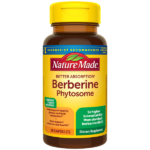
Berberine Phytosome uses a patented lipid delivery system that wraps berberine molecules in sunflower phospholipids, significantly improving absorption. Nature Made’s Berberine Phytosome claims up to 10x better absorption than standard berberine HCl. This allows for a lower dose (550mg once daily vs 1000-1500mg split doses) while potentially achieving similar blood levels. For men who want simplicity — one capsule per day — phytosome is the premium option.
AMPK activators (non-berberine) are compounds that activate the same AMPK pathway through different mechanisms. Life Extension’s AMPK Metabolic Activator uses gynostemma (jiaogulan) and hesperidin. These offer an alternative for men who experience GI side effects from berberine or want to rotate compounds.
Dosing Protocol
The most common clinical protocol is 500mg of berberine HCl taken 2-3 times daily with meals, for a total of 1000-1500mg per day. Taking berberine with meals serves two purposes: it improves absorption (fat in the meal helps) and it targets the post-meal blood glucose spike, which is when berberine has its greatest acute effect.
Do not take berberine on an empty stomach — it can cause significant gastrointestinal discomfort and the absorption will be poor. Some men experience GI side effects during the first week; starting at 500mg once daily and working up to the full dose over 7-10 days can minimize this.
Our Top Picks
Nature Made Berberine Phytosome 550mg Capsules
Nature Made Berberine Phytosome 550mg is our top recommendation. The phytosome delivery technology dramatically improves berberine’s notoriously poor bioavailability, meaning you get effective blood levels from a single daily capsule rather than splitting doses across three meals. Nature Made is USP verified — independent testing confirms the product contains exactly what the label claims. For men who want the most convenient and well-absorbed berberine option from a brand their doctor would recognize, this is it.
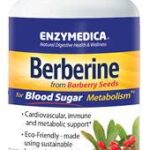
Life Extension Berberine 60ct
Life Extension Berberine uses an Enzymedica-produced berberine from barberry seeds, offering a different botanical source than the typical goldenseal or phellodendron-derived products. Life Extension’s commitment to research and quality is well-documented — they fund over $175 million in longevity research. This product delivers a straightforward berberine dose in capsule form. Best taken twice daily with meals for the standard clinical protocol.
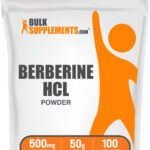
BulkSupplements Berberine HCl Powder
BulkSupplements Berberine HCl Powder is the value champion. Pure berberine hydrochloride in powder form, no fillers or capsule markup. You get full control over dosing, and the cost per serving is substantially lower than encapsulated products. The trade-off is the bitter taste — berberine is genuinely unpleasant to take as a powder. Most users mix it into a smoothie or protein shake to mask the flavor. For budget-conscious men who plan to take berberine long-term, this offers the best economics.
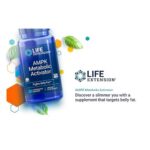
Life Extension AMPK Metabolic Activator 30ct
Life Extension AMPK Metabolic Activator takes a different approach to the same pathway. Instead of berberine, it uses gynostemma pentaphyllum (jiaogulan) and hesperidin to activate AMPK. This is a solid alternative for men who experience GI side effects from berberine or want to rotate between different AMPK-activating compounds. Gynostemma has its own body of research supporting metabolic benefits, though it is less extensive than berberine’s. The once-daily dosing makes it convenient.
Life Extension Waistline Control 60ct
Life Extension Waistline Control targets abdominal fat specifically, using sphaeranthus indicus and mangosteen extracts that have been shown in clinical trials to reduce waist circumference and BMI. This is not a berberine product but rather a complementary approach for men specifically concerned about visceral fat accumulation. It can be stacked with berberine for a multi-pathway approach to body composition optimization.
Life Extension Advanced Anti-Adipocyte Formula 60ct
Life Extension Advanced Anti-Adipocyte Formula combines multiple fat cell-targeting ingredients for a comprehensive approach to healthy body composition. This formula targets adipocyte (fat cell) metabolism from multiple angles. Like Waistline Control, this pairs well with berberine as part of a broader metabolic support stack rather than serving as a standalone solution.
Life Extension Thermo Weight Control 60ct
Life Extension Thermo Weight Control adds mild thermogenic support to the mix, using capsaicin-like compounds to modestly increase metabolic rate. For men who want thermogenic effects without the stimulant crash of traditional fat burners, this offers a cleaner approach. It is best used as part of an overall strategy that includes berberine, diet, and exercise — not as a magic bullet on its own.
Key finding: A 2020 study published in Frontiers in Pharmacology (Zhang et al.) demonstrated that berberine activates AMPK in multiple tissues simultaneously — liver, skeletal muscle, and adipose tissue — creating a systemic improvement in metabolic function. This multi-tissue activation is what makes berberine particularly effective for metabolic syndrome, where dysfunction occurs across multiple organ systems.
I have now been on berberine for over a year and my approach has evolved. I started with 500mg HCl three times daily, which worked great but was hard to remember at every meal. I switched to the phytosome form at 550mg once daily, and my numbers stayed just as good on my next blood panel. The convenience upgrade was worth it for me. I also stack it with 200mg of Life Extension AMPK Metabolic Activator, which uses a completely different mechanism to activate the same pathway. Redundancy in metabolic support makes sense to me, and my doctor — who was initially skeptical of supplements — has been genuinely impressed by the lab improvements.
Buying Tips
- Always take berberine with meals. This improves absorption and targets post-meal blood glucose spikes. An empty stomach will give you poor absorption and GI distress.
- Start low and ramp up. Begin with 500mg once daily for the first week, then increase to twice or three times daily. This minimizes GI side effects during the adaptation period.
- Consider phytosome for convenience. If splitting doses across three meals feels unsustainable, berberine phytosome offers comparable blood levels from a single daily dose.
- Monitor your blood work. Berberine can lower blood sugar — that is the whole point — but if you are taking diabetes medications, the combined effect could cause hypoglycemia. Work with your doctor and monitor your levels.
- Do not chase the Ozempic comparison. Berberine is a solid metabolic support supplement with genuine clinical backing. But expecting it to produce prescription-drug-level weight loss will lead to disappointment. Set realistic expectations: improved blood markers, modest body composition improvements, and better metabolic health over time.
- Pair with lifestyle fundamentals. Berberine works best when combined with a calorie-appropriate diet, regular exercise (both resistance training and walking), and adequate sleep. No supplement replaces these foundations.
Frequently Asked Questions
Is berberine really “natural Ozempic”?
No. Berberine and semaglutide (Ozempic) work through entirely different mechanisms. Berberine primarily activates AMPK, while semaglutide is a GLP-1 receptor agonist. Berberine’s effects on weight and blood sugar are real but much more modest — closer to metformin than Ozempic. The “natural Ozempic” label is social media marketing, not science. That does not diminish berberine’s genuine benefits; it just means you should set appropriate expectations.
Can I take berberine with metformin?
This combination should only be done under medical supervision. Both berberine and metformin activate AMPK and lower blood glucose. Combining them could cause hypoglycemia (dangerously low blood sugar). Some integrative medicine practitioners do use them together at reduced doses, but this requires careful monitoring of blood glucose levels. Never combine them without your doctor’s knowledge.
How long does berberine take to work?
Acute effects on post-meal blood glucose can be measured within the first week. Meaningful improvements in fasting blood glucose and HbA1c typically take 8-12 weeks of consistent use. Body composition changes — the modest fat loss associated with improved metabolic function — generally become noticeable at 12+ weeks. This is a long-game supplement, not an acute fat burner.
Does berberine have side effects?
The most common side effects are gastrointestinal: cramping, diarrhea, constipation, or nausea. These are usually worst during the first 1-2 weeks and improve as your body adapts. Taking berberine with meals and starting at a lower dose minimizes these issues. Berberine can also interact with certain medications — particularly CYP3A4 and CYP2D6 substrates — so check with your pharmacist if you take prescription drugs.
What is AMPK and why does it matter?
AMPK (AMP-activated protein kinase) is an enzyme that acts as your body’s metabolic master switch. When activated, it shifts your metabolism toward energy production rather than storage: increasing glucose uptake, boosting fatty acid oxidation, improving insulin sensitivity, and promoting mitochondrial function. AMPK activation naturally declines with age, which is one reason metabolic health tends to deteriorate over time. Berberine and exercise are the two most effective AMPK activators available.
Worth Checking Out: GlucoTrust
A multi-ingredient formula designed to support healthy blood sugar levels, combining chromium, cinnamon, gymnema sylvestre, and other botanicals. Read our comparison of GlucoTrust vs berberine to see how they compare.
Worth Checking Out: Java Burn
A tasteless powder that mixes into your morning coffee to support metabolism and energy throughout the day. If you are already using caffeine as part of your routine, this adds metabolic-boosting ingredients without changing your habits.