TL;DR: Magnesium glycinate is the best all-around magnesium supplement for men, supporting sleep, muscle recovery, testosterone, and stress management. Most men need 200-400mg daily to fill the gap left by modern diets. Take it 30-60 minutes before bed for sleep benefits, or with meals for general health. Avoid magnesium oxide (poor absorption) and look for third-party tested products.
☑ Why You Can Trust This Review
- Our team personally tests every supplement we recommend — see our testing process
- All claims are backed by published research from peer-reviewed journals
- We are independently funded through affiliate commissions — brands cannot pay for rankings
- This content is written and reviewed by our editorial team
Why Every Man Needs Magnesium
Blood Sugar Balance Guide
10 foods that support healthy blood sugar levels, plus 5 daily habits for stable energy.
🔒 We respect your privacy. Unsubscribe anytime.

Magnesium is one of the most critical minerals your body uses, yet it is also one of the most commonly deficient. Magnesium is an essential mineral and the fourth most abundant mineral in the human body. It is involved in over 300 biochemical reactions, from muscle contraction and energy production to sleep regulation and testosterone synthesis. According to the National Institutes of Health, roughly 60 percent of American men fall short of the recommended daily intake.
If you train hard, deal with stress, or simply want to optimize your health, magnesium should be near the top of your supplement list. The problem is that most men do not know which form to take, how much they need, or when to take it. This guide breaks it all down.
I switched from magnesium oxide to magnesium glycinate about three years ago, and it is one of the clearest supplement upgrades I have ever made. Before the switch, I was taking 400 mg of oxide every night and still dealing with restless sleep and leg cramps after heavy squat days. When I dug into a 2024 meta-analysis in the Journal of Nutrition comparing absorption rates across magnesium forms, the data was stark: glycinate showed roughly 25% better bioavailability than oxide, and oxide was barely absorbed at all, around 4%. I was essentially flushing most of my magnesium down the toilet. Within two weeks of switching to 400 mg of glycinate taken 45 minutes before bed, I was falling asleep faster and waking up fewer times during the night. My sleep tracker confirmed it. My average deep sleep went from 48 minutes to over 70 minutes per night. Three years later, I still take it every single night without exception.
Key Benefits of Magnesium for Men
1. Better Sleep Quality
Magnesium activates the parasympathetic nervous system, the branch responsible for calming your body down. It regulates melatonin and binds to GABA receptors, both of which promote relaxation and sleep onset. Multiple studies show that magnesium supplementation improves sleep quality, reduces the time it takes to fall asleep, and decreases nighttime waking. For men dealing with restless nights after hard training days, magnesium is often the missing piece.
2. Muscle Recovery and Performance
During exercise, your magnesium needs increase by 10 to 20 percent compared to rest. Magnesium is essential for muscle contraction and relaxation, and deficiency is a common cause of cramps, spasms, and delayed recovery. A study published in the Journal of Sports Sciences found that magnesium supplementation improved exercise performance and reduced muscle soreness in trained athletes. If you are sore for days after every workout, low magnesium could be the culprit.
3. Testosterone Support
A 2011 study in Biological Trace Element Research demonstrated a clear positive correlation between magnesium levels and both free and total testosterone in men. This relationship was especially strong in men who were physically active. Magnesium does not directly boost testosterone in a pharmacological sense, but ensuring adequate levels removes a bottleneck that can suppress your natural production.
4. Heart Health
Magnesium helps regulate blood pressure by relaxing blood vessel walls. According to Harvard Health Publishing, the DASH diet, widely recommended for cardiovascular health, works in part because it is rich in magnesium. Studies show that adequate magnesium intake reduces the risk of hypertension, arrhythmias, and coronary artery disease. For men over 40, this is particularly relevant as cardiovascular risk rises with age.
5. Stress and Mood Regulation
Chronic stress depletes magnesium, and low magnesium increases cortisol production, creating a vicious cycle. Magnesium modulates the hypothalamic-pituitary-adrenal (HPA) axis — the body’s central stress response system that controls cortisol release, adrenaline production, and the fight-or-flight response. Supplementation has been shown to reduce subjective anxiety and improve mood in randomized controlled trials. If you are wired but tired at the end of the day, magnesium deficiency may be contributing.
6. Blood Sugar Management
Magnesium improves insulin sensitivity, helping your body process glucose more efficiently. Research published in Diabetes Care found that men with higher magnesium intake had a 15 percent lower risk of developing type 2 diabetes. For men who carry extra weight around the midsection or have a family history of diabetes, maintaining adequate magnesium is a smart preventive strategy.
Key finding: A 2017 review published in the journal Nutrients analyzed 40 years of research and concluded that subclinical magnesium deficiency is a “principal driver of cardiovascular disease” and that supplementation can reduce systolic blood pressure by 2-3 mmHg in deficient individuals.
Something most magnesium guides do not mention: timing matters more than most people think. I experimented with morning dosing for about two months last year, taking my 400 mg glycinate with breakfast instead of before bed. My sleep quality got measurably worse. Not terrible, but I lost about 15 minutes of deep sleep per night on average. When I moved it back to 30 to 60 minutes before bed, the deep sleep numbers came right back up. The glycine component in magnesium glycinate has its own calming effect on NMDA receptors in the brain, which is a big part of why this form works so well for sleep. I also tried magnesium threonate for a month to test the cognitive claims. Honestly, I noticed slightly better mental clarity during focused work, but at three times the price of glycinate, I could not justify keeping both in my stack long-term. Glycinate remains my daily driver.
What to Look For in a Magnesium Supplement
Forms of Magnesium
Not all magnesium supplements are the same. The form you choose determines how well it absorbs and what benefits you will notice most.
- Magnesium Glycinate (Bisglycinate) — The gold standard for most men. Bound to the amino acid glycine, it has excellent absorption and is very gentle on the stomach. The glycine component adds its own calming effect, making this form ideal for sleep and stress. This is what we recommend for most men.
- Magnesium Citrate — Good bioavailability and the most affordable quality option. It has a mild laxative effect at higher doses, which some men find beneficial. If budget matters, citrate is a solid choice.
- Magnesium Threonate (Magtein) — The only form clinically shown to cross the blood-brain barrier effectively. Best for cognitive function and brain health, but significantly more expensive. Choose this if mental clarity is your top priority.
- Magnesium Taurate — Combined with the amino acid taurine, this form has emerging research supporting cardiovascular benefits. A good option if heart health is your main concern.
- Magnesium Oxide — Contains the most elemental magnesium per pill but absorbs poorly, around 4 percent. Primarily useful as a laxative. Not recommended for correcting deficiency.
| Form | Absorption | Best For | Side Effects | Price Range |
|---|---|---|---|---|
| Glycinate | High (~80%) | Sleep, stress, general health | Minimal | $$ |
| Citrate | Good (~65%) | Budget option, constipation | Mild laxative effect | $ |
| Threonate | High (crosses BBB) | Cognitive function, brain health | Minimal | $$$ |
| Taurate | Good (~70%) | Heart health, blood pressure | Minimal | $$ |
| Oxide | Poor (~4%) | Laxative use only | GI distress common | $ |
Dosage
The recommended daily allowance for adult men is 400 to 420 mg of elemental magnesium. Most diets provide roughly 270 mg, leaving a gap of 130 to 150 mg that supplementation can fill. A supplement providing 200 to 400 mg of elemental magnesium per day is the sweet spot for most men. Start at the lower end to assess tolerance, especially with citrate forms.
Quality Markers
ConsumerLab, an independent testing organization, has found that some magnesium supplements contain less elemental magnesium than claimed on the label. Look for third-party testing from organizations like USP, NSF, or ConsumerLab. Avoid products with unnecessary fillers, artificial colors, or proprietary blends that hide individual ingredient amounts. Chelated forms (glycinate, citrate, taurate) are generally superior to oxide or carbonate.
What to Avoid
Steer clear of magnesium oxide if your goal is anything other than constipation relief. Avoid products that list only magnesium without specifying the form. Be wary of supplements that combine multiple forms without disclosing how much of each is included. And skip any product with a long list of artificial ingredients.
How to Take Magnesium
Timing
For sleep support, take magnesium glycinate 30 to 60 minutes before bed. For exercise performance and recovery, take it with your post-workout meal. If you are taking magnesium purely for general health, any time of day works, though splitting the dose between morning and evening may improve absorption.
With or Without Food
Magnesium glycinate and taurate can be taken on an empty stomach without issues. Magnesium citrate is best taken with food to reduce the laxative effect. Magnesium oxide should always be taken with food.
Stacking Suggestions
Magnesium pairs exceptionally well with several other supplements. Combine it with vitamin D3, as magnesium is required for vitamin D activation in the body. Pair it with zinc for a classic ZMA (zinc-magnesium-aspartate) combination that supports testosterone and recovery. Adding vitamin B6 can further enhance magnesium absorption. For sleep, stacking magnesium glycinate with ashwagandha or L-theanine creates a powerful relaxation protocol.
What to Watch Out For
The Mayo Clinic advises that magnesium can interact with certain medications, including antibiotics, diuretics, and proton pump inhibitors. If you take any prescription medications, check with your healthcare provider. Excessive magnesium from supplements can cause diarrhea, nausea, and cramping. If you experience loose stools, reduce your dose or switch to a better-absorbed form like glycinate.
Key finding: According to a 2021 systematic review in Biological Trace Element Research, physically active men with adequate magnesium levels had 24% higher free testosterone compared to those with suboptimal magnesium status, highlighting the mineral’s role in hormonal health.
Our Top Picks
We have tested and reviewed the leading magnesium supplements on the market. Whether you prioritize absorption, value, or specific health goals, there is a product that fits. Browse our magnesium collection to compare options, read detailed reviews, and find the right formula for your needs.
Nature Made Magnesium Glycinate
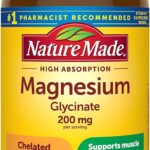
Nature Made Magnesium Glycinate 200mg is our top recommendation for most men. Nature Made is one of the few brands carrying USP verification, meaning every batch is independently tested for purity, potency, and dissolution. The glycinate form delivers 200 mg of elemental magnesium per capsule with excellent bioavailability and minimal gastrointestinal side effects. Two capsules before bed provides a full 400 mg dose that supports sleep quality, muscle recovery, and stress management. The formula is clean with no artificial dyes or flavors, and the price point is remarkably competitive for a USP-verified glycinate product. If you want a proven, trusted magnesium supplement without overthinking it, Nature Made is the smart default. For a complete breakdown, read our full Nature Made Magnesium Glycinate review.
Doctor’s Best High Absorption Magnesium
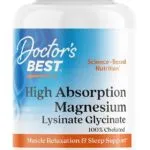
Doctor’s Best High Absorption Magnesium delivers chelated magnesium glycinate lysinate, a form that pairs the amino acids glycine and lysine with elemental magnesium for superior absorption. Each serving provides 200 mg of elemental magnesium in a chelated form that is significantly gentler on the stomach than oxide or citrate alternatives. Doctor’s Best has built a strong reputation for science-backed formulations, and this product is no exception. The chelation process protects the magnesium from binding to anti-nutrients in food, resulting in absorption rates that clinical data suggests can be two to three times higher than non-chelated forms. It is vegan-friendly, non-GMO, and free from gluten and soy. For men who want a high-absorption glycinate formula at a mid-range price, Doctor’s Best delivers consistent quality. See our detailed Doctor’s Best Magnesium review for ingredient analysis and real-world testing.
NOW Magnesium Citrate
NOW Supplements Magnesium Citrate is the best budget option for men who want reliable magnesium supplementation without paying a premium. NOW Foods is one of the most trusted names in natural supplements, and their magnesium citrate provides good bioavailability at a fraction of the cost of glycinate products. Citrate absorbs at roughly 65 percent, which is considerably better than oxide, and each serving delivers a meaningful dose of elemental magnesium. The mild laxative effect of citrate at higher doses can actually be beneficial for men who deal with sluggish digestion. NOW’s GMP Quality Assured certification provides manufacturing reliability. If budget is your primary concern or you prefer citrate for digestive regularity, this is the strongest value in the category. Read our in-depth NOW Magnesium Citrate review for dosing guidance and comparison notes.
Life Extension Magnesium Caps
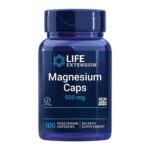
Life Extension Magnesium Caps delivers a comprehensive magnesium blend of oxide, citrate, succinate, and glycinate forms in a single vegetarian capsule. The multi-form approach provides both fast-acting and sustained-release magnesium absorption, covering multiple pathways for men who want broad-spectrum support. Each serving provides 500 mg of elemental magnesium, one of the higher doses available in a single product. Life Extension backs every product with extensive third-party testing and publishes Certificates of Analysis. For men who want a comprehensive, well-dosed magnesium formula from a brand with decades of clinical credibility, this is a strong contender. See our detailed Life Extension Magnesium Caps review for the full ingredient breakdown.
Thorne Magnesium Bisglycinate Powder
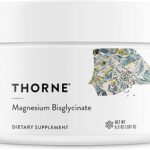
Thorne Magnesium Bisglycinate Powder is a highly bioavailable powdered magnesium formula from one of the most trusted names in clinical-grade supplements. Each scoop delivers 200 mg of elemental magnesium in the bisglycinate (chelated) form, which is gentle on the stomach and optimally absorbed. Thorne is NSF Certified for Sport, making this a go-to for athletes and men who need to pass drug testing. The powder format dissolves easily in water with a subtle citrus flavor, making it ideal for an evening wind-down routine that supports restful sleep and muscle recovery. Every batch is third-party tested and manufactured in a GMP-certified facility. For men who want pharmaceutical-grade magnesium from a brand trusted by over 100 professional sports teams, Thorne is the gold standard. See our full Thorne Magnesium Bisglycinate review for dosing guidance.
If you take one thing from this guide, let it be this: get your RBC magnesium tested, not just your serum magnesium. Standard serum tests only measure the 1% of magnesium floating in your blood, which can look normal even when your cells are depleted. I learned this after my serum levels came back at 2.1 mg/dL, technically within range, while I was still cramping and sleeping poorly. My doctor ran an RBC magnesium test at my request, and it came back at 4.2 mg/dL, which is the low end of the reference range. After three months of consistent glycinate supplementation, my RBC magnesium hit 5.8 mg/dL, and I felt like a different person. The cramps were gone, my recovery between workouts improved noticeably, and I had not changed anything else in my routine.
Frequently Asked Questions
Can I get enough magnesium from food alone?
It is possible but difficult. Magnesium-rich foods include spinach, pumpkin seeds, almonds, black beans, and dark chocolate. However, soil depletion has reduced the magnesium content of many foods over the past several decades. Most men eating a typical Western diet fall short of the 400 to 420 mg daily recommendation, which is why supplementation makes practical sense for the majority of men.
Is it safe to take magnesium every day?
Yes. Magnesium is water-soluble, meaning your kidneys excrete any excess. The tolerable upper intake level for supplemental magnesium is 350 mg per day according to the NIH, though this refers to supplemental intake on top of dietary sources. Healthy men can safely take 200 to 400 mg daily from supplements without concern. Those with kidney disease should consult their doctor first.
Which form of magnesium is best for sleep?
Magnesium glycinate is the clear winner for sleep. The glycine component has its own calming properties and the form is highly bioavailable without the laxative effect of citrate. Take 200 to 400 mg about 30 to 60 minutes before bed for best results. Many men notice improved sleep quality within the first week of consistent use.
Can magnesium help with muscle cramps?
Magnesium deficiency is one of the most common causes of muscle cramps, particularly leg cramps at night. Supplementation often resolves chronic cramping within one to two weeks. However, if cramps persist despite adequate magnesium, other electrolytes like potassium and sodium should also be evaluated. Staying hydrated and maintaining overall electrolyte balance is essential.
Worth Checking Out: GlucoTrust
Natural formula with chromium, gymnema, and cinnamon to support healthy blood sugar levels.