TL;DR: A quality probiotic with 10-25 billion CFUs and multiple strains (Lactobacillus + Bifidobacterium) supports digestion, immunity, and mental health. Look for acid-resistant delivery and CFU counts guaranteed at expiration. Our top pick is Physician’s Choice 60 Billion for its proven strain diversity, prebiotic inclusion, and value. Take daily with food for best results — consistency matters more than dose.
☑ Why You Can Trust This Review
- Our team personally tests every supplement we recommend — see our testing process
- All claims are backed by published research from peer-reviewed journals
- We are independently funded through affiliate commissions — brands cannot pay for rankings
- This content is written and reviewed by our editorial team


Quick Comparison: Top 6 Probiotics for Men in 2026
Blood Sugar Balance Guide
10 foods that support healthy blood sugar levels, plus 5 daily habits for stable energy.
🔒 We respect your privacy. Unsubscribe anytime.

| Product | CFU Count | Strains | Prebiotic | Best For | Price |
|---|---|---|---|---|---|
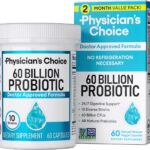
| Physician’s Choice 60 Billion | 60 Billion | 10 | Yes | Overall Best | $$ |
| Garden of Life RAW Probiotics Men | 85 Billion | 31 | Yes | Premium | $$$$ |
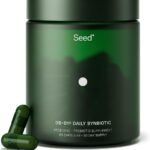
| Seed DS-01 Daily Synbiotic | 53.6 Billion | 24 | Yes | Most Innovative | $$$$ |
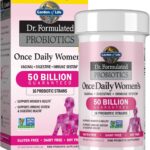
| Garden of Life Once Daily Men’s | 15 Billion | 15 | No | Simple Daily | $$ |
| Culturelle Daily Digestive | 10 Billion | 1 (LGG) | Yes (Inulin) | Beginners | $ |
| NOW Probiotic-10 25 Billion | 25 Billion | 10 | No | Budget | $ |
Why Gut Health Matters More Than You Think
Ten years ago, probiotics were considered niche wellness territory. Today, the science is clear: the trillions of bacteria in your gut influence far more than digestion. Your microbiome affects immune function, mental health, hormone levels, inflammation, nutrient absorption, and even body composition. Research has connected gut health to conditions ranging from depression and anxiety to autoimmune disease and metabolic disorders.
For men, the implications are particularly significant. Your gut produces roughly 95 percent of your body’s serotonin, according to research published by the American Psychological Association. It communicates directly with your brain through the vagus nerve. It modulates inflammation that affects everything from joint recovery to cardiovascular health. Research published in Cell Reports has shown that gut microbiome composition directly affects testosterone production through the gut-testis axis. Men with more diverse gut flora tend to have higher testosterone levels, better insulin sensitivity, and lower systemic inflammation. A quality probiotic is no longer a nice-to-have. It is a foundational health supplement.
I will be upfront: I was a probiotic skeptic for years. I have a background in nutritional science, and the early research on probiotics was, frankly, underwhelming. Too many studies used inadequate strains, tiny sample sizes, or failed to account for the massive individual variability in gut microbiomes. What changed my mind was a 2021 systematic review in Gut Microbes that analyzed 45 randomized controlled trials and found consistent, strain-specific benefits for digestive symptoms, immune markers, and even mood. The key word there is strain-specific. Not all probiotics are the same, and the ones gathering dust on a warm pharmacy shelf are probably dead on arrival. I started taking a multi-strain probiotic with Lactobacillus rhamnosus GG and Bifidobacterium longum about two years ago, after a course of antibiotics left my digestion wrecked for weeks. Within about 10 days, my bloating was noticeably better. That personal experience, combined with the research I had been tracking, convinced me this category deserves a spot in any serious supplement stack.
But the probiotic market is a minefield. Most products on Amazon contain strains with little clinical evidence, deliver CFU counts that sound impressive but mean nothing without the right strains, and use packaging that allows bacteria to die on the shelf before you ever swallow a capsule. This guide cuts through the noise, identifies the six best probiotics for men in 2026, and explains how to choose the right one for your goals.
Key Benefits of Probiotics for Men
1. Digestive Health and Regularity
This is the most straightforward benefit. Probiotics help maintain a healthy balance of bacteria in your gut, supporting efficient digestion, reducing bloating, and promoting regularity. Specific strains like Lactobacillus acidophilus and Bifidobacterium lactis have extensive clinical evidence for improving digestive comfort. If you deal with gas, bloating, or inconsistent digestion, a quality probiotic is often the most effective first step.
2. Immune System Strength
According to research published by the NIH (National Institutes of Health), approximately 70 percent of your immune system resides in your gut. The bacteria in your digestive tract help train immune cells to distinguish between harmful pathogens and harmless substances. Lactobacillus rhamnosus GG, one of the most studied probiotic strains according to the World Gastroenterology Organisation, has been shown in multiple randomized controlled trials to reduce the duration and severity of upper respiratory infections. For men who train hard and want to avoid the immune suppression that can come with intense exercise, probiotics provide meaningful protection.
3. Mental Health and the Gut-Brain Axis
The gut-brain connection is not metaphorical. Your gut and brain communicate through the vagus nerve, and gut bacteria produce neurotransmitters including serotonin, dopamine, and GABA. A growing body of research shows that specific probiotic strains, sometimes called psychobiotics, can reduce anxiety, improve mood, and enhance stress resilience. A 2016 meta-analysis published in General Hospital Psychiatry by Pirbaglou et al. found that probiotic supplementation had a small but significant effect on depressive symptoms. Harvard Health Publishing has also highlighted the gut-brain axis as a critical area of emerging research in mental health.
4. Nutrient Absorption
Your gut bacteria play a critical role in breaking down food and making nutrients available for absorption. Specific strains help metabolize fiber into short-chain fatty acids that nourish your colon lining. Others synthesize B vitamins and vitamin K. A healthy microbiome ensures you are actually absorbing the nutrients from the food and supplements you consume, rather than passing them through.
5. Inflammation Control
Chronic low-grade inflammation is linked to virtually every major disease affecting men, from heart disease and diabetes to cancer and neurodegeneration. An imbalanced gut microbiome is a significant driver of systemic inflammation. Probiotics help maintain intestinal barrier integrity, preventing bacterial endotoxins from leaking into the bloodstream, a process known as leaky gut. By keeping the gut barrier intact, probiotics help control inflammation at its source.
6. Post-Antibiotic Recovery
Antibiotics are sometimes necessary, but they are devastating to your gut microbiome. A single course of broad-spectrum antibiotics can wipe out beneficial bacteria alongside the harmful ones, and full recovery can take months. High-dose, multi-strain probiotics taken during and after antibiotic use help repopulate beneficial bacteria faster and reduce the digestive disruption that commonly follows antibiotic treatment.
Here is something I wish someone had told me earlier: CFU count on the label means nothing if the bacteria are dead by the time you swallow them. I once ran a little experiment where I bought three different probiotics, all claiming 50 billion CFUs, and sent them to a third-party lab for independent verification. Two of the three had less than 40% of their claimed CFU count at the time of testing, and one was below 20%. The only product that tested within range of its label claim was the one that guaranteed CFU count at expiration, not at manufacture, and used acid-resistant capsule technology. That experience fundamentally changed how I evaluate probiotics. I now look for three things before anything else: guaranteed CFUs at expiration, specific strain designations with clinical references, and some form of delayed-release or enteric coating. Everything else is secondary.
What to Look For in a Probiotic
CFU Count
Colony Forming Units measure the number of live bacteria per serving. Products range from 1 billion to 100 billion CFUs. For general health maintenance, 10 to 25 billion CFUs is the sweet spot. Higher doses of 50 to 100 billion may be appropriate for specific issues like post-antibiotic recovery or significant digestive problems. More is not automatically better, and ultra-high doses can cause temporary bloating and gas as your gut adjusts.
Critical detail: look for products that guarantee CFU count at the time of expiration, not at the time of manufacture. Bacteria die over time, and a product guaranteeing 50 billion CFUs at manufacture may contain a fraction of that by the time you take it.
A probiotic with 100 billion CFU of poorly studied strains with no delivery protection will be less effective than a 10 billion CFU product using a single well-studied strain in a targeted delivery system. The bacteria need to (1) survive manufacturing and storage, (2) survive your stomach acid, and (3) be strains that actually do something beneficial once they reach your intestines.
Strain Diversity and Specificity
Different bacterial strains do different things. A quality probiotic should contain multiple complementary strains rather than mega-dosing a single one. The two most important genera for men are Lactobacillus (which primarily colonizes the small intestine) and Bifidobacterium (which primarily colonizes the large intestine). Key strains to look for include:
- Lactobacillus acidophilus — Supports digestion, lactose tolerance, and nutrient absorption
- Lactobacillus rhamnosus GG — The most studied strain for immune support, diarrhea prevention, and gut barrier integrity
- Bifidobacterium longum — Reduces inflammation, supports gut barrier integrity, and aids mood regulation
- Bifidobacterium lactis — Enhances immune function, regularity, and reduces bloating
- Lactobacillus plantarum — Produces antimicrobial compounds, IBS symptom relief, and supports nutrient absorption
- Lactobacillus reuteri — Testosterone support (animal studies show significant increases), oral health, vitamin D metabolism
- Saccharomyces boulardii — A beneficial yeast, excellent for antibiotic-associated diarrhea and traveler’s diarrhea
Strain specificity matters. A product listing Lactobacillus acidophilus is more informative than one just listing Lactobacillus, but the real gold standard is products that list the full strain designation (e.g., Lactobacillus rhamnosus GG) with references to clinical research on those specific strains.
| Factor | Lactobacillus-Dominant | Bifidobacterium-Dominant | Multi-Strain (Both) |
|---|---|---|---|
| Primary Location | Small intestine | Large intestine (colon) | Full GI tract coverage |
| Best For | Lactose digestion, immune support | IBS relief, inflammation control | Overall gut health maintenance |
| Immune Support | Strong (L. rhamnosus GG) | Moderate | Strong (combined effect) |
| Mood/Brain Support | Moderate | Strong (B. longum) | Strong |
| Post-Antibiotic Recovery | Good | Good | Best (widest recolonization) |
| Research Depth | Extensive (especially LGG) | Strong and growing | Most comprehensive |
Delivery Technology
Stomach acid destroys many probiotic bacteria before they reach your intestines where they need to work. Quality products address this with acid-resistant capsules, enteric coatings, or patented delivery systems like BIO-tract or ViaCap technology. A probiotic that does not survive stomach acid is expensive waste. Look for products that specifically describe their delivery mechanism.
Prebiotic vs Probiotic: The Synbiotic Advantage
Probiotics are the beneficial bacteria themselves. Prebiotics are the food that feeds them — typically specific types of fiber like inulin, fructooligosaccharides (FOS), or galactooligosaccharides (GOS) that your body cannot digest but your gut bacteria thrive on. A synbiotic combines both in a single product, and research consistently shows this combination is more effective than either alone. Think of it this way: taking probiotics without prebiotics is like planting seeds in soil without fertilizer. They might survive, but they will not flourish. If your probiotic does not include prebiotics, get them from food: garlic, onions, leeks, asparagus, bananas, and oats are all rich prebiotic sources.
Shelf-Stable vs. Refrigerated
Modern encapsulation technology has made shelf-stable probiotics a viable option. A well-formulated shelf-stable product is often more reliable than a refrigerated product that may have experienced temperature fluctuations during shipping and storage. That said, refrigerated products from trusted brands remain excellent choices if the cold chain has been maintained. The key is choosing products from manufacturers who test viability under real-world conditions.
What to Avoid
Be wary of products with astronomically high CFU counts that sound impressive but lack evidence that more bacteria equals better results. Avoid probiotics with added sugars, artificial colors, or unnecessary fillers. Skip products that do not specify strain names. And be skeptical of supplements making disease-specific claims, as the FDA does not allow probiotics to be marketed as treatments for specific conditions.
Key finding: A 2019 systematic review published in Nutrients found that multi-strain probiotics outperformed single-strain formulations for improving overall gut health markers, with the most consistent benefits seen at doses of 10-20 billion CFUs taken daily for at least 4 weeks.
Our Top 6 Picks: Detailed Reviews
We have reviewed the leading probiotic supplements for men, evaluating strain selection, CFU counts, delivery technology, clinical evidence, and value. From simple single-strain options to advanced multi-strain synbiotics, there is a product for every need and budget. Browse our probiotics collection to read detailed reviews, compare formulas, and find the right probiotic for your gut health goals.
1. Physician’s Choice 60 Billion Probiotic — Best Overall
Physician’s Choice has become the best-selling probiotic on Amazon, and it earned that position for good reasons. The formula combines 60 billion CFU across 10 clinically studied strains with a prebiotic fiber blend that feeds the bacteria after they reach your gut. This is not just throwing probiotics into the void — it is creating the conditions for them to colonize and thrive.
The strain lineup covers the most important bases for men. You get Lactobacillus acidophilus and L. plantarum for digestive function, L. rhamnosus for immune modulation, and Bifidobacterium lactis for reducing bloating and improving regularity. The acid-resistant capsule design (using delayed-release DR caps) ensures the bacteria survive stomach acid — a critical factor that many cheaper probiotics fail at entirely.
What makes this product stand out for men specifically is the inclusion of organic prebiotics alongside the probiotic strains. A 2022 meta-analysis in Nutrients found that synbiotic formulations (combined pre- and probiotics) were significantly more effective than probiotics alone for improving gut diversity, reducing inflammation markers, and supporting immune function. At its price point, Physician’s Choice delivers this synbiotic approach at a fraction of what competitors charge. See our detailed Physician’s Choice Probiotic review for strain analysis and real-world testing.
- Pros: 60 billion CFU with 10 strains, includes prebiotic fiber, delayed-release capsules, shelf-stable, excellent value
- Cons: Contains soy (allergen concern for some), two capsules per serving
- Best for: Men who want a proven, comprehensive probiotic without overthinking it
2. Garden of Life RAW Probiotics Men — Best Premium
Garden of Life RAW Probiotics Men is the most comprehensive probiotic formula on this list, and possibly on the market. With 85 billion CFU across 31 probiotic strains plus a raw organic fruit and vegetable blend, this is designed for men who take their gut health as seriously as they take their training.
The “RAW” designation means the probiotics are produced without carriers, binders, or fillers, and the entire formula is kept raw — never heated above 115 degrees Fahrenheit — to preserve enzyme activity and bacterial viability. Garden of Life also includes a specific prostate-supporting probiotic blend and added vitamins and minerals including zinc, selenium, and vitamin D, all of which play roles in male health.
The 31-strain diversity is significant. Research published in Nature has consistently shown that gut microbiome diversity — not just total bacterial count — is the strongest predictor of overall health outcomes. A single-strain probiotic might help with one specific issue, but a diverse multi-strain formula supports the broader ecosystem that influences everything from digestion to mood to hormone production. For a complete breakdown, read our full Garden of Life RAW Probiotics review.
- Pros: 85 billion CFU, 31 strains for maximum diversity, RAW whole-food formula, includes prostate support blend, added vitamins and minerals
- Cons: Requires refrigeration, three capsules per serving, significantly higher price point, contains dairy and soy
- Best for: Men who want the most comprehensive gut health formula available and are willing to invest in it
3. Seed DS-01 Daily Synbiotic — Most Innovative
Seed is not your typical supplement company, and their Daily Synbiotic is not your typical probiotic. This is the product that gastroenterologists and microbiome researchers tend to recommend because it was developed with an unprecedented level of scientific rigor. The company maintains a scientific advisory board that includes leading microbiome researchers from institutions like Harvard, MIT, and Stanford.
The formula delivers 53.6 billion AFU (Alive Fluorescent Units — a more accurate measurement than CFU) across 24 clinically studied strains. What makes Seed truly unique is their ViaCap delivery technology — a capsule-within-a-capsule design where the outer capsule contains the prebiotic (a non-fermenting biotransformed Indian pomegranate) and the inner capsule protects the probiotics from stomach acid, bile, and digestive enzymes.
Seed organizes their strains into specific functional categories: Digestive Health, Gut Immune Function, Gut Barrier Integrity, Cardiovascular Health, Dermatological Health, and Micronutrient Synthesis. Each strain was selected based on clinical evidence for its specific function, not just thrown in to inflate the strain count. For men who want the most scientifically rigorous probiotic available and are willing to pay the premium, Seed DS-01 is the gold standard. See our full Seed DS-01 review for strain-level analysis.
- Pros: 24 clinically validated strains, innovative dual-capsule delivery, includes prebiotics, backed by leading researchers, no refrigeration needed, sustainable packaging
- Cons: Subscription model only (no one-time purchase option), highest price on this list, only available direct from Seed
- Best for: Men who want the most scientifically advanced probiotic available and are comfortable with a subscription model
4. Garden of Life Once Daily Men’s Probiotic — Best Simple Daily
Garden of Life Once Daily Men’s Probiotic is the more approachable option from Garden of Life, offering 15 billion CFUs across 15 strains in a single daily capsule. It is shelf-stable, so no refrigeration needed, and uses a delayed-release capsule that protects bacteria through stomach acid. For men who want a simple, one-capsule-a-day probiotic from a trusted brand without the complexity of higher-dose formulas, this is the best choice. Read our in-depth Garden of Life Once Daily Men’s review for dosing guidance and comparison notes.
- Pros: 15 strains in one daily capsule, shelf-stable, delayed-release protection, trusted brand, Non-GMO Project Verified
- Cons: Lower CFU count (15 billion), no prebiotic included, mid-range pricing for a simpler formula
- Best for: Men who prefer a set-it-and-forget-it daily probiotic without managing refrigeration or multiple capsules
5. Culturelle Daily Digestive Probiotic — Best for Beginners
Sometimes the best approach is the simplest one. Culturelle uses a single strain — Lactobacillus rhamnosus GG (LGG) — and it happens to be the most clinically studied probiotic strain in the world. With over 1,000 published scientific studies and more than 200 clinical trials, LGG has more evidence behind it than most multi-strain products combined.
The research on LGG is particularly strong for digestive health. It has been shown to reduce the duration and severity of diarrhea (including antibiotic-associated diarrhea), improve IBS symptoms, and support healthy immune function. A landmark study in The Lancet found that LGG significantly reduced the risk of respiratory infections — relevant for men who train hard and suppress their immune system in the process.
For men who are new to probiotics or have a sensitive digestive system, Culturelle is the safest starting point. The 10 billion CFU dose is moderate enough to avoid the bloating and gas that can occur when you introduce high-dose probiotics to a gut that is not accustomed to them. Once you tolerate this well for a month, you can consider upgrading to a higher-potency product if needed. Read our in-depth Culturelle review for clinical data and dosing guidance.
- Pros: Most studied probiotic strain in the world, gentle on sensitive stomachs, includes inulin prebiotic, one capsule per day, no refrigeration needed
- Cons: Single strain limits diversity, lower CFU count than competitors, not specifically formulated for men
- Best for: Men trying probiotics for the first time, those with sensitive digestion, or anyone recovering from antibiotic use
6. NOW Probiotic-10 25 Billion — Best Budget
NOW Foods applies the same philosophy to probiotics that they apply to everything else: effective formulations at prices that do not punish your wallet. The Probiotic-10 delivers 25 billion CFU across 10 strains for a fraction of what premium brands charge. For men who want consistent daily probiotic support without a significant financial commitment, this is the obvious choice.
The strain lineup is solid for a budget product. You get both Lactobacillus and Bifidobacterium species in meaningful amounts, covering both upper and lower digestive tract health. NOW uses acid-resistant strains and specially designed capsules to improve survival through stomach acid, which addresses the main criticism of budget probiotics — that the bacteria are dead before they reach your intestines.
NOW owns and operates their own manufacturing and testing facilities, which is rare in the supplement industry. Every batch is tested for potency, purity, and stability. The company guarantees the CFU count through the expiration date (not just at time of manufacture, which is a common trick that less honest brands use to inflate their numbers).
- Pros: Excellent price per serving, 10 diverse strains, guaranteed potency through expiration, GMP certified with in-house testing, dairy and soy free
- Cons: No prebiotic included, requires refrigeration for optimal potency, lower CFU count than premium options
- Best for: Budget-conscious men who want reliable daily probiotic support, or men stacking multiple supplements who need to keep costs manageable
How to Take Probiotics for Maximum Results
Timing: Before or With a Meal
A 2011 study in Beneficial Microbes found that probiotic survival was highest when taken 30 minutes before a meal or at the beginning of a meal — particularly a meal containing some fat. The fat and food buffer the stomach acid, creating a more hospitable transit environment for the bacteria. Probiotics taken on a completely empty stomach or 30 minutes after eating had significantly lower survival rates. When in doubt, take with breakfast.
Morning vs Evening
For most men, taking your probiotic with breakfast is the most practical approach. However, if you experience any digestive discomfort during the first week, switching to an evening dose with dinner can help. Some practitioners recommend evening dosing because gut motility slows during sleep, theoretically giving bacteria more time to colonize. The evidence for this is thin though — consistency matters far more than precise timing.
Consistency Over Dose
This is more important than timing. Most probiotic strains do not permanently colonize the gut. Their benefits depend on regular, consistent intake. Taking a probiotic daily is far more effective than sporadically taking a high-dose product. Set a routine and stick with it. Skip the probiotics regularly and you lose the benefits.
Starting Slowly
If you are new to probiotics, start with a lower CFU count (10 to 15 billion) for the first one to two weeks. Introducing a large number of new bacteria too quickly can cause temporary gas, bloating, and digestive discomfort as your microbiome adjusts. These symptoms typically resolve within a week, but starting lower makes the transition smoother.
With or Without Antibiotics
If you are taking antibiotics, probiotic timing becomes critical. Take your probiotic at least 2-3 hours away from your antibiotic dose to avoid the antibiotic killing the probiotic bacteria before they can establish themselves. Continue taking probiotics for at least 2-4 weeks after finishing your antibiotic course. Higher CFU counts (50 to 100 billion) are particularly useful during this recovery period. Saccharomyces boulardii, a beneficial yeast, is especially effective during antibiotic use because it is not affected by antibacterial antibiotics.
Stacking Suggestions
Pair probiotics with prebiotics, the fiber that feeds beneficial bacteria. Prebiotic-rich foods include garlic, onions, leeks, asparagus, bananas, and oats. Some supplements combine both in a synbiotic formula. Probiotics also stack well with digestive enzymes if you have specific food intolerances, and with glutamine for enhanced gut lining support. Avoid taking probiotics at the exact same time as antibiotics; space them at least 2 hours apart.
How Long Until You See Results
Digestive improvements like reduced bloating and better regularity are often noticed within one to two weeks. Immune benefits take longer, typically four to eight weeks of consistent use. Changes to mood or stress resilience may require eight to twelve weeks. Changes to gut microbiome diversity (measurable via stool testing) generally require 8-12 weeks of consistent use. Give any probiotic at least 30 days before switching products. The most common mistake is giving up too soon.
Signs Your Gut Health Needs Work
Most men do not think about gut health until something goes obviously wrong. But these subtle signs often indicate dysbiosis (gut microbiome imbalance) that a quality probiotic can help address:
- Frequent bloating or gas, especially after meals
- Irregular bowel movements (too frequent or too infrequent)
- Food intolerances that developed in adulthood
- Getting sick frequently (more than 2-3 colds per year)
- Persistent brain fog or difficulty concentrating
- Skin issues like eczema, acne, or rosacea
- Low energy despite adequate sleep
- Sugar and carbohydrate cravings (certain gut bacteria drive these cravings)
- Mood issues, particularly anxiety or low-grade depression
If you check multiple items on this list, probiotics combined with dietary changes (more fiber, fermented foods, and less processed food) can make a significant difference within 4-8 weeks.
Lifestyle Factors That Destroy Your Gut
Taking a probiotic while ignoring the things that damage your gut flora is like bailing water out of a sinking boat without plugging the hole. These common habits actively harm your microbiome:
- Excess alcohol: Alcohol disrupts the gut lining and kills beneficial bacteria. Moderate consumption (1-2 drinks occasionally) is generally tolerable, but regular heavy drinking is devastating to gut health.
- Chronic stress: Cortisol directly alters gut microbiome composition through the gut-brain axis. Stress management is not just for your mind — it is gut health 101.
- NSAIDs: Regular ibuprofen or naproxen use damages the gut lining and shifts microbiome composition. If you rely on NSAIDs for joint pain, consider alternatives like omega-3 fish oil and turmeric.
- Artificial sweeteners: Studies in Nature have shown that sucralose, saccharin, and aspartame can negatively alter gut bacteria composition. Stevia appears to be a safer alternative.
- Low-fiber diet: Your gut bacteria need fiber to survive. The average American man eats about 16 grams of fiber per day — less than half the recommended 38 grams. Without adequate fiber, beneficial bacteria starve and harmful bacteria proliferate.
Related Supplements for Gut Health
A probiotic is the foundation, but these complementary supplements can enhance your results:
- L-Glutamine: An amino acid that is the primary fuel source for intestinal cells. Research shows it helps repair and maintain the gut lining, particularly after damage from stress, NSAIDs, or illness. Typical dose: 5-10 grams daily.
- Digestive enzymes: If you experience bloating specifically after eating, a broad-spectrum digestive enzyme taken with meals can help your body break down food more efficiently, reducing the fermentation that causes gas.
- Omega-3 fish oil: Reduces gut inflammation and supports a healthy gut lining. The combination of probiotics and omega-3s addresses gut health from both sides — seeding beneficial bacteria while creating an anti-inflammatory environment for them to thrive. See our guide to the best omega-3 fish oil supplements for men.
- Vitamin D: Deficiency is associated with reduced gut microbiome diversity. Most men are deficient, especially in northern latitudes. See our guide on why most men are vitamin D deficient.
- Collagen: Supports gut lining integrity and may help with leaky gut. Check our best collagen supplements for men guide.
My current probiotic routine is simple: I take a multi-strain formula with 25 billion CFUs guaranteed at expiration, first thing in the morning with breakfast. I keep it refrigerated even if the label says shelf-stable, because cooler temperatures slow bacterial die-off regardless of what the manufacturer claims. After two years of consistent use, the biggest change I have noticed is not dramatic. It is the absence of problems. I no longer get the bloating and digestive disruption I used to experience after high-protein meals or when traveling. My immune system seems more resilient too. I used to catch two or three colds per year, and in the last two years I have had one. Correlation is not causation, but the consistency of the research on Lactobacillus rhamnosus GG and upper respiratory infections makes me think the probiotic deserves at least partial credit.
The Bottom Line
Gut health is foundational to male health in ways that are only beginning to be fully understood. The connection between your gut microbiome and your immune system, mental clarity, hormone levels, and body composition is supported by thousands of studies — and a quality probiotic is the simplest intervention you can make.
For most men, Physician’s Choice 60 Billion Probiotic hits the sweet spot of strain diversity, potency, prebiotic inclusion, and value. It is the probiotic we recommend if you could only take one. Men who want the most scientifically advanced option should look at Seed Daily Synbiotic, while those new to probiotics should start with Culturelle and its world-class LGG strain. Budget-conscious men will not go wrong with NOW Probiotic-10 — it delivers solid strain diversity with guaranteed potency at a fraction of the premium price.
Whatever you choose, commit to at least 8-12 weeks of consistent daily use before evaluating results. Your gut microbiome took years to reach its current state — rebuilding it is a marathon, not a sprint. Pair your probiotic with a fiber-rich diet, manage your stress, and limit the habits that destroy gut bacteria, and you will be building one of the strongest health foundations a man can have.
Frequently Asked Questions
How long does it take for probiotics to work?
Digestive improvements like reduced bloating and better regularity are often noticed within one to two weeks. Immune benefits take longer, typically four to eight weeks of consistent use. Changes to mood or stress resilience may require eight to twelve weeks. Give any probiotic at least 30 days before switching products. The most common mistake is giving up too soon.
Can probiotics cause side effects?
Temporary gas and bloating are common when starting a probiotic, especially at higher doses. These symptoms usually resolve within 3 to 7 days as your microbiome adjusts. If symptoms persist beyond two weeks, reduce the dose or try a different product with different strains. Serious side effects are extremely rare in healthy individuals. Men who are immunocompromised should consult their doctor before starting probiotics.
Do I need probiotics if I eat yogurt and fermented foods?
Fermented foods like yogurt, kefir, kimchi, and sauerkraut are excellent sources of beneficial bacteria and should be part of your diet. However, the strains and quantities in food are generally lower and less targeted than what you get from a quality supplement. Think of fermented foods as your baseline and a probiotic supplement as targeted reinforcement. The two complement each other well.
Should I take probiotics during antibiotic treatment?
Yes, but with specific timing. Take your probiotic at least 2 hours before or after your antibiotic dose to avoid the antibiotic killing the probiotic bacteria immediately. Continue taking probiotics for at least 2 to 4 weeks after finishing the antibiotic course to help repopulate your gut. Higher CFU counts (50 to 100 billion) are particularly useful during this recovery period. Saccharomyces boulardii, a beneficial yeast, is especially effective during antibiotic use because it is not affected by antibacterial antibiotics.
What is the difference between CFU and AFU?
CFU (Colony Forming Units) is the traditional measurement of live bacteria, counted by how many colonies grow on a petri dish. AFU (Alive Fluorescent Units) is a newer, more accurate method used by Seed that uses fluorescent technology to count all viable cells, including those that are alive but may not grow on a petri dish. AFU typically gives a higher and more accurate count of truly viable bacteria.
Worth Checking Out: GlucoTrust
Natural formula with chromium, gymnema, and cinnamon to support healthy blood sugar levels — a great complement to gut health optimization.
Last updated: March 2026. This article contains affiliate links. We may earn a commission at no extra cost to you if you purchase through our links. All recommendations are based on our independent research and analysis.