TL;DR: Active men need 0.7-1g of protein per pound of body weight daily for optimal muscle growth and recovery. Whey isolate offers the highest protein-per-scoop ratio with minimal lactose, while plant blends work well for dairy-free lifters. ON Gold Standard remains the industry benchmark for quality and value. Total daily intake matters far more than precise timing.
☑ Why You Can Trust This Review
- Our team personally tests every supplement we recommend — see our testing process
- All claims are backed by published research from peer-reviewed journals
- We are independently funded through affiliate commissions — brands cannot pay for rankings
- This content is written and reviewed by our editorial team
Protein powder is the workhorse supplement of anyone who takes their training seriously. Whether you are trying to add muscle, maintain lean mass during a cut, or simply hit your daily protein target without eating six chicken breasts, a good protein powder makes the job significantly easier. But the market is flooded with options, and not all of them deliver what they promise. Here is what you need to know to make the right choice.
I started taking protein powder my sophomore year of college when I was wrestling at 174. Back then I just grabbed whatever was cheapest at the campus store and choked it down with water from the fountain. Twelve years later, I have probably gone through a hundred different tubs across dozens of brands. My deadlift sits at 475 now, I powerlift four days a week, and my daily protein target is 200 grams. I have learned the hard way what works, what is overpriced garbage, and what actually tastes good enough to drink every single day. This guide is everything I wish someone had told me when I was mixing chalky powder in a dorm room shaker.
What to Look For in a Protein Powder
Energy After 40 Guide
The 6 pillars of sustainable energy for men over 40, plus a 7-day energy reset plan.
🔒 We respect your privacy. Unsubscribe anytime.

Whey vs. Casein vs. Plant Protein
Whey Protein is derived from milk and is the most popular protein supplement for good reason. It is rapidly absorbed, has an excellent amino acid profile (particularly high in leucine, the amino acid most responsible for triggering muscle protein synthesis), and it tastes great in most formulations. For post-workout recovery and general daily protein supplementation, whey is the default recommendation for most men.
Casein Protein is the other protein found in milk. It digests much more slowly than whey, forming a gel in your stomach that releases amino acids gradually over several hours. This makes it a popular choice before bed, providing a sustained supply of amino acids throughout the night when your body is doing its recovery work. Some people use a whey-casein blend to get the benefits of both fast and slow absorption.
Plant Protein has come a long way in recent years. Modern plant-based powders typically combine pea, rice, hemp, or other plant sources to create a complete amino acid profile. They are ideal for vegans, people with dairy sensitivities, or anyone who simply prefers plant-based nutrition. The texture and taste have improved dramatically, though they still tend to be slightly grittier than whey. Look for blends that combine multiple plant sources to ensure you get all essential amino acids.
Concentrate vs. Isolate
Whey Concentrate typically contains 70 to 80 percent protein by weight, with the remainder being fats, carbs, and lactose. It is more affordable and retains more of the naturally occurring beneficial compounds found in whey, including immunoglobulins and lactoferrin. Most people tolerate it well, and the taste is generally excellent because of the retained fat content.
Whey Isolate goes through additional processing to remove most of the fat and lactose, resulting in a product that is 90 percent or more protein by weight. It is a better choice for people who are lactose intolerant, cutting calories closely, or who simply want the highest protein-per-scoop ratio possible. Isolate typically costs 20 to 30 percent more than concentrate. For serious lifters tracking macros precisely, the lower fat and carb content of isolate makes hitting your numbers easier.
Protein Types Compared
| Feature | Whey Concentrate | Whey Isolate | Casein | Plant Blend |
|---|---|---|---|---|
| Protein % | 70-80% | 90%+ | 80-85% | 70-85% |
| Absorption Speed | Fast (30-60 min) | Fast (20-40 min) | Slow (3-7 hours) | Moderate (45-90 min) |
| Leucine Content | High (~2.5g/scoop) | High (~2.7g/scoop) | Moderate (~2.0g/scoop) | Lower (~1.8g/scoop) |
| Lactose | Contains some | Minimal (<1%) | Contains some | None |
| Best Timing | Post-workout, any meal | Post-workout, cutting | Before bed | Any meal, post-workout |
| Cost per Serving | $0.80-1.20 | $1.00-1.60 | $1.00-1.40 | $1.20-2.00 |
How Much Protein Do You Need?
According to a meta-analysis published in the British Journal of Sports Medicine (Morton et al., 2018), men engaged in regular resistance training should aim for 0.7 to 1 gram of protein per pound of body weight per day for maximal gains in fat-free mass. For a 180-pound man, that means 126 to 180 grams daily. Protein powder should supplement your whole-food protein intake, not replace it entirely. One to two scoops per day, combined with protein-rich meals, is a practical approach for most lifters. If you are in a caloric surplus trying to build muscle, aim for the higher end of that range. During a cut, keeping protein high helps preserve lean mass while you lose fat.
Timing Your Protein
The “anabolic window” of slamming a shake within 30 minutes of your last set has been somewhat overstated by the supplement industry. According to a position stand from the International Society of Sports Nutrition (ISSN) published in the Journal of the International Society of Sports Nutrition (Jager et al., 2017), total daily protein intake matters far more than precise timing. That said, consuming protein within a couple of hours of training is still a reasonable practice. A protein shake post-workout is convenient, fast-absorbing, and easy on the stomach when you may not feel like eating a full meal. Research from the Journal of the American Dietetic Association suggests that spreading your protein intake across 3 to 5 meals throughout the day, with 25-40g per meal, appears to be optimal for maximizing muscle protein synthesis.
Here is what I actually keep in my kitchen right now: a 5-pound tub of ON Gold Standard for daily use, and a bag of Vega Sport for days when my stomach is off from a heavy squat session. During my last bulk I was going through almost two scoops a day on top of four whole-food meals. During my cut last spring, I leaned on isolate mixed with water to keep calories tight while holding onto as much of my 215 pounds as possible. The protein powder you pick matters less than whether you actually use it consistently — but a bad-tasting powder will collect dust, and I have the half-used tubs to prove it.
Our Top Picks
Optimum Nutrition Gold Standard 100% Whey
ON Gold Standard 100% Whey Protein has been the top-selling whey protein in the world for over a decade, and that position is well-earned. Each serving delivers 24 grams of protein from a blend of whey isolate, concentrate, and peptides. The flavor range is enormous, and almost every flavor actually tastes good, which cannot be said for every brand. It mixes smoothly, digests easily, and delivers consistent quality batch after batch. If you want one protein powder you can rely on year-round, this is the one. For a full ingredient breakdown and taste test results, check out our ON Gold Standard Whey review.
BSN Syntha-6
BSN SYNTHA-6 Whey Protein Powder is a multi-source protein blend that tastes more like a milkshake than a supplement. It combines whey concentrate, whey isolate, casein, micellar casein, egg albumin, and milk protein isolate for a sustained release of amino acids. With 22 grams of protein per serving, it is not the leanest option (it contains more fat and carbs than a pure isolate), but the taste and texture are outstanding. This is an excellent choice for hardgainers who want extra calories or for anyone who values flavor above all else. See our detailed BSN SYNTHA-6 review for macro comparisons and a closer look at its multi-source protein blend.
Vega Sport Premium Plant Protein
Vega Sport Premium Plant Protein Powder is the gold standard for plant-based athletes. It delivers 30 grams of protein per serving from a blend of pea, pumpkin seed, sunflower seed, and alfalfa protein. It also includes tart cherry for recovery, probiotics for digestive health, and turmeric for its anti-inflammatory properties. The taste is solid for a plant protein, and it mixes better than most competitors. If you are dairy-free and serious about training, Vega Sport is the top pick.
Garden of Life Grass Fed Whey
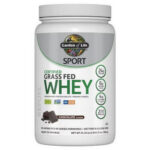
Garden of Life Grass Fed Whey appeals to lifters who care about sourcing and sustainability. The whey comes from grass-fed cows and is certified USDA Organic with no added hormones or antibiotics. Each serving provides 24 grams of protein with 4 grams of naturally occurring glutamine and glutamic acid. The ingredient list is clean and short, which is increasingly rare in the protein powder market. It costs more than conventional whey, but the quality and sourcing justify the premium for many buyers.
Garden of Life Organic Plant Protein
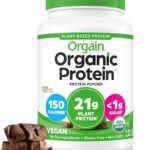
Garden of Life Organic Plant Protein is another excellent plant-based option that emphasizes organic certification and clean ingredients. It provides a complete amino acid profile from organic pea, sprouted grains, seeds, and legumes. With added probiotics and enzymes for digestibility, it tends to sit easier in the stomach than some competing plant proteins. For men who want a certified organic, vegan-friendly protein that does not compromise on quality, this is a strong contender. Read our Garden of Life Plant Protein review for amino acid analysis and digestibility notes.
Key finding: A landmark meta-analysis published in the British Journal of Sports Medicine (Morton et al., 2018) analyzing 49 studies and 1,863 participants concluded that protein supplementation significantly augmented resistance training-induced gains in muscle mass and strength, with benefits plateauing at approximately 1.6g/kg/day (0.73g/lb).
Maximize Your Protein’s Metabolic Impact
Java Burn supports metabolism and helps your body burn more calories throughout the day · 60-day money-back guarantee
How to Choose the Right Protein Powder
- Prioritize protein per serving. Look for products that deliver at least 20 grams of protein per scoop. Higher is generally better, but watch out for oversized scoops that make the numbers look impressive while using more powder per serving.
- Check the ingredient list length. The best protein powders have short, recognizable ingredient lists. If you see a laundry list of artificial additives, thickeners, and fillers, consider a cleaner option.
- Consider your digestive system. If dairy causes bloating or discomfort, try a whey isolate (which has minimal lactose) or switch to a plant-based protein entirely.
- Taste matters more than you think. You are going to drink this every day, potentially for years. Buy single-serving packets or small containers first to find flavors you genuinely enjoy before committing to a five-pound tub.
- Do the cost-per-serving math. A $60 container with 74 servings is a better deal than a $30 container with 14 servings. Always calculate the per-serving cost before comparing prices.
- Watch out for protein spiking. Some shady manufacturers add cheap amino acids like taurine or glycine to inflate the total protein number on the label without providing the complete protein your muscles actually need. Stick with reputable brands that have a track record of third-party testing.
One thing I tell every guy at my gym who asks about protein: stop overthinking the brand and start tracking your total intake. I spent years obsessing over isolate versus concentrate when the real problem was that I was only eating 120 grams of protein on a 200-pound frame. The week I started hitting 180 grams consistently — mostly from chicken, eggs, and Greek yogurt with one or two scoops of powder filling the gaps — my bench went from 275 to 295 within two months. The powder is a tool, not a magic trick.
Frequently Asked Questions
Can protein powder replace real food?
Protein powder should supplement your diet, not replace whole food sources of protein. Whole foods like chicken, fish, eggs, and beef provide micronutrients, fiber, and other compounds that powder cannot replicate. Aim to get at least half of your daily protein from whole foods and use powder to fill the gaps conveniently.
Is too much protein bad for your kidneys?
According to a systematic review published in the Journal of Nutrition (Devries et al., 2018), in healthy individuals with normal kidney function, there is no evidence that high-protein diets cause kidney damage. This myth persists, but multiple long-term studies have found no adverse effects of protein intakes up to 1.5 grams per pound of body weight in healthy adults. If you have a pre-existing kidney condition, consult your doctor before significantly increasing your protein intake.
Does protein powder cause acne?
Some people report increased breakouts when using whey protein, potentially due to its effects on insulin-like growth factor 1 (IGF-1). If you notice this, try switching to a whey isolate (which has less of the compounds that may trigger breakouts) or a plant-based protein. Anecdotally, many users find that plant proteins do not cause the same issue.
When is the best time to take protein powder?
The best time is whenever it helps you hit your daily protein goal. Post-workout is convenient and may offer a slight advantage for recovery. First thing in the morning is helpful if you tend to skip breakfast. Before bed, a casein-based protein or a slow-digesting blend like BSN Syntha-6 provides a slow drip of amino acids during sleep. The most important factor is consistency in your total daily intake.
How do I know if my protein powder is high quality?
Look for brands that undergo third-party testing through organizations like NSF International, Informed Sport, or Labdoor. These independent labs verify that the product contains what the label claims and is free from contaminants and banned substances. Reputable brands are usually transparent about their testing and will list certifications on their packaging.
Protein powder is a tool, not a magic pill. The best one for you is the one that fits your dietary preferences, digests well, tastes good enough that you actually use it daily, and fits your budget. Whether you choose a time-tested classic like ON Gold Standard or a plant-based powerhouse like Vega Sport, the key is simply getting enough protein every day to support your training goals.
Worth Checking Out: Mitolyn
Advanced mitochondrial support for sustained energy and healthy metabolism.