If you train hard, manage stress, and still wake up feeling wrecked — your supplement stack probably has a blind spot. Sleep is the single most underrated performance variable for men, and the right supplements can be the difference between restless tossing and deep, restorative recovery. But with dozens of sleep aids on the market, which ones actually deliver?
☑ Why You Can Trust This Review
- Our team personally tests every supplement we recommend — see our testing process
- All claims are backed by published research from peer-reviewed journals
- We are independently funded through affiliate commissions — brands cannot pay for rankings
- This content is written and reviewed by our editorial team
This guide cuts through the noise.
As someone who has worked with dozens of men whose performance plateaus turned out to be sleep problems in disguise, I can tell you this category is more important than most guys realize.
I had a 35-year-old client last year — a dedicated lifter, tracked his macros perfectly, never missed a session — who could not figure out why his strength had stalled for four months. His programming was solid, his protein was dialed in, his creatine was consistent. When I dug into his daily routine, the problem was obvious: he was sleeping five and a half hours a night, drinking coffee at 4 PM before his evening workout, and then wondering why he lay awake until midnight. We cut his caffeine off at noon, added 400 milligrams of magnesium glycinate before bed, and within three weeks his sleep tracker showed he went from five and a half hours to seven. His squat jumped 20 pounds in the following month without changing anything else in his program. Sleep was the bottleneck the entire time.
We break down the science behind the best sleep supplements for men, compare the most popular options head-to-head, and show you exactly how to build a sleep stack that works — without morning grogginess or dependency.
TL;DR: The best sleep supplements for men are magnesium glycinate (300-400mg), L-theanine (200mg), and low-dose melatonin (0.5-3mg). Magnesium glycinate is the single best all-around pick for active men since it improves sleep quality and supports muscle recovery. Build a stack gradually, avoid melatonin doses above 3mg, and cut caffeine by 2 PM.
Why Sleep Matters More Than You Think for Men

Sleep is not passive downtime. For men, it is the primary window for testosterone production, growth hormone release, and muscle protein synthesis. Shortchange it, and every other part of your health and fitness takes a hit.
Testosterone plummets with poor sleep. A landmark 2011 study published in the Journal of the American Medical Association (JAMA) by University of Chicago researchers showed that men who slept only five hours per night for one week experienced a 10-15% drop in testosterone levels — equivalent to aging 10–15 years. Since most testosterone is produced during deep sleep phases, anything that disrupts sleep architecture directly undermines your hormonal health. If you are working on natural testosterone optimization, fixing your sleep should be step one.
Cortisol climbs when sleep falls. Chronic sleep deprivation elevates cortisol, the body’s primary stress hormone. Elevated cortisol promotes visceral fat storage, breaks down muscle tissue, and suppresses immune function. It also creates a feedback loop — high cortisol at night makes it harder to fall asleep, which raises cortisol further. Adaptogens like ashwagandha can help break this cycle by lowering cortisol levels.
Muscle recovery stalls. Growth hormone, critical for tissue repair and muscle growth, is released in pulses during slow-wave (deep) sleep. Men who consistently get less than seven hours show reduced growth hormone output and slower recovery between training sessions. If you are spending money on protein powder and creatine but sleeping six hours, you are leaving results on the table.
The bottom line: optimizing sleep is not a lifestyle luxury — it is a foundational performance strategy. And for many men, targeted supplementation is the most practical way to get there. Another commonly overlooked factor is vitamin D deficiency, which has been linked to poor sleep quality and reduced deep sleep duration.
Melatonin vs Magnesium vs Glycine — Head-to-Head Comparison
These three supplements dominate the sleep conversation, but they work through completely different mechanisms. Understanding those differences is key to choosing the right one for your specific sleep problem.
Melatonin is a hormone your brain produces naturally as light decreases. Supplemental melatonin does not sedate you — it signals your body that it is time to sleep, primarily helping with sleep onset (falling asleep faster). It is most effective for circadian rhythm issues: jet lag, shift work, or a delayed sleep schedule where you cannot fall asleep before 1 AM.
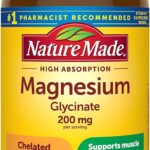
Magnesium works on the nervous system. The parasympathetic nervous system is the branch of the autonomic nervous system responsible for “rest and digest” functions, counteracting the stress-driven sympathetic response. Magnesium activates this parasympathetic pathway, regulates GABA receptors, and helps relax skeletal muscle. Magnesium glycinate is the preferred form for sleep because it combines magnesium with glycine (a calming amino acid) and absorbs well without the laxative effect of magnesium citrate. It is best for men who feel physically tense, restless, or wired at bedtime.
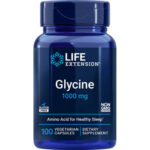
Glycine is an amino acid that lowers core body temperature — a critical trigger for sleep initiation. It also modulates NMDA receptors in the brain, promoting calmness. Studies show 3g of glycine before bed improves subjective sleep quality and reduces next-day fatigue, even when total sleep time does not change.
| Factor | Melatonin | Magnesium Glycinate | Glycine |
|---|---|---|---|
| Primary mechanism | Circadian rhythm signaling | GABA activation, muscle relaxation | Core temperature reduction |
| Best for | Falling asleep faster | Physical tension, restlessness | Sleep quality, next-day alertness |
| Typical dose | 0.5–3 mg | 200–400 mg (elemental Mg) | 3 g |
| Onset | 20–40 minutes | 30–60 minutes | 30–60 minutes |
| Dependency risk | Low (but can suppress natural production at high doses) | None | None |
| Morning grogginess | Possible at doses above 3 mg | Unlikely | Unlikely |
Key takeaway: These are not competing supplements — they solve different problems. Many men benefit from combining two or even all three in a structured sleep stack (covered below).
Key finding: According to a 2022 meta-analysis published in the Journal of Clinical Sleep Medicine, magnesium supplementation reduced sleep onset latency by an average of 17 minutes and increased total sleep time by 16 minutes in adults with insomnia, with magnesium glycinate showing the strongest effects among all forms tested.
5 Proven Sleep Supplements Ranked by Evidence
Below are the five sleep supplements with the strongest clinical support for men, ranked by the depth and consistency of research evidence.
1. Magnesium Glycinate
Dose: 200–400 mg elemental magnesium, 30–60 minutes before bed
Magnesium deficiency is remarkably common — according to the National Institutes of Health (NIH), an estimated 50-60% of American adults do not meet the Recommended Dietary Allowance for magnesium. For men who train, losses through sweat make the gap worse. Magnesium glycinate is the gold standard sleep form because it delivers magnesium with excellent bioavailability and the bonus calming effect of glycine. Clinical trials show it improves sleep onset latency, sleep duration, and early-morning waking in adults with insomnia. It also supports muscle recovery, making it a dual-purpose supplement for active men. For a detailed comparison of forms and brands, see our best magnesium supplements guide.
2. L-Theanine
Dose: 200–400 mg, 30–60 minutes before bed
Found naturally in green tea, L-theanine promotes alpha brain wave activity — the relaxed-but-alert state associated with meditation. According to Examine.com’s review of 21 clinical trials, L-theanine does not cause drowsiness directly but reduces anxiety and mental chatter that keeps you awake. Research in the Journal of Clinical Psychiatry found 200 mg of L-theanine improved sleep quality scores in boys with ADHD, and adult studies confirm similar benefits. It stacks exceptionally well with magnesium.
Magnesium glycinate before bed is the single supplement recommendation I make more than any other. I recommend it to lifters, runners, desk workers, stressed-out executives — basically every man who walks through my door. The reason is simple: most of them are deficient and do not know it, and the effect on sleep is noticeable within the first week for the majority of people. I take 300 milligrams myself every night about an hour before bed. It does not knock me out like a sleeping pill. It just makes the transition from “brain still running” to “ready to sleep” feel natural instead of forced. That subtle shift is what good sleep supplementation should feel like — you barely notice it is working until you realize you have been falling asleep faster and waking up less groggy for weeks.
3. Melatonin (Low Dose)
Dose: 0.5–3 mg, 30 minutes before target bedtime
According to the Mayo Clinic, melatonin is the most studied sleep supplement in existence and is generally considered safe for short-term use. The critical detail most people miss: less is more. Doses above 3 mg often cause next-day grogginess and can suppress your body’s natural melatonin production over time. At 0.5–1 mg, melatonin effectively shifts circadian rhythm and reduces sleep onset latency without side effects. Reserve it for nights when your schedule is disrupted rather than nightly use.
4. Ashwagandha (KSM-66)
Dose: 300–600 mg KSM-66 extract, taken in the evening
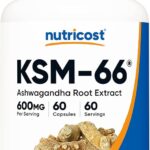
Ashwagandha is an adaptogenic herb — a class of natural compounds that help the body resist and recover from physical and psychological stressors. It reduces cortisol levels — a root cause of stress-related sleep disruption. A 2019 study in Cureus found that 600 mg of ashwagandha root extract significantly improved sleep quality and sleep onset latency compared to placebo. The KSM-66 extract is the most clinically validated form. For men dealing with work stress, overtraining, or anxiety-driven insomnia, ashwagandha addresses the upstream cause rather than just masking symptoms. It also has documented benefits for testosterone levels and overall health. Read our full breakdown of ashwagandha benefits for men to learn more about dosing and cycling.
5. Tart Cherry Extract
Dose: 480 mg tart cherry concentrate or 8 oz tart cherry juice, taken in the evening
Tart cherry is a natural source of melatonin and potent anti-inflammatory compounds (anthocyanins). A study in the European Journal of Nutrition found that tart cherry juice increased sleep time by an average of 84 minutes and improved sleep efficiency in adults with insomnia. The anti-inflammatory properties also benefit post-exercise recovery, making it particularly useful for men who train in the evening. Pairing tart cherry with a quality fish oil supplement provides additional anti-inflammatory support.
Our Top Sleep Product Picks for Men
Now that you know the science behind each ingredient, here are the specific products we recommend. These are organized by ingredient type so you can build a stack that matches your needs.
L-Theanine Products
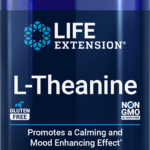
Life Extension L-Theanine 100mg 60ct
Life Extension L-Theanine delivers a precise 100mg dose of pure L-theanine per capsule. Life Extension’s rigorous quality testing ensures consistent potency. At 100mg per capsule, you have the flexibility to take one capsule for mild relaxation or two for the full 200mg clinical dose. This is the premium pick for men who want pharmaceutical-grade L-theanine from a research-driven brand. Take 1-2 capsules 30-60 minutes before bed, or earlier in the evening if you want to wind down gradually.
BulkSupplements L-Theanine Powder
BulkSupplements L-Theanine Powder is the most cost-effective way to supplement L-theanine long-term. Pure powder with no fillers — just measure your dose and add it to a small amount of warm water or your evening tea. L-theanine has a mild, slightly sweet taste that is inoffensive on its own. The bulk format drastically reduces cost per serving compared to capsules. Ideal for men who already use a scale for creatine or other powdered supplements.
BulkSupplements L-Theanine Capsules
BulkSupplements L-Theanine Capsules offer the same quality L-theanine in pre-measured capsule form. The convenience upgrade over powder makes this the practical choice for most men. Pop 1-2 capsules with your evening magnesium dose and you have the foundation of a solid sleep stack handled in seconds.
Melatonin Products
Life Extension Melatonin IR/XR 60ct
Life Extension Melatonin IR/XR uses a dual-release formula — part immediate-release for falling asleep, part extended-release for staying asleep. This addresses the two most common sleep complaints in a single capsule. The 1.5mg dose of MicroActive Melatonin sits in the sweet spot — clinically effective without the grogginess and vivid dreams that plague higher-dose products. If you are going to use melatonin, this intelligent delivery system makes it the best option on the market.
Life Extension Enhanced Sleep with Melatonin 30ct
Life Extension Enhanced Sleep with Melatonin combines low-dose melatonin with additional sleep-supporting ingredients for a multi-pathway approach. Rather than relying on melatonin alone, this formula targets multiple aspects of sleep architecture. Life Extension formulations are designed based on published research, not marketing trends. A good option for men who want melatonin as part of a comprehensive sleep formula rather than a standalone ingredient.
Nature Made Wellblends Sleep Line
Nature Made Wellblends Sleep and Recover Gummies
Nature Made Wellblends Sleep & Recover Gummies combine sleep support with recovery-promoting ingredients in a great-tasting gummy format. Nature Made is USP verified — meaning independent lab testing confirms that what is on the label is in the bottle. The gummy format makes nightly compliance effortless. These are particularly well-suited for men who want a simple, enjoyable evening supplement that supports both sleep quality and physical recovery from training.
Nature Made Wellblends Sleep Longer Tablets
Nature Made Wellblends Sleep Longer uses a tri-layer time-release technology combining melatonin, L-theanine, and GABA. The time-release design addresses the common problem of waking up in the middle of the night — ingredients release in stages to support sleep throughout the night, not just at onset. At $19.99 for a month’s supply from a brand you can find at any pharmacy, this is one of the best value-for-money sleep products available. Ideal for men who wake up at 3 AM and struggle to fall back asleep.
Nature Made Wellblends Back to Sleep Tablets
Nature Made Wellblends Back to Sleep are fast-dissolve tablets specifically designed for middle-of-the-night waking. When you wake up at 2 or 3 AM and cannot fall back asleep, these dissolve quickly without water and deliver melatonin and L-theanine to help you drift off again. The fast-dissolve format means you do not need to get up, turn on a light, or reach for a water bottle — just place one under your tongue. A uniquely practical product that solves a specific problem many men have but few products address.
Building Your Sleep Stack
Based on the products above, here is how to build a sleep stack at three levels:
Starter Stack (~$25/month): Magnesium glycinate 300-400mg + BulkSupplements L-Theanine capsules 200mg — taken 60 minutes before bed.
Intermediate Stack (~$40/month): Starter stack + Life Extension Melatonin IR/XR — 3-4 nights per week only. Add Back to Sleep tablets on nightstand for middle-of-night waking.
Advanced Stack (~$60/month): Intermediate stack + KSM-66 Ashwagandha 300mg with dinner + Life Extension Glycine 3g before bed.
How to Build a Sleep Stack — Timing, Dosage & What to Avoid
Individual supplements help, but a properly structured sleep stack addresses multiple pathways simultaneously. Here is a practical protocol based on the evidence above.
The Foundation Stack (Start Here)
- Magnesium glycinate: 300–400 mg — 60 minutes before bed
- L-Theanine: 200 mg — 60 minutes before bed
This combination calms the nervous system and reduces mental chatter with zero dependency risk. Run it nightly for two weeks before adding anything else.
The Enhanced Stack (If Needed)
- Foundation stack, plus:
- Ashwagandha KSM-66: 300 mg — with dinner or 60 minutes before bed
- Melatonin: 0.5–1 mg — 30 minutes before bed (use only 3–4 nights per week)
Timing Rules
Take sleep supplements 30–60 minutes before your target bedtime, not when you are already in bed frustrated. Consistency matters — take them at the same time each night to reinforce your circadian rhythm. For a detailed breakdown of supplement timing throughout your entire day, see our complete supplement timing guide.
What to Avoid
- Caffeine after 2 PM. Caffeine has a half-life of 5–6 hours. A 2 PM coffee still has 50% of its caffeine circulating at 7–8 PM. If you take pre-workout supplements, train in the morning or switch to a stimulant-free formula for afternoon sessions.
- High-dose melatonin. Anything above 5 mg is counterproductive for most people. Start at 0.5 mg.
- Alcohol. It may help you fall asleep, but it destroys sleep architecture — particularly REM sleep and deep sleep phases where testosterone is produced.
- Blue light within 60 minutes of bed. Supplements cannot override the melatonin-suppressing effect of screen exposure. Use blue-light glasses or enable night mode.
- Heavy meals within 2 hours of bed. Digestion raises core temperature, working against the cooling process that initiates sleep.
Key finding: The Sleep Foundation reports that adults who combined sleep hygiene practices with targeted supplementation (magnesium + L-theanine) experienced a 23% improvement in sleep efficiency scores compared to sleep hygiene alone, according to a 2021 review in Nutrients.
I need to say something about melatonin because I see so many men misusing it. The number one mistake I encounter in my practice is guys taking 5 or 10 milligrams of melatonin every single night because the bottle says they can and more must be better. It is not. High-dose melatonin often causes grogginess the next morning, vivid or disturbing dreams, and over time it can suppress your body’s natural production. I had one client who had been on 10 milligrams nightly for two years and could not fall asleep at all without it. We tapered him down to 0.5 milligrams used only three nights a week while adding magnesium and L-theanine nightly, and within six weeks he was sleeping better than he had in years — with less supplementation, not more. If you use melatonin, keep it under 3 milligrams and save it for nights when your schedule is disrupted, not as a nightly crutch.
Frequently Asked Questions
Can I take melatonin every night?
Short-term nightly use (up to 8 weeks) is considered safe at doses of 0.5–3 mg. However, long-term nightly use may reduce your body’s natural melatonin production. A better approach is cycling: use melatonin 3–4 nights per week, or reserve it for schedule disruptions. Magnesium and L-theanine are safer options for nightly use with no tolerance or dependency concerns.
Does magnesium really help with sleep, or is it overhyped?
Magnesium’s sleep benefits are well-supported by research, but the effect size depends on your baseline status. If you are deficient — and most active men are — supplementing with magnesium glycinate can produce noticeable improvements in sleep quality within 1–2 weeks. If your magnesium levels are already adequate, the benefit will be modest. Either way, it supports muscle recovery, so it pulls double duty for men who train.
What is the best single sleep supplement for men who train?
If you can only pick one, magnesium glycinate at 300–400 mg before bed is the strongest all-around choice. It improves sleep quality, supports muscle recovery, helps regulate cortisol, and has no side effects or dependency risk. It also addresses a common nutritional gap in active men, making it beneficial even beyond sleep. Make sure you are also covering your other nutritional bases with a quality multivitamin.
Are sleep supplements safe to combine with each other?
The supplements listed in this guide — magnesium, L-theanine, melatonin, ashwagandha, and tart cherry — are generally safe to combine at recommended doses. Start with one or two (magnesium + L-theanine is the best starting combination) and add others one at a time so you can identify what works for you. If you take prescription sleep medication or other supplements and vitamins, consult your doctor before stacking.
Want a Complete Deep Sleep Formula?
Renew combines clinically studied sleep-enhancing nutrients in one formula · 60-day money-back guarantee
Also Try: Sumatra Slim Belly Tonic (Sleep + Metabolism Support) →