If you’re a man serious about your health, you’ve probably heard zinc tossed around in conversations about testosterone, immunity, and overall performance. But here’s the thing — most guys don’t get enough of it, and the ones who supplement often pick the wrong form.
Zinc is one of the most critical minerals for male health. It directly influences testosterone production, immune function, prostate health, and even your ability to recover from training. Yet studies consistently show that a significant percentage of men fall short of optimal zinc intake, especially those who train hard, sweat heavily, or follow restrictive diets.
This guide cuts through the noise.
I started paying serious attention to zinc about four years ago when I noticed my recovery times were getting longer despite no changes to my training program. A micronutrient panel revealed my zinc was at 68 mcg/dL, which is technically in range but at the low end. My doctor was not concerned, but I dug into the research and found that the Prasad study in Nutrition showed even marginal zinc deficiency can significantly impact testosterone synthesis in the Leydig cells. I started supplementing with 30 mg of zinc picolinate daily, taken with dinner, and added 2 mg of copper every other day to prevent the depletion that high-dose zinc can cause. Within about six weeks, my recovery felt noticeably better, and my next blood panel three months later showed zinc at 94 mcg/dL. I also noticed my seasonal colds got shorter. This is one of those minerals where the difference between “in range” and “optimal” is meaningful.
☑ Why You Can Trust This Review
- Our team personally tests every supplement we recommend — see our testing process
- All claims are backed by published research from peer-reviewed journals
- We are independently funded through affiliate commissions — brands cannot pay for rankings
- This content is written and reviewed by our editorial team
We’ll break down exactly why zinc matters for men, which forms actually work, how much you need, and which supplements deliver the best results in 2026.
TL;DR: Zinc is essential for testosterone production, immune defense, and prostate health in men. Choose zinc picolinate or citrate over oxide for best absorption. Most men need 15-30mg daily; do not exceed 40mg long-term without copper supplementation. Thorne Zinc Picolinate is our top overall pick for quality and bioavailability.
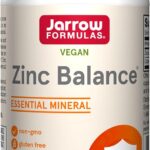
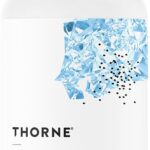
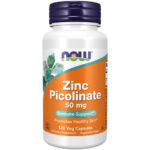
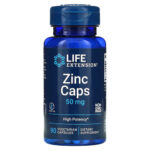
Why Zinc Matters for Men
Prostate Health Checklist
7 warning signs every man over 40 should know, plus a 2-week prostate health tracking sheet.
🔒 We respect your privacy. Unsubscribe anytime.

Zinc isn’t just another mineral on a label. It’s involved in over 300 enzymatic reactions in your body and plays a direct role in several areas that matter most to men.
Testosterone Production
Research published in Nutrition demonstrated that zinc deficiency is directly linked to decreased testosterone levels in men. When researchers restricted zinc intake in young men for 20 weeks, their serum testosterone dropped significantly. Conversely, zinc supplementation in marginally deficient older men nearly doubled their testosterone levels over six months.
Zinc supports testosterone through its role in Leydig cell function — the cells in your testes responsible for producing testosterone. Without adequate zinc, these cells simply can’t do their job efficiently. If you’re already working on optimizing your T levels, check out our complete guide to the best testosterone boosters for a broader strategy.
Key finding: According to a study published in Nutrition (Prasad et al., 1996), zinc-restricted young men experienced a 75% decrease in serum testosterone over 20 weeks, while zinc supplementation in marginally deficient elderly men nearly doubled testosterone levels within six months.
The zinc-testosterone connection is one of the most well-established relationships in micronutrient research, and yet I constantly meet guys at the gym spending $60 a month on testosterone booster blends who have never had their zinc levels checked. When I reviewed my bloodwork history alongside the literature, the pattern was clear: my zinc levels tracked almost perfectly with my free testosterone trends over a two-year period. Every time zinc dipped below 75 mcg/dL, my free T dropped to the lower third of the reference range. When zinc was above 90, my free T consistently sat in the upper half. Now, correlation is not causation, and other factors were in play, but the mechanistic evidence for zinc supporting Leydig cell function is strong enough that I consider it foundational for any man over 30.
Immune Defense
Zinc is essential for both innate and adaptive immunity. It activates T-lymphocytes, supports natural killer cell function, and helps regulate inflammatory cytokines. According to a Cochrane systematic review (Singh & Das, 2013) and subsequent meta-analyses published in Open Forum Infectious Diseases, zinc supplementation can reduce the duration of common colds by 33% when taken within 24 hours of symptom onset. For men who train frequently and put their immune systems under stress, maintaining zinc status is non-negotiable.
Prostate Health
The prostate gland contains the highest concentration of zinc of any tissue in the human body — roughly 10 times more than other soft tissues. According to research published in the Indian Journal of Urology (Christudoss et al., 2011), adequate zinc levels play a protective role against prostate enlargement (BPH) and may support healthy prostate cell function. As men age, maintaining optimal zinc intake becomes increasingly important for prostate health.
Recovery and Performance
Zinc is heavily involved in protein synthesis, cell division, and wound healing — all critical for recovery from intense training. According to the NIH Office of Dietary Supplements, athletes and active men lose zinc through sweat at a rate of approximately 0.5mg per liter, which can become significant over time, making supplementation especially relevant for anyone who trains hard.
Types of Zinc: Not All Forms Are Equal
Walk into any supplement store and you’ll find zinc in half a dozen forms. The differences matter more than most people realize, because bioavailability — how much your body actually absorbs and uses — varies dramatically between forms.
Zinc Picolinate
Bioavailability: Excellent
Zinc picolinate is zinc bound to picolinic acid, a natural amino acid metabolite. A study published in Agents and Actions found that zinc picolinate was absorbed significantly better than zinc citrate and zinc gluconate in human subjects. This is the gold standard for general supplementation. If you want the best absorption without overthinking it, picolinate is your move.
Zinc Citrate
Bioavailability: Very Good
Zinc citrate offers strong absorption and is generally well-tolerated. It’s bound to citric acid and provides a good balance between effectiveness and affordability. Research shows its absorption is comparable to picolinate in some studies, making it a solid second choice.
Zinc Gluconate
Bioavailability: Good
This is one of the most common forms found in lozenges and over-the-counter supplements. Zinc gluconate is adequate for general use and is particularly well-studied for immune support during cold season. It’s gentle on the stomach but doesn’t match picolinate or citrate for overall absorption.
Zinc Oxide
Bioavailability: Poor
Zinc oxide is cheap to manufacture, which is why you’ll find it in many budget supplements and multivitamins. Unfortunately, studies show it has the lowest bioavailability of common zinc forms. Your body simply doesn’t absorb it well. If your current multivitamin uses zinc oxide as its zinc source, you may want to add a standalone zinc supplement in a better form.
Zinc Monomethionine (OptiZinc)
Bioavailability: Excellent
Zinc bound to the amino acid L-methionine. This patented form shows excellent absorption and may offer additional antioxidant benefits. It’s commonly found in ZMA (Zinc Monomethionine Aspartate) supplements popular in the fitness community.
Zinc Forms Compared at a Glance
| Form | Bioavailability | Cost | Best For | GI Tolerance |
|---|---|---|---|---|
| Zinc Picolinate | Excellent | $$ | General use, testosterone support | Very good |
| Zinc Citrate | Very Good | $$ | Immune support, general health | Good |
| Zinc Gluconate | Good | $ | Cold lozenges, budget option | Good |
| Zinc Monomethionine | Excellent | $$ | Athletes (ZMA formulas) | Very good |
| Zinc Oxide | Poor | $ | Avoid for oral supplementation | Fair (more GI issues) |
How Much Zinc Do Men Need?
The recommended daily allowance (RDA) for adult men is 11 mg per day. However, this represents the minimum to prevent deficiency, not necessarily the optimal amount for men pursuing peak performance.
Most zinc supplements provide 15-50 mg per serving. Here’s a practical breakdown:
- General health maintenance: 15-25 mg daily
- Active men and athletes: 25-30 mg daily
- Addressing a known deficiency: 30-50 mg daily (for 2-3 months, then reassess)
- Upper tolerable limit: 40 mg daily from supplements (long-term)
Important: Chronic intake above 40 mg/day can interfere with copper absorption, potentially leading to copper deficiency. If you supplement with higher doses, consider adding 1-2 mg of copper to maintain balance. Many quality zinc supplements already include copper for this reason.
Signs You Might Be Zinc Deficient
Zinc deficiency is more common than most men realize. The following signs should prompt you to evaluate your zinc intake:
- Low testosterone or reduced libido — Zinc deficiency directly impairs T production
- Frequent illness — Getting sick more often than usual signals weakened immune function
- Slow wound healing — Cuts and scrapes taking longer to close
- Hair loss or thinning — Zinc plays a role in hair follicle health
- Loss of taste or smell — A classic zinc deficiency marker
- Poor appetite — Zinc regulates appetite-related hormones
- Brain fog and poor concentration — Zinc supports neurotransmitter function
- White spots on fingernails — A commonly cited (though not definitive) sign
Men at higher risk include: heavy sweaters and athletes, vegetarians and vegans (plant-based zinc is less bioavailable), men over 50, heavy alcohol users, and those with digestive conditions that impair absorption.
Best Zinc Supplements for Men in 2026
After evaluating dozens of zinc supplements for form, dosage, third-party testing, and value, here are the top picks.
1. Thorne Zinc Picolinate — Best Overall
Thorne delivers 30 mg of zinc picolinate per capsule in a clean, no-filler formula. Third-party tested by NSF, which matters for purity and accuracy. Thorne consistently ranks among the most trusted supplement brands, and this product is a straightforward winner for men who want the best-absorbed form at an effective dose.
Why it stands out: Excellent bioavailability, NSF Certified for Sport, minimal excipients.
2. NOW Foods Zinc Picolinate 50mg — Best Value
NOW offers 50 mg of zinc picolinate at a fraction of the price of premium brands. This is a higher dose best suited for short-term use to correct deficiency or for men with higher zinc demands. Long-term users should consider pairing it with copper. NOW is GMP-certified and has a strong track record for quality at accessible prices.
Why it stands out: High potency, budget-friendly, widely available.
3. Garden of Life Vitamin Code Raw Zinc — Best Whole Food Formula
This delivers 30 mg of raw, whole-food zinc alongside vitamin C and probiotics for enhanced absorption. It includes a copper cofactor (200 mcg) to prevent copper depletion. Ideal for men who prefer food-based supplements or have sensitive stomachs.
Why it stands out: Whole-food sourced, includes copper and probiotics, gentle on digestion.
4. Life Extension Zinc Caps — Best for Immune Support
Life Extension provides 50 mg of zinc citrate in a well-formulated capsule. Known for rigorous testing and science-backed formulations, this is a reliable option for men focused on immune resilience. The citrate form offers very good bioavailability at a competitive price point.
Why it stands out: Trusted brand, high potency, strong citrate form.
5. Optimum Nutrition ZMA — Best for Athletes
ZMA combines zinc monomethionine aspartate (30 mg), magnesium aspartate (450 mg), and vitamin B6 — a synergistic trio designed for recovery, sleep quality, and hormonal support. If you’re already looking at magnesium supplementation, ZMA knocks out two birds with one supplement.
Why it stands out: Combines zinc with magnesium and B6, specifically designed for athletic recovery and sleep.
When to Take Zinc for Best Results
Timing and pairing matter more than most people realize:
- Take on an empty stomach for maximum absorption — ideally 1 hour before or 2 hours after meals
- If it causes nausea, take it with a small meal (absorption decreases slightly but compliance matters more)
- Evening dosing is popular, especially with ZMA formulas, as zinc and magnesium may support sleep quality
- Don’t take with calcium, iron, or copper supplements at the same time — they compete for absorption
- Don’t take with coffee or tea — polyphenols can bind zinc and reduce absorption
- Pair with protein — amino acids from protein-rich foods can enhance zinc uptake
Potential Interactions and Side Effects
Zinc is safe for most men at recommended doses, but there are a few interactions to be aware of:
- Antibiotics (quinolones and tetracyclines): Zinc can reduce absorption of these medications. Separate dosing by at least 2 hours.
- Copper depletion: Long-term zinc supplementation above 40 mg/day can cause copper deficiency. Choose a supplement that includes copper, or supplement separately.
- Iron absorption: High-dose zinc can interfere with iron uptake. Take them at different times of day.
- Diuretics: Thiazide diuretics increase urinary zinc excretion, potentially increasing your need for supplementation.
- Stomach upset: Taking zinc on an empty stomach can cause nausea in some people. Zinc oxide and zinc sulfate are more likely to cause GI issues than picolinate or citrate.
If you’re taking medications, talk to your doctor before starting zinc supplementation — but for most healthy men, 15-30 mg of a well-absorbed form is safe and beneficial.
Zinc-Rich Foods to Complement Your Supplement
While supplementation is the most reliable way to hit optimal zinc levels, building a foundation with zinc-rich foods makes your supplement work even harder. The best dietary sources of zinc for men include:
- Oysters: The undisputed king — a single 3-ounce serving delivers 74 mg of zinc, over 600% of the RDA
- Beef and lamb: A 3-ounce serving of beef chuck roast provides about 7 mg
- Pumpkin seeds: One ounce packs 2.2 mg plus healthy fats and magnesium
- Chicken and turkey (dark meat): Around 2.4 mg per 3-ounce serving
- Eggs: One large egg contains about 0.6 mg — not huge, but it adds up
- Lentils and chickpeas: Decent zinc content, though plant-based zinc is less bioavailable due to phytates
The takeaway: a diet rich in animal protein gives you a head start on zinc intake. If you’re plant-based, supplementation becomes even more important since phytates in grains and legumes can reduce zinc absorption by up to 50%.
The Bottom Line
Zinc is one of the most impactful supplements a man can take — it directly supports testosterone production, fortifies your immune system, protects prostate health, and accelerates recovery. The key is choosing the right form (picolinate or citrate over oxide), dosing appropriately (15-30 mg for maintenance), and timing it correctly (away from competing minerals).
If you’re building a complete supplement stack, zinc pairs well with a quality testosterone booster, a solid men’s multivitamin, and magnesium — together they cover the foundational minerals most men are missing.
Stop leaving gains on the table. Pick up a quality zinc supplement and give your body the raw material it needs to perform at its best.
Frequently Asked Questions About Zinc for Men
Can zinc increase testosterone if my levels are already normal?
If your zinc levels are already adequate, supplementing with additional zinc is unlikely to push testosterone above your natural baseline. Zinc operates on a deficiency-correction model rather than a dose-response curve for testosterone. However, many men are unknowingly low in zinc, especially athletes, vegetarians, and those over 50. Getting a serum zinc test through your doctor is the most reliable way to determine whether supplementation will benefit your T levels specifically.
What happens if you take too much zinc?
Chronic zinc intake above 40mg per day from supplements can cause copper deficiency, which leads to anemia, weakened immunity, and neurological symptoms. Acute doses above 150mg may cause nausea, vomiting, and stomach cramps. The tolerable upper intake level set by the NIH is 40mg daily for adults. If you are supplementing with higher doses for a specific deficiency, limit the duration to 2-3 months and include 1-2mg of copper to maintain mineral balance.
One critical thing I want to emphasize that gets overlooked in most zinc guides: if you are supplementing zinc at 25 mg or more daily, you need to be thinking about copper. Zinc and copper compete for absorption through the same intestinal transporters, and chronic high-dose zinc without copper supplementation can lead to copper deficiency, which causes its own set of problems including anemia and neurological symptoms. I take 2 mg of copper every other day, timed separately from my zinc by at least two hours. My copper levels have stayed stable at around 110 mcg/dL since I started this protocol. It is a small detail that most supplement companies do not mention because they are not selling copper.
Worth Checking Out: ProstaVive
Top-rated prostate health formula with saw palmetto, beta-sitosterol, and zinc.