Fish Oil & Omega-3
Support your heart, brain, and joint health with our selection of premium fish oil and omega-3 supplements. Omega-3 fatty acids, particularly EPA and DHA, are essential fats that your body cannot produce on its own and must obtain through diet or supplementation. Research consistently links adequate omega-3 intake to cardiovascular health, reduced inflammation, improved cognitive function, and better joint mobility.
High-Potency EPA and DHA for Real Results
Our fish oil collection features concentrated omega-3 formulas that deliver meaningful doses of EPA and DHA per serving, not the low-potency options that require handfuls of capsules to reach effective levels. We carry molecular-distilled fish oils that remove heavy metals, PCBs, and other contaminants while preserving the beneficial fatty acids. Triglyceride-form fish oils offer superior absorption compared to cheaper ethyl ester forms.
For those who prefer alternatives to traditional fish oil, we also feature krill oil supplements that include naturally occurring astaxanthin, as well as algae-based omega-3 options suitable for vegetarians and vegans. Enteric-coated softgels reduce fishy aftertaste and improve digestive comfort. Look for products that display their EPA and DHA content per serving clearly and carry third-party purity certifications like IFOS or NSF.
Browse our fish oil and omega-3 supplements below and support your long-term health.
Looking for help choosing? Read our Complete Fish Oil & Omega-3 Buying Guide.
Showing all 13 results
-
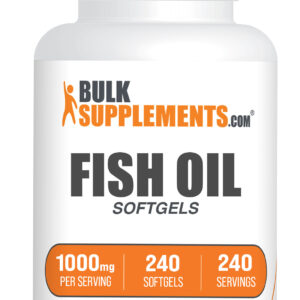
BulkSupplements Fish Oil Softgels
Shop Now -
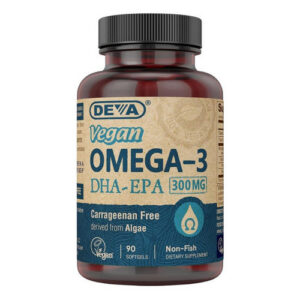
Deva Vegan Omega-3 DHA EPA 300mg 90 Sgels
Shop Now -
Life Extension Mega EPA/DHA
Shop at Life Extension -
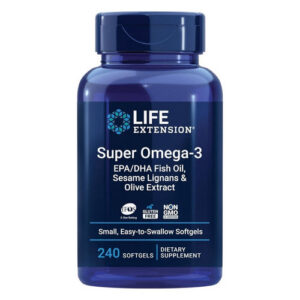
Life Extension Super Omega-3 EPA DHA 240
Shop Now -
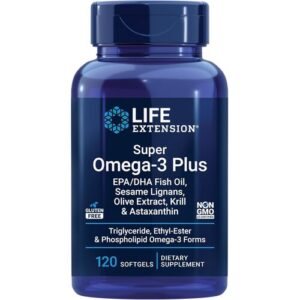
Life Extension Super Omega-3 Plus with Krill & Astaxanthin 120ct
Shop Now -
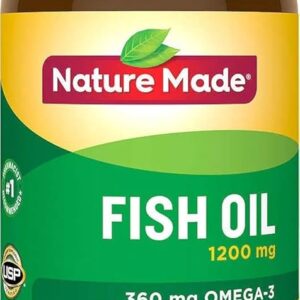
Nature Made Fish Oil 1200mg Softgels
Check Price on Amazon -
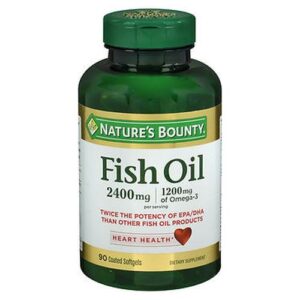
Nature’s Bounty Fish Oil 2400mg 90 Sgels
Shop Now -
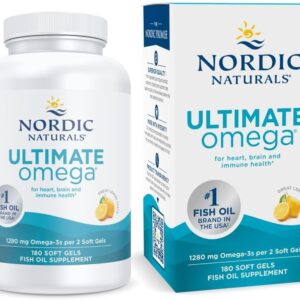
Nordic Naturals Ultimate Omega Fish Oil
Check Price on Amazon -
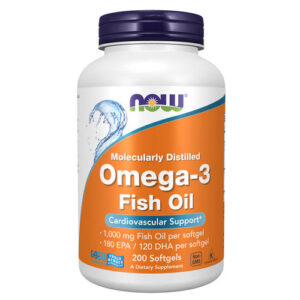
NOW Foods Omega-3 Fish Oil 1000mg 200
Shop Now -
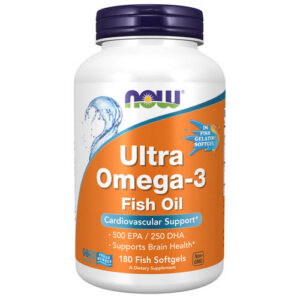
NOW Foods Ultra Omega-3 Fish Oil 180
Shop Now -
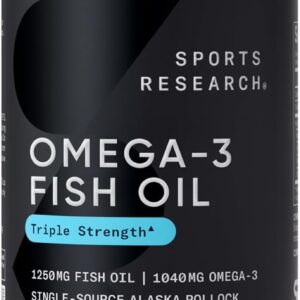
Sports Research Triple Strength Omega-3 Fish Oil
Shop Now -
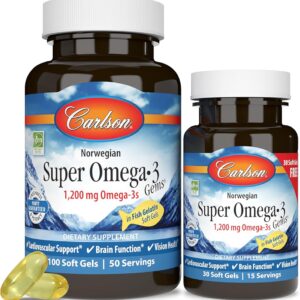
Super Omega-3 EPA/DHA Fish Oil, Sesame Lignans & Olive Extract () (120 enteric-coated softgels), Life Extension
Shop at Life Extension -
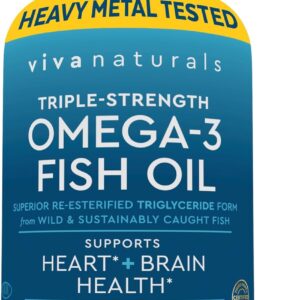
Viva Naturals Triple Strength Omega-3 Fish Oil
Shop Now
Frequently Asked Questions
What is the difference between EPA and DHA in fish oil?
EPA is primarily anti-inflammatory and supports heart health, mood regulation, and joint comfort. DHA is the main structural fat in the brain and eyes, making it critical for cognitive function and vision. Most health professionals recommend a fish oil that provides both, with a combined total of at least 500mg EPA and DHA per day.
How much fish oil should I take daily?
For general health, 1000-2000mg of combined EPA and DHA per day is a common recommendation. For specific concerns like high triglycerides or joint inflammation, doses of 2000-4000mg under medical guidance may be appropriate. Always check the supplement facts label since total fish oil and actual EPA plus DHA content are different numbers.
Should I worry about mercury in fish oil supplements?
Reputable fish oil manufacturers use molecular distillation to remove mercury, PCBs, and other contaminants. Third-party certifications from IFOS or NSF International verify purity and potency standards. Fish oil supplements are generally considered safe and much lower in mercury than eating large predatory fish like swordfish or shark.
Are there good plant-based alternatives to fish oil?
Algae-based omega-3 supplements provide DHA and some EPA directly from the same source fish get their omega-3s from. Flaxseed and chia seeds contain ALA, but only about 5-10 percent converts to EPA and almost none to DHA. For vegetarians and vegans, algae oil is the most effective way to get preformed DHA and EPA.
How can I tell if my fish oil supplement is fresh and high quality?
Cut open a softgel and smell it. Fresh fish oil should have a mild ocean scent, not a strong fishy or rancid odor. Check for a recent manufacture date and store fish oil in a cool, dark place or the refrigerator. Look for products with added vitamin E or rosemary extract, which act as natural antioxidants to prevent oxidation.