Magnesium
Optimize your recovery, sleep quality, and overall health with our selection of magnesium supplements. Magnesium is involved in over 300 enzymatic reactions in the body, playing critical roles in muscle and nerve function, energy production, protein synthesis, and blood pressure regulation. Despite its importance, magnesium deficiency is remarkably common, especially among active individuals who lose this mineral through sweat during intense exercise.
Choosing the Right Form of Magnesium
Not all magnesium supplements are created equal, and the form matters significantly for absorption and targeted benefits. Magnesium glycinate is highly bioavailable and gentle on the stomach, making it an excellent choice for daily supplementation and sleep support. Magnesium citrate offers good absorption and can support digestive regularity. Magnesium L-threonate is specifically researched for its ability to cross the blood-brain barrier and support cognitive function and memory.
For athletes and fitness enthusiasts, adequate magnesium intake helps prevent muscle cramps, supports healthy testosterone levels, and promotes the deep restorative sleep that is essential for recovery and growth hormone production. Our collection includes capsules, powders, and liquid formulations at dosages that make reaching the recommended daily intake straightforward. We feature products from brands that use chelated and bioavailable forms rather than poorly absorbed magnesium oxide.
Browse our magnesium supplements below and give your body this essential mineral.
Looking for help choosing? Read our Complete Magnesium Buying Guide.
Showing all 20 results
-
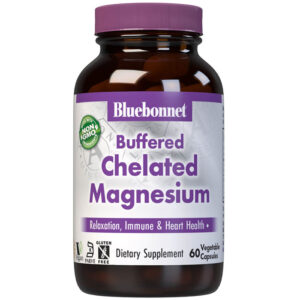
Albion Buff Chelated Mag 200 mg, 60 Vcaps
Get Best Deal -
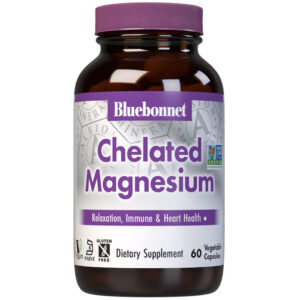
Albion Chelated Mag 100 mg, 60 Vcaps
Get Best Deal -

Brain Mag Magtein 75 mg, 60 Vcaps
Get Best Deal -
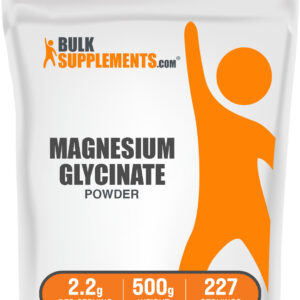
BulkSupplements Magnesium Glycinate Powder
Shop Now -
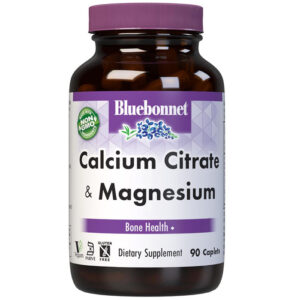
Cal-Citrate + Mag, 90 Caplets
Get Best Deal -
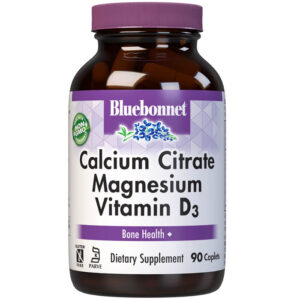
Cal-Citrate Mag + D3, 90 Caplets
Get Best Deal -
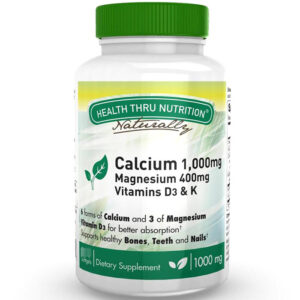
Cal-Mag with D3 & K, 90 Softgels
Get Best Deal -
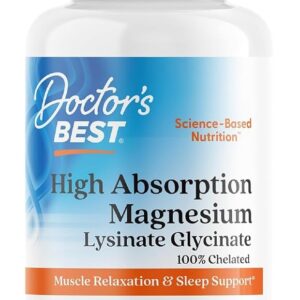
Doctor’s Best High Absorption Magnesium Glycinate
Check Price on Amazon -
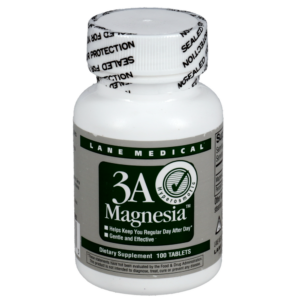
Lane Medical – 3A Magnesia 100 tabs
Get Best Deal -
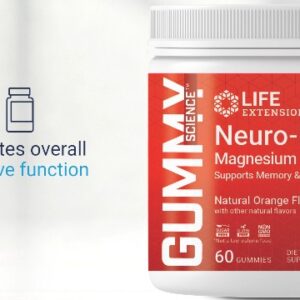
Life Extension Gummy Science™ Neuro-Mag® Magnesium L-Threonate (Orange) (60 gummies)
Shop at Life Extension -
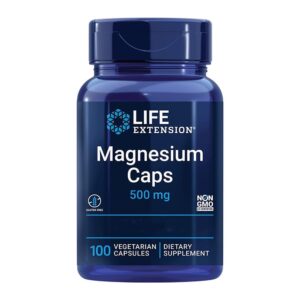
Life Extension Magnesium Caps, 100 vegetarian
Shop at Life Extension -
Life Extension Magnesium Glycinate
Shop at Life Extension -
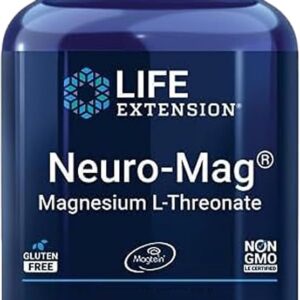
Life Extension Neuro-Mag® Magnesium L-Threonate
Shop at Life Extension -
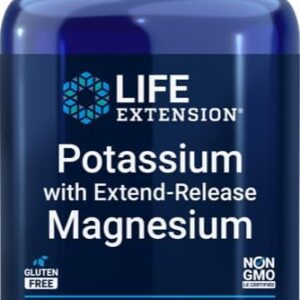
Life Extension Potassium with Extend-Release Magnesium
Shop at Life Extension -
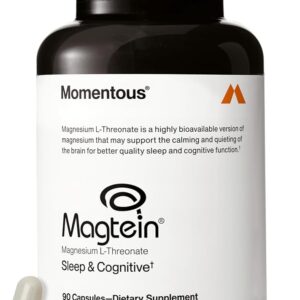
Momentous Magnesium L-Threonate
Check Price on Amazon -
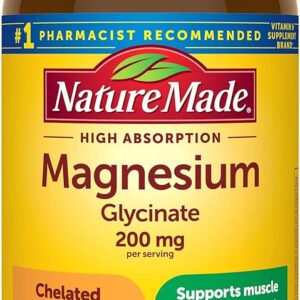
Nature Made Magnesium Glycinate 200mg
Check Price on Amazon -
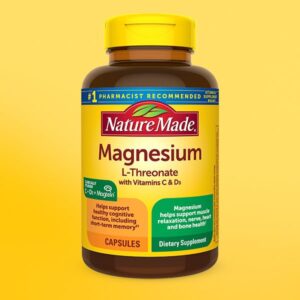
Nature Made Magnesium L-Threonate With Vitamins C & D3
Shop at NatureMade -
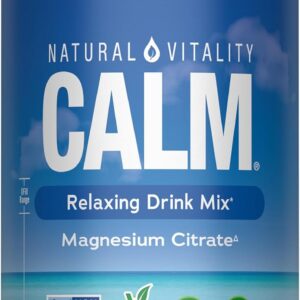
NOW Supplements Magnesium Citrate
Get Best Deal -
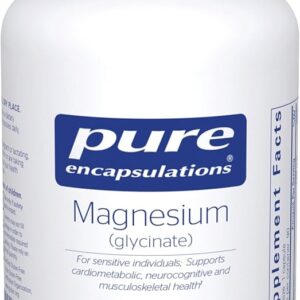
Pure Encapsulations Magnesium Glycinate
Check Price on Amazon -
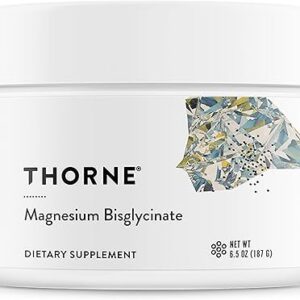
Thorne Magnesium Bisglycinate Powder
Shop Now
Frequently Asked Questions
What is the difference between magnesium glycinate, citrate, and oxide?
Magnesium glycinate is gentle on the stomach and best for sleep and relaxation since glycine itself is calming. Magnesium citrate has good absorption and a mild laxative effect, making it helpful for constipation. Magnesium oxide has the highest elemental magnesium per pill but the lowest absorption rate, so it is mainly used as a laxative.
Can magnesium help with sleep and anxiety?
Magnesium plays a key role in regulating GABA receptors and the nervous system, which directly affects sleep quality and stress response. Magnesium glycinate and threonate are the most commonly recommended forms for sleep and anxiety support. Taking 200-400mg about 30-60 minutes before bed is a popular protocol for improving sleep onset.
How much magnesium should I take per day?
The recommended daily allowance is 310-320mg for women and 400-420mg for men. Many people get only half this amount from diet alone, making supplementation beneficial. Start with a lower dose around 200mg and gradually increase to avoid digestive discomfort.
What are the signs of magnesium deficiency?
Common symptoms include muscle cramps, eye twitches, difficulty sleeping, anxiety, and fatigue. More severe deficiency can cause numbness, tingling, irregular heartbeat, and mood changes. Since magnesium is involved in over 300 enzymatic reactions, deficiency can affect nearly every body system.
What foods and habits affect magnesium absorption?
Calcium supplements, high-dose zinc, and phytic acid in grains can reduce magnesium absorption when taken at the same time. Vitamin D actually improves magnesium utilization, and the two work synergistically. Alcohol, caffeine, and chronic stress all increase magnesium excretion, which is why supplementation is especially helpful for people with high-stress lifestyles.