Multivitamins
Cover your nutritional bases with our curated selection of multivitamin supplements designed for active men and women. A quality multivitamin serves as nutritional insurance, filling the gaps that even a well-planned diet can leave. Supplements.Men features multivitamins from reputable brands that use bioavailable nutrient forms, clinically relevant dosages, and clean formulations free from unnecessary fillers and artificial colors.
Complete Nutrition in Every Serving
Our multivitamin collection includes formulas specifically designed for different needs. Sport and athletic multivitamins include higher doses of B vitamins for energy metabolism, antioxidants like vitamins C and E for exercise-induced oxidative stress, and minerals like zinc and magnesium that active bodies deplete faster. General health multivitamins provide balanced coverage of essential vitamins and minerals at levels that support immune function, bone health, cardiovascular wellness, and cognitive performance.
Look for multivitamins that use methylated folate instead of folic acid, chelated minerals for superior absorption, and vitamin D3 paired with K2 for optimal calcium utilization. We carry both capsule and tablet formats, as well as whole-food-based multivitamins that derive nutrients from concentrated food sources for those who prefer a more natural approach. One-daily and divided-dose options are available depending on your preference for convenience or sustained nutrient delivery throughout the day.
Browse our multivitamin selection below and simplify your daily supplement routine.
Looking for help choosing? Read our Complete Multivitamin Buying Guide.
Looking for help choosing? Read our Essential Vitamins Guide guide.
Showing all 16 results
-
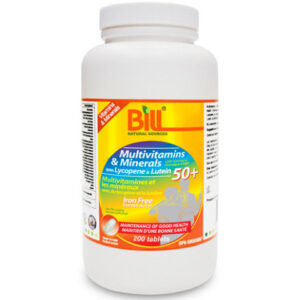
50+ Multi & Minerals, 200 Tablets
Get Best Deal -
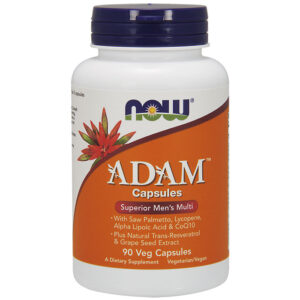
ADAM Cap, Superior Men’s Multi, 90 Vcaps
Get Best Deal -

ADAM Softgel, Superior Men’s Multi, 180
Get Best Deal -
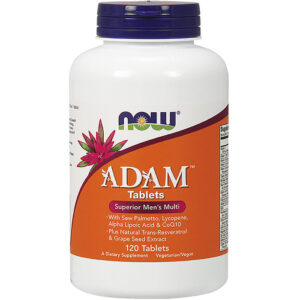
ADAM Superior Men’s Multi, 120 Tablets
Get Best Deal -

Adult Complete Gmies Multi+Omega+D, 180
Get Best Deal -

Animal Pak Multivitamin for Men
Check Price on Amazon -
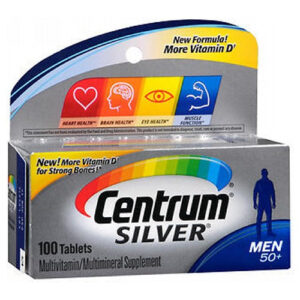
Centrum Silver Ultra Mens Multi Tabs
Get Best Deal -
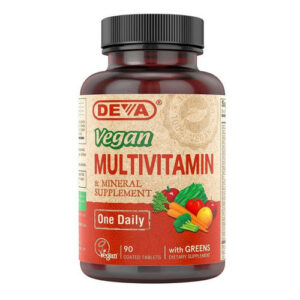
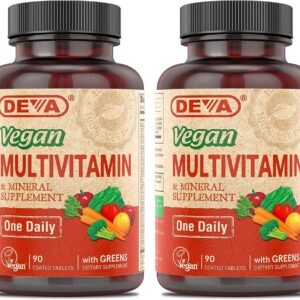
Deva Vegan Multivitamin and Mineral
Shop Now -
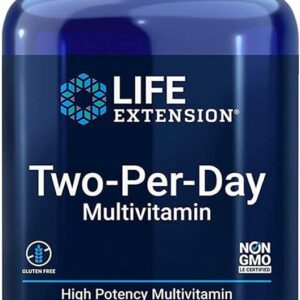
Life Extension Two-Per-Day Multivitamin, 120 Multivitamin tablets
Shop at Life Extension -

Life Extension Whole Food Multivitamin
Shop at Life Extension -

Nature Made Multi For Him Tablets
Check Price on Amazon -

NOW Foods Adam Men’s Multiple Vitamin
Shop Now -
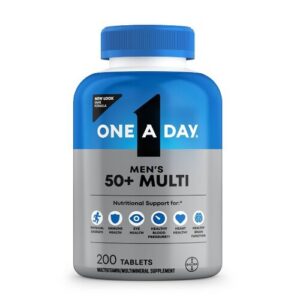
One A Day Men’s 50+ Healthy Advantage Multivitamin
Shop Now -
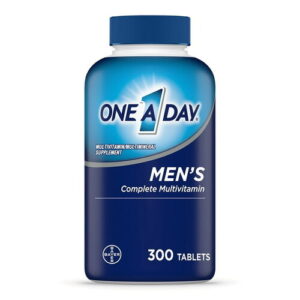
One A Day Men’s Health Formula Multivitamin
Shop Now -
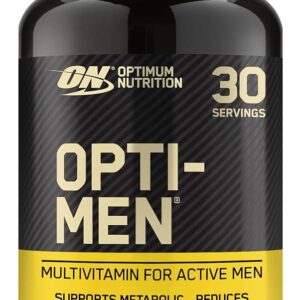
Optimum Nutrition Opti-Men Daily Multivitamin
Check Price on Amazon -
Rainbow Light Men’s One Multivitamin
Check Price on Amazon
Frequently Asked Questions
Do I really need a multivitamin if I eat a healthy diet?
Even with a balanced diet, soil depletion and modern food processing mean many foods contain fewer nutrients than they once did. A multivitamin acts as nutritional insurance to fill gaps you may not realize exist. Specific populations like older adults, pregnant women, and people on restricted diets especially benefit from supplementation.
What is the difference between food-based and synthetic multivitamins?
Food-based or whole-food multivitamins derive their nutrients from concentrated food sources, which may include natural cofactors that aid absorption. Synthetic vitamins are chemically identical to their natural forms in most cases and tend to be more affordable. Both can be effective, but food-based options may be gentler on sensitive stomachs.
When is the best time to take a multivitamin?
Take your multivitamin with a meal that contains some fat, since vitamins A, D, E, and K are fat-soluble and need dietary fat for absorption. Morning with breakfast is the most popular time and helps establish a daily routine. Avoid taking multivitamins on an empty stomach, as the iron and zinc content can cause nausea.
Should men and women take different multivitamin formulas?
Yes, because nutritional needs differ significantly between sexes. Women of childbearing age need more iron and folate, while men generally need less iron and more zinc and selenium. Age-specific formulas are also important since needs change after 50, particularly for calcium, vitamin D, and B12.
Can multivitamins interact with medications or other supplements?
Iron and calcium in multivitamins can reduce the absorption of thyroid medications and certain antibiotics. Vitamin K can interfere with blood-thinning medications like warfarin. Always take your multivitamin at least 2 hours apart from prescription medications, and let your doctor know about all supplements you take.