Probiotics
Support your digestive health, immune system, and overall wellbeing with our selection of probiotic supplements. Probiotics are beneficial live microorganisms that, when consumed in adequate amounts, help maintain a healthy balance of gut bacteria. Research continues to reveal the profound connection between gut health and everything from immune function and nutrient absorption to mood regulation and inflammatory response.
Targeted Strains for Real Benefits
Our probiotic collection features products with clinically studied bacterial strains at meaningful colony-forming unit (CFU) counts. Look for well-researched strains like Lactobacillus acidophilus and Lactobacillus rhamnosus for general digestive support, Bifidobacterium lactis for immune modulation, and Saccharomyces boulardii for targeted support during and after antibiotic use. Multi-strain formulas provide broad-spectrum gut support by colonizing different areas of the digestive tract.
We prioritize probiotic supplements that guarantee their CFU count through expiration rather than just at time of manufacture, use delayed-release capsules or spore-based technology to survive stomach acid, and store well without requiring refrigeration. Whether you are looking for a daily maintenance probiotic, a high-potency formula for intensive gut restoration, or a prebiotic-probiotic combination that feeds and supplies beneficial bacteria simultaneously, our selection has you covered.
Browse our probiotic supplements below and invest in your gut health.
Looking for help choosing? Read our Complete Probiotics Buying Guide.
Looking for help choosing? Read our Best Probiotics for Men guide.
Showing all 21 results
-
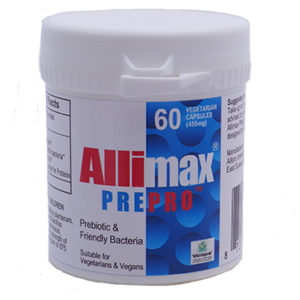
Allimax International – Allimax PrePro
Get Best Deal -

Clear Buddy Organic Kids Probiotic Gummies
Shop Now -

Culturelle Daily Digestive Probiotic
Check Price on Amazon -
Floraphage, Prebiotic, 30 Capsules
Get Best Deal -
Floraphage, Prebiotic, 90 Capsules
Get Best Deal -
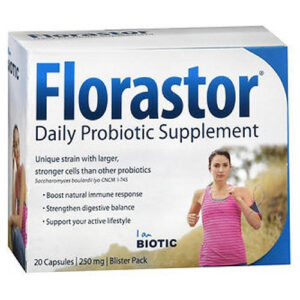
Florastor Max Strength Probiotic Caps
Get Best Deal -

Garden of Life Once Daily Mens Probiotic 50 Billion CFU
Shop Now -

Garden of Life Raw Probiotics for Men
Get Best Deal -
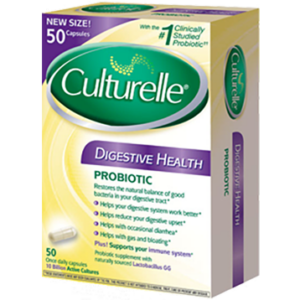
i-health – Digestive Probiotic 50 caps
Get Best Deal -
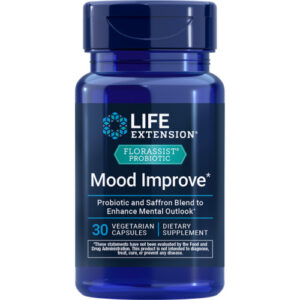
Life Extension FLORASSIST Mood Improve 30ct
Shop Now -
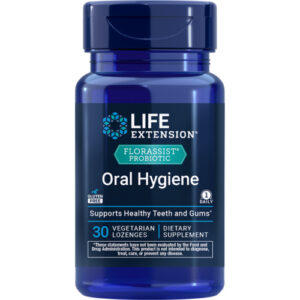
Life Extension FLORASSIST Oral Hygiene 30ct
Shop Now -
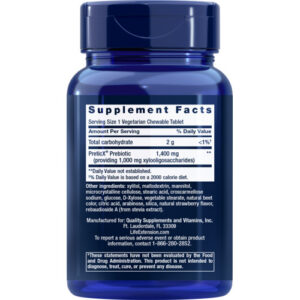
Life Extension FLORASSIST Prebiotic Chewable 60ct
Shop Now -
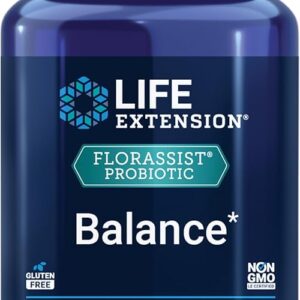
Life Extension FLORASSIST® PROBIOTIC Balance
Shop at Life Extension -

Life Extension FLORASSIST® Probiotic GI with Phage Technology (30 liquid vegetarian capsules)
Shop at Life Extension -
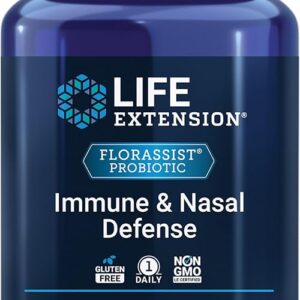
Life Extension FLORASSIST® Probiotic Immune & Nasal Defense
Shop at Life Extension -
Life Extension FLORASSIST® Probiotic Youthful Gut
Shop at Life Extension -

Life Extension Immune packetss with Vitamin C & D, Zinc and Probiotic (30 packets)
Shop at Life Extension -
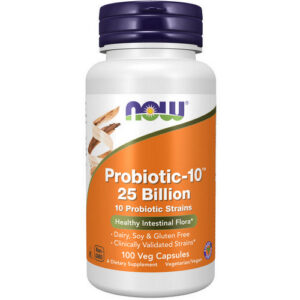
NOW Foods Probiotic-10 25 Billion 100
Shop Now -
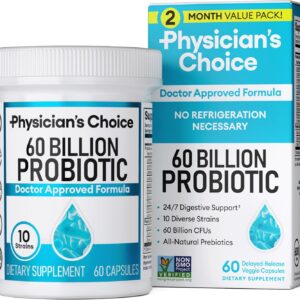
Physicians Choice 60 Billion Probiotic
Shop Now -
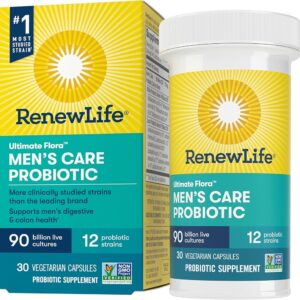
Renew Life Ultimate Flora Mens Complete Probiotic
Check Price on Amazon -
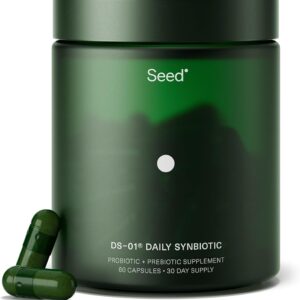
Seed DS-01 Daily Synbiotic Probiotic + Prebiotic
Check Price on Amazon
Frequently Asked Questions
How many CFUs do I need in a probiotic supplement?
For general health maintenance, 1-10 billion CFUs per day is usually sufficient. For specific digestive issues or after antibiotics, 15-50 billion CFUs may be more effective. The key is choosing a product with clinically studied strains rather than just chasing the highest CFU count.
What probiotic strains are most important to look for?
Lactobacillus acidophilus and Bifidobacterium lactis are well-researched strains for general digestive health. Lactobacillus rhamnosus GG is one of the most studied strains for immune support and diarrhea prevention. A multi-strain formula with 5-10 different strains often provides broader benefits than single-strain products.
Do probiotics need to be refrigerated?
Traditional probiotics often require refrigeration to keep the live cultures viable. However, many modern formulations use shelf-stable technology like freeze-drying and moisture-resistant packaging. Always check the label for storage instructions, and avoid leaving any probiotic in hot cars or direct sunlight.
Can I take probiotics while on antibiotics?
Yes, and it is actually recommended to help prevent antibiotic-associated diarrhea and gut flora disruption. Take your probiotic at least 2 hours before or after your antibiotic dose to prevent the antibiotic from killing the beneficial bacteria. Continue taking probiotics for at least 1-2 weeks after finishing your antibiotic course.
What is the difference between prebiotics and probiotics?
Probiotics are live beneficial bacteria that you introduce into your gut, while prebiotics are non-digestible fibers that feed the good bacteria already living there. Think of probiotics as planting seeds and prebiotics as fertilizer for your gut garden. Many supplements now combine both as synbiotics for maximum digestive benefit.