Vitamins & Minerals
Support your overall health and fill nutritional gaps with our selection of vitamins and minerals from trusted supplement brands. Even with a well-balanced diet, many people fall short on essential micronutrients that play critical roles in energy production, immune function, bone health, and hundreds of other biological processes. Supplements.Men features high-quality vitamin and mineral supplements in forms your body can actually absorb and use effectively.
Essential Micronutrients for Active Lifestyles
Our collection includes individual vitamins like Vitamin D3 for immune and bone support, Vitamin C for antioxidant protection and recovery, and B-complex vitamins for energy metabolism and nervous system health. On the mineral side, find zinc for testosterone support and immune function, iron for oxygen transport, and chelated mineral forms that offer superior bioavailability compared to standard oxide formulations.
We prioritize supplements that use bioavailable forms of each nutrient, meaning your body can actually absorb and utilize what you are taking. Look for methylated B vitamins, chelated minerals, and vitamin K2 paired with D3 for optimal synergy. Whether you need a comprehensive multivitamin to cover your bases or targeted individual nutrients to address specific needs, our curated selection emphasizes quality, purity, and evidence-based formulations.
Browse our vitamins and minerals collection below and invest in your long-term health.
Looking for help choosing? Read our Complete Multivitamin Buying Guide for expert recommendations.
Looking for help choosing? Read our Best Zinc Supplements guide.
Showing all 37 results
-
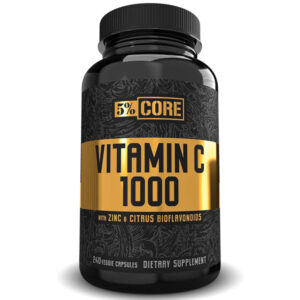
5% Nutrition Core Vitamin C 1000 Capsules
Get Best Deal -
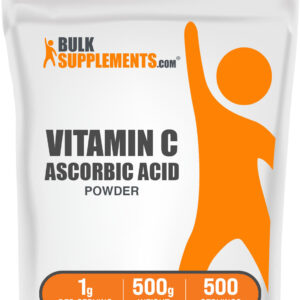
BulkSupplements Ascorbic Acid (Vitamin C) Powder
Shop Now -
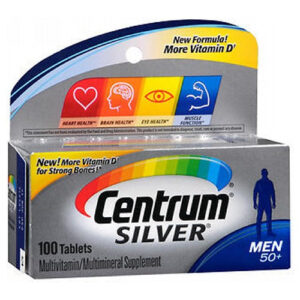
Centrum Silver Ultra Mens Multi Tabs
Get Best Deal -
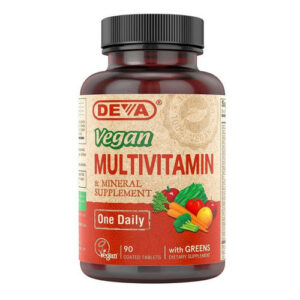
Deva Vegan Multivitamin and Mineral
Shop Now -
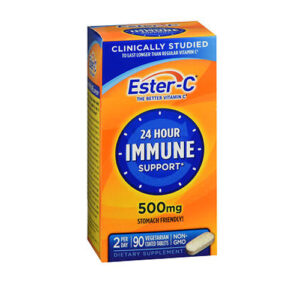
Ester-C Vitamin C 500mg 90 Coated Tablets
Shop Now -
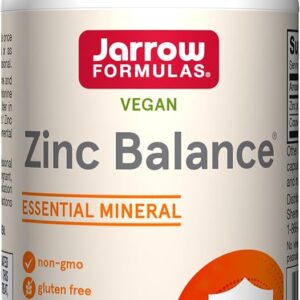
Jarrow Formulas Zinc Balance 15mg
Check Price on Amazon -
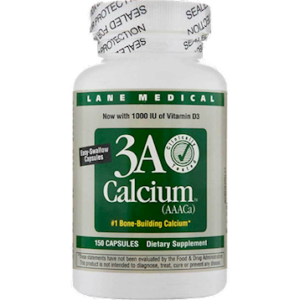
Lane Medical – 3A Calcium (AAACa) 150
Get Best Deal -
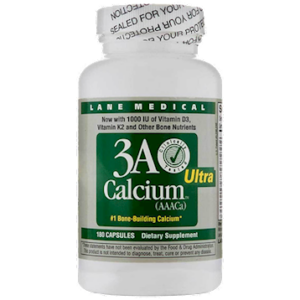
Lane Medical – 3A Calcium Ultra 180 Caps
Get Best Deal -
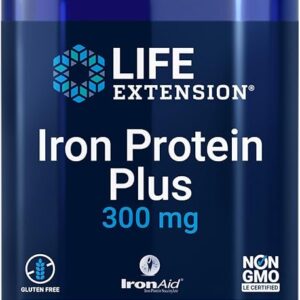
Life Extension Iron Protein Plus, 100 vegetarian
Shop at Life Extension -
Life Extension Liquid Vitamin D3 (Mint) (2000 IU) – 50 mcg, 50 mcg (2000 IU), 29.57 ml
Shop at Life Extension -
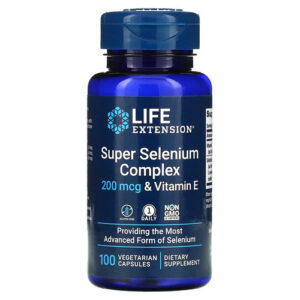
Life Extension Selenium Complex 200mcg 100ct
Shop Now -
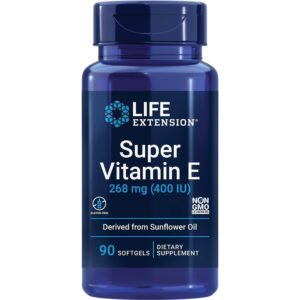
Life Extension Super Vitamin E (400 IU), 90 softgels – 268 mg (268 mg (400 IU), 90 softgels)
Shop at Life Extension -
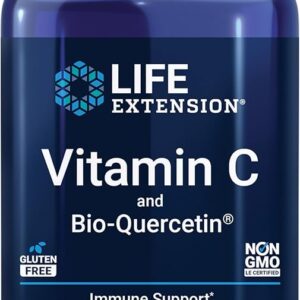
Life Extension Vitamin C and Bio-Quercetin®
Shop at Life Extension -
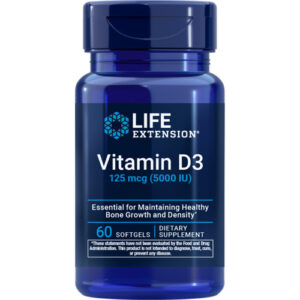
Life Extension Vitamin D3 5000 IU 60ct
Shop Now -
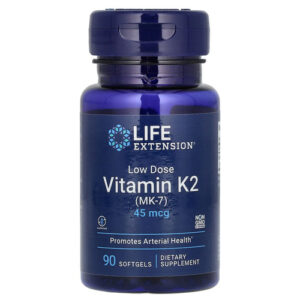
Life Extension Vitamin K2 MK-7 45mcg 90ct
Shop Now -
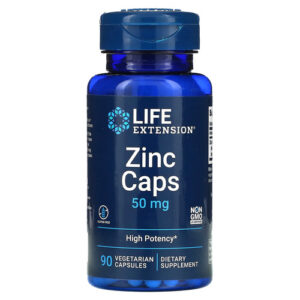
Life Extension Zinc Caps 50mg 90ct
Shop Now -
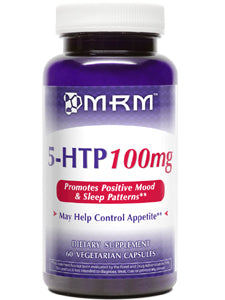
Metabolic Response Modifier – 5-HTP 100
Get Best Deal -
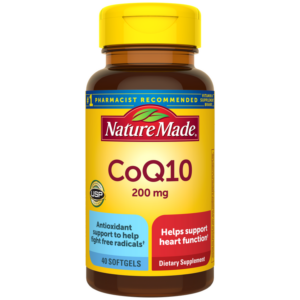
Nature Made CoQ10 200 mg Softgels
Shop at NatureMade -
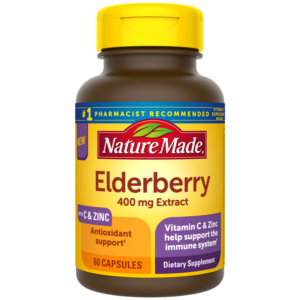
Nature Made Elderberry Capsules with Vitamin C and Zinc
Shop at NatureMade -
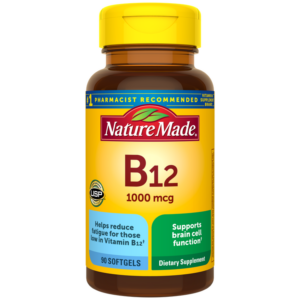
Nature Made Vitamin B12 1000 mcg Softgels
Shop at NatureMade -
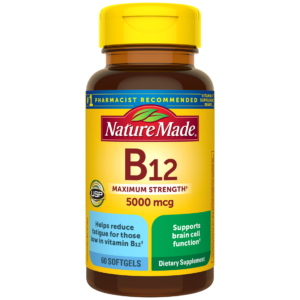
Nature Made Vitamin B12 Maximum Strength 5000 mcg Softgels
Shop at NatureMade -
Nature Made Vitamin C 1000 mg Tablets
Shop at NatureMade -
Nature Made Vitamin C 250 mg Gummies
Shop at NatureMade -
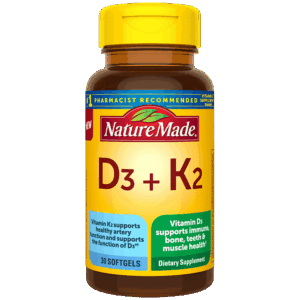
Nature Made Vitamin D3 + K2 Softgels
Shop at NatureMade -
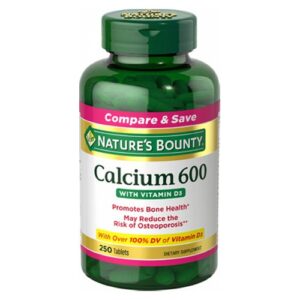
Nature’s Bounty Calcium 600 + D3 250ct
Get Best Deal -
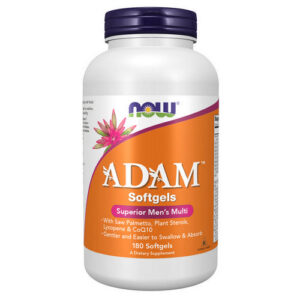
NOW Foods Adam Men’s Multiple Vitamin
Shop Now -
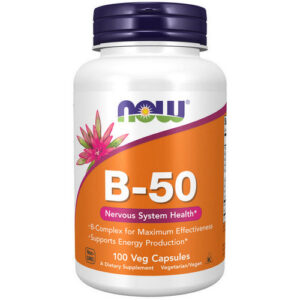
NOW Foods B-50 Complex 100 Veg Capsules
Shop Now -
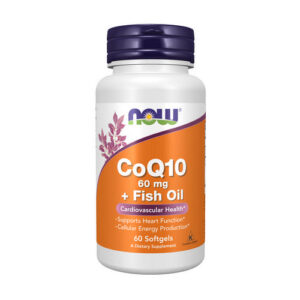
NOW Foods CoQ10 100mg 150 Softgels
Shop Now -
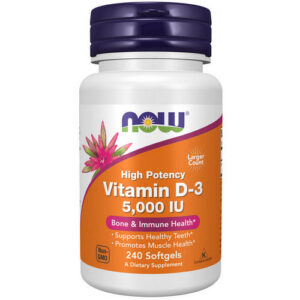
NOW Foods Vitamin D3 5000 IU 240 Softgels
Shop Now -
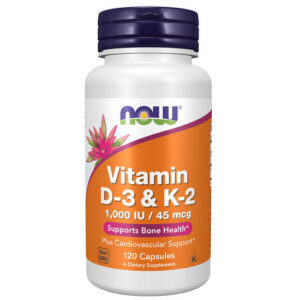
NOW Foods Vitamin D3 and K2 45mcg 120
Shop Now -
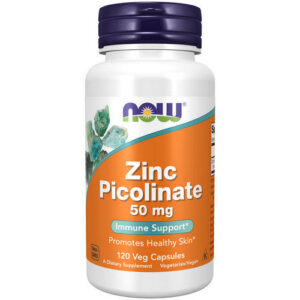
NOW Foods Zinc Picolinate 50mg 120 Veg
Shop Now -
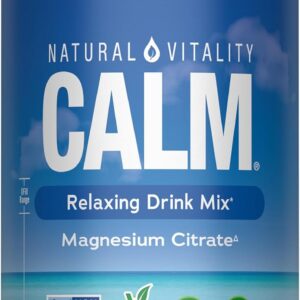
NOW Supplements Magnesium Citrate
Get Best Deal -
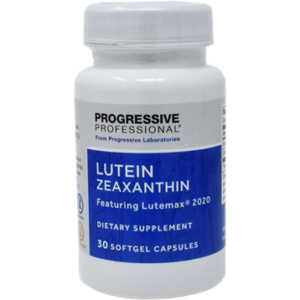
Progressive Labs – Lutein/Zeaxanthin 30
Get Best Deal -
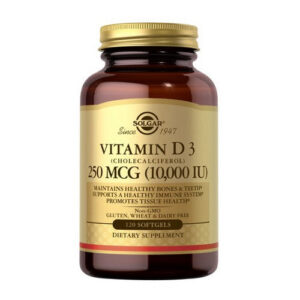
Solgar Vitamin D3 10000 IU 120 Softgels
Shop Now -
Thorne Zinc Picolinate 30mg
Check Price on Amazon -
Vita Living Bone & Joint Support
Get Best Deal -
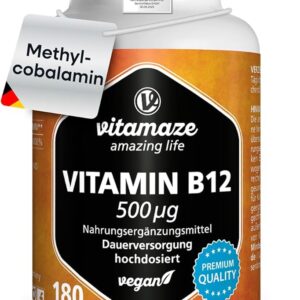
Vitamin B12 Methylcobalamin, 60 vegetarian lozenges – 5 mg (5 mg, 60 vegetarian lozenges), Life Extension
Shop at Life Extension
Frequently Asked Questions
Which vitamins and minerals should I take daily?
At minimum, most adults benefit from vitamin D, especially if you get limited sun exposure, and magnesium, which over 50 percent of Americans are deficient in. A quality multivitamin can cover basic gaps, but targeted supplementation based on blood work is more effective. Vitamin B12 is essential for vegetarians and vegans, while iron should only be taken if a deficiency is confirmed.
What is the best time of day to take vitamins?
Fat-soluble vitamins like A, D, E, and K absorb best when taken with a meal containing healthy fats. Water-soluble vitamins like B and C can be taken anytime but are often best in the morning for energy support. Magnesium and zinc are ideal before bed as they support relaxation and sleep quality. Avoid taking calcium and iron together as they compete for absorption.
How do I know if my vitamin supplements are high quality?
Look for third-party testing certifications like USP, NSF, or Informed Sport on the label. These verify that the product contains what it claims and is free from contaminants. Check for bioavailable forms of nutrients, such as methylcobalamin for B12 and chelated minerals. Avoid products with excessive fillers, artificial colors, or proprietary blends that hide individual ingredient amounts.
Can I take too many vitamins?
Yes, particularly with fat-soluble vitamins A, D, E, and K which are stored in body fat and can accumulate to toxic levels. Water-soluble vitamins like B and C are generally excreted when consumed in excess, though very high doses can still cause side effects. Follow recommended dosages and consider getting blood work to identify actual deficiencies before supplementing heavily.
Are gummy vitamins as effective as capsules or tablets?
Gummy vitamins typically contain lower doses of nutrients and often include added sugars and fillers. They may also degrade faster than tablets or capsules. However, they can be a reasonable option for people who struggle to swallow pills. For maximum potency, capsules and softgels generally offer better absorption and higher concentrations of active ingredients per serving.