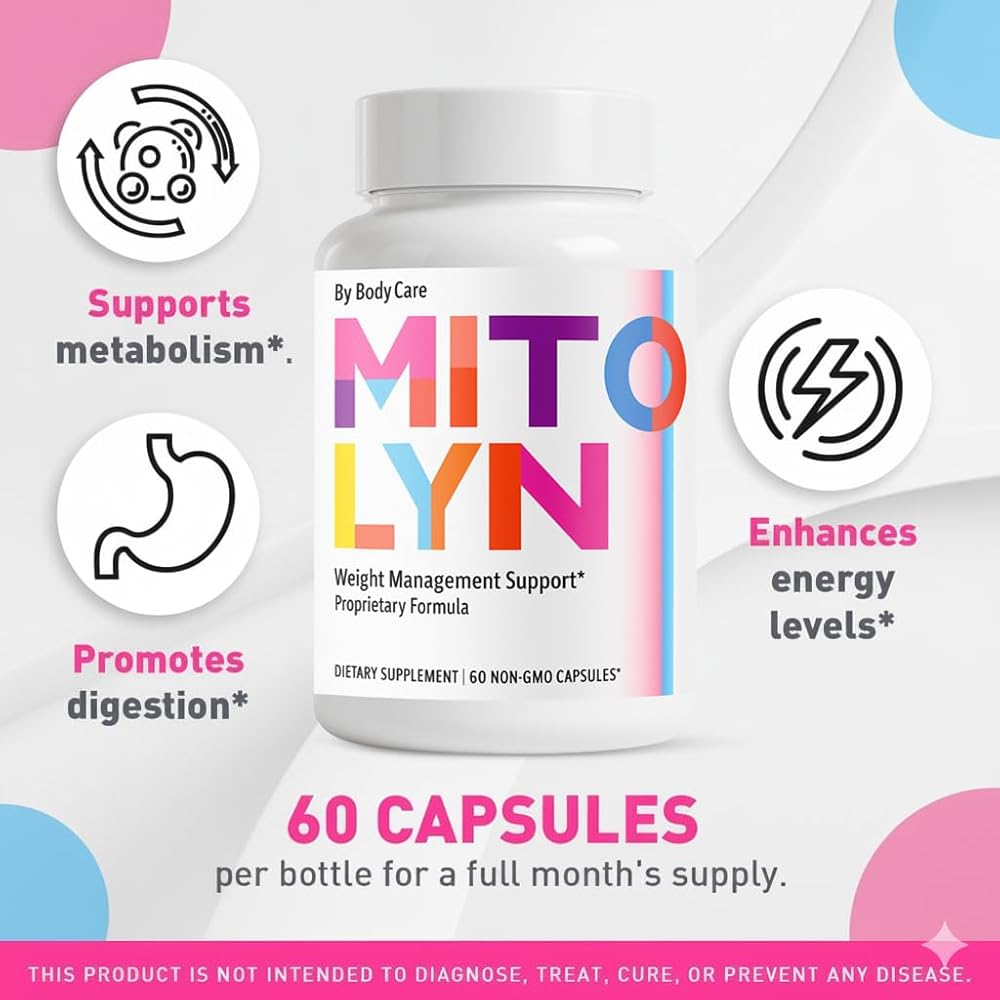
Mitolyn – Advanced Metabolism & Energy Support
Mitolyn is an advanced metabolic support formula that promotes cellular energy production and healthy fat metabolism. Helps boost energy levels and support weight management naturally.
Description
Disclosure: This page contains affiliate links. If you purchase through these links, we may earn a commission at no extra cost to you.
What Is Mitolyn? A Comprehensive Look at Mitochondrial Support
Mitolyn is a dietary supplement formulated to support mitochondrial function, targeting the cellular powerhouses that drive energy production and metabolism. Every cell in your body relies on mitochondria to convert the food you eat into adenosine triphosphate (ATP), the molecular currency of energy. When mitochondria work efficiently, you experience sustained energy, sharper mental focus, and a metabolism that responds well to diet and exercise.
As men age, mitochondrial function naturally declines. Research published in biogerontology journals has documented that mitochondrial efficiency can decrease by roughly 10% per decade after age 30. This gradual decline manifests as afternoon energy slumps, longer recovery times after exercise, stubborn body fat that resists traditional approaches, and a general sense of diminished vitality. The decline is not just about feeling tired — it represents a fundamental shift in how your cells produce and utilize energy.
Mitolyn addresses this challenge by combining five key ingredients that target different aspects of mitochondrial health: CoQ10 for electron transport support, PQQ for mitochondrial biogenesis, alpha-lipoic acid for antioxidant protection, acetyl-L-carnitine for fatty acid transport, and a B-vitamin complex for metabolic cofactor support. Rather than masking fatigue with stimulants, it aims to support the underlying cellular machinery responsible for energy production.
How Mitolyn Works: Understanding Mitochondrial Energy Production
To understand how Mitolyn may support your energy levels, it helps to understand what mitochondria actually do. Mitochondria are organelles found in nearly every cell, numbering in the hundreds to thousands per cell depending on the tissue. Muscle cells and brain cells, which have high energy demands, contain especially high concentrations of mitochondria.
Energy production happens through a process called oxidative phosphorylation, which takes place across the inner mitochondrial membrane. The electron transport chain (ETC) is a series of protein complexes — Complexes I through IV plus ATP synthase — that pass electrons down an energy gradient. As electrons move through the chain, protons are pumped across the membrane, creating an electrochemical gradient. ATP synthase then harnesses this gradient to produce ATP. A healthy mitochondrion can produce approximately 36 ATP molecules from a single glucose molecule.
When this process becomes less efficient, whether from aging, oxidative stress, or nutrient deficiencies, several things happen. Fewer ATP molecules are produced per cycle, more reactive oxygen species (ROS) leak from the chain causing further damage, and the mitochondria themselves become compromised. This creates a negative feedback loop where damaged mitochondria produce more ROS, which damages more mitochondria.
Mitolyn aims to intervene at multiple points in this cycle. CoQ10 serves as an electron carrier between Complexes I/II and Complex III. PQQ may stimulate the creation of new, healthy mitochondria through a process called mitochondrial biogenesis. Alpha-lipoic acid and acetyl-L-carnitine provide antioxidant protection and fatty acid transport, respectively. The B-vitamins serve as essential cofactors that support various enzymatic reactions throughout the entire energy production pathway.
Detailed Ingredients Breakdown
CoQ10 (Coenzyme Q10)
CoQ10 is arguably the most well-researched mitochondrial support ingredient. It functions as a critical electron carrier in the mitochondrial electron transport chain, shuttling electrons between Complex I/II and Complex III. Without adequate CoQ10, this transfer becomes inefficient, reducing ATP output and increasing ROS production.
Natural CoQ10 production peaks around age 20 and gradually declines. By age 40, tissue levels may be 30% lower than their peak, and by age 60 the decline can reach 50% or more. Statin medications, which are commonly prescribed for cholesterol management, can further reduce CoQ10 levels. Supplemental CoQ10 has been extensively studied, with clinical trials investigating its role in supporting cardiovascular function, exercise performance, and cellular energy production. The ubiquinol form (reduced CoQ10) is generally considered more bioavailable than the ubiquinone form.
PQQ (Pyrroloquinoline Quinone)
PQQ is a relatively newer entrant in the mitochondrial support category, but it has generated significant research interest due to its unique ability to support mitochondrial biogenesis — the creation of entirely new mitochondria. While most mitochondrial supplements focus on optimizing existing mitochondria, PQQ may help expand the total mitochondrial pool within cells.
PQQ activates signaling pathways including PGC-1alpha (peroxisome proliferator-activated receptor gamma coactivator 1-alpha), which is sometimes called the “master regulator” of mitochondrial biogenesis. Animal studies have shown that PQQ deprivation leads to impaired mitochondrial function, while supplementation appears to support the growth of new mitochondria. PQQ also functions as an antioxidant, reportedly capable of undergoing thousands of catalytic cycles compared to the four cycles of vitamin C, making it exceptionally stable.
Alpha-Lipoic Acid (ALA)
Alpha-lipoic acid stands out among antioxidants because of its dual solubility. It is effective in both water-soluble and fat-soluble environments, meaning it can provide protection throughout the cell, including the lipid-rich mitochondrial membranes. This versatility is important because mitochondrial membranes are particularly vulnerable to oxidative damage from ROS produced during normal energy metabolism.
Beyond its direct antioxidant activity, ALA also helps regenerate other antioxidants including vitamin C, vitamin E, and glutathione, effectively amplifying the body’s overall antioxidant defense network. It also serves as a cofactor for mitochondrial enzymes involved in energy metabolism, including pyruvate dehydrogenase and alpha-ketoglutarate dehydrogenase, both of which are critical for the citric acid cycle.
Acetyl-L-Carnitine (ALCAR)
Acetyl-L-carnitine plays a specific and essential role in mitochondrial energy production: it transports long-chain fatty acids across the inner mitochondrial membrane so they can undergo beta-oxidation and enter the energy production cycle. Without adequate carnitine, fatty acids cannot efficiently reach the mitochondrial matrix where they are broken down for energy.
The acetyl group on ALCAR provides an additional benefit over standard L-carnitine. It can cross the blood-brain barrier more readily, which means it may support cognitive function and mental clarity in addition to physical energy. Research has investigated ALCAR’s potential role in supporting focus, memory, and mood, making it a dual-purpose ingredient that targets both physical and mental energy.
B-Vitamin Complex
B-vitamins are foundational cofactors in energy metabolism. Vitamin B1 (thiamine) is essential for pyruvate dehydrogenase, the enzyme that feeds glucose-derived carbon into the citric acid cycle. Vitamin B2 (riboflavin) is a precursor to FAD, a critical electron carrier in the ETC. Vitamin B3 (niacin) is a precursor to NAD+, another essential electron carrier. Vitamin B5 (pantothenic acid) is a component of coenzyme A, required for fatty acid metabolism. Vitamin B6, B12, and folate support numerous enzymatic reactions throughout the metabolic pathway.
While B-vitamin deficiency is relatively uncommon in developed countries with varied diets, suboptimal levels are more prevalent than outright deficiency, particularly in older adults. Even mild insufficiency can impair mitochondrial enzyme function, reducing the efficiency of the entire energy production chain. Including a B-complex ensures that none of these cofactors become a bottleneck in the metabolic process.
Pros and Cons
| Pros | Cons |
|---|---|
| Targets root cause of energy decline (mitochondrial function) rather than masking fatigue with stimulants | Results are not immediate — most users report needing 4-8 weeks of consistent use before noticing changes |
| Multi-ingredient approach addressing several aspects of mitochondrial health simultaneously | Premium pricing compared to standalone CoQ10 or B-complex supplements |
| Caffeine-free formula avoids energy crashes and sleep disruption | Only available through the official website, not in retail stores |
| Ingredients backed by published research on mitochondrial support | Full ingredient dosages not individually disclosed on the label (proprietary blend element) |
| Suitable for long-term daily use without dependency concerns |
Who Should Take Mitolyn
Mitolyn is particularly relevant for men over 35 who notice their energy levels are not what they used to be. If you experience afternoon fatigue despite adequate sleep, find that recovery after workouts takes longer than it used to, or feel like your metabolism has slowed despite maintaining the same diet and exercise habits, these may be signs that mitochondrial function has declined and a targeted supplement could be worth considering.
Men who take statin medications may find CoQ10 supplementation especially relevant, as statins are known to reduce the body’s natural CoQ10 production. Active men looking to support exercise performance and recovery may also benefit from the combined approach of enhanced ATP production and antioxidant protection.
Who Should Avoid Mitolyn
Women who are pregnant or nursing should avoid this supplement, as the effects on fetal development have not been studied. Individuals taking blood-thinning medications should consult their healthcare provider before use, as CoQ10 may interact with certain anticoagulants. Anyone with a known medical condition should speak with a doctor before adding any new supplement to their regimen. If you experience any adverse reactions, discontinue use and consult a healthcare professional.
Dosage and Usage Recommendations
The recommended dosage is two capsules daily, taken with a meal that contains some dietary fat. Fat-soluble ingredients like CoQ10 and alpha-lipoic acid are better absorbed when consumed alongside dietary fats. Morning or early afternoon dosing is generally preferred, as the energy-supporting effects may interfere with sleep if taken late in the evening.
Consistency matters more than timing. Mitochondrial support is a gradual process — you are supporting biological changes at the cellular level, not overriding your system with stimulants. Most users report noticeable differences in energy and recovery within 4 to 8 weeks of daily use. For optimal results, pair supplementation with regular physical activity, adequate sleep (7-9 hours), and a balanced diet rich in whole foods. Supplements work best when they complement, rather than replace, healthy lifestyle habits.
Mitolyn vs. Alternatives
Mitolyn vs. Standalone CoQ10
Standalone CoQ10 supplements address one component of mitochondrial function — the electron transport chain. Mitolyn takes a broader approach by also supporting mitochondrial biogenesis (PQQ), antioxidant defense (ALA), fatty acid transport (ALCAR), and metabolic cofactors (B-vitamins). If your primary goal is comprehensive mitochondrial support, the multi-ingredient formula may offer advantages. If budget is the main concern and CoQ10 levels are your primary target, a standalone CoQ10 supplement is a more economical option.
Mitolyn vs. NMN/NAD+ Supplements
NMN (nicotinamide mononucleotide) and NR (nicotinamide riboside) supplements focus on boosting NAD+ levels, which decline with age and play a key role in mitochondrial function and cellular repair. Mitolyn and NAD+ precursors approach mitochondrial support from different angles, and some users choose to use both. Mitolyn focuses on the structural and functional components of mitochondria, while NAD+ precursors target the signaling and repair pathways.
Mitolyn vs. Energy Drinks and Stimulants
Energy drinks and caffeine provide a rapid but temporary boost by stimulating the central nervous system. They do not address the underlying cause of low energy and can lead to crashes, dependency, and sleep disruption. Mitolyn works at the cellular level and does not produce a noticeable “hit” like caffeine. The tradeoff is that results take weeks rather than minutes, but the energy support is more sustained and does not come with the typical stimulant side effects.
Frequently Asked Questions
How long does it take to notice results from Mitolyn?
Most users report noticing improvements in energy and recovery within 4 to 8 weeks of consistent daily use. Mitochondrial adaptations are biological processes that occur gradually at the cellular level. Some individuals may notice subtle changes sooner, particularly in mental clarity, while the full effects on physical energy and metabolism typically develop over 6 to 12 weeks.
Can I take Mitolyn with other supplements?
Mitolyn is generally compatible with most dietary supplements, including protein powders, creatine, and fish oil. However, if you are already taking a standalone CoQ10 or B-complex supplement, you may want to adjust your dosages to avoid unnecessary overlap. Consult your healthcare provider if you take prescription medications, particularly blood thinners or diabetes medications.
Is Mitolyn a stimulant?
No. Mitolyn does not contain caffeine or any central nervous system stimulants. It supports energy production at the mitochondrial level rather than stimulating the nervous system. This means it will not cause jitters, energy crashes, or interfere with sleep when taken as directed.
What happens if I stop taking Mitolyn?
Mitochondrial support supplements are not habit-forming. If you stop taking Mitolyn, you will not experience withdrawal symptoms. However, the benefits may gradually diminish over time as the supplemental nutrient support is removed. Many users choose to take mitochondrial support supplements on an ongoing basis as part of their daily health regimen.
Should I take Mitolyn on an empty stomach or with food?
Taking Mitolyn with a meal that contains some dietary fat is recommended. CoQ10 and alpha-lipoic acid are fat-soluble nutrients whose absorption is enhanced when consumed alongside fats. A meal containing eggs, avocado, nuts, olive oil, or similar fat sources is ideal.
Can younger men benefit from Mitolyn?
While mitochondrial decline is most pronounced after age 35, men in their 20s and early 30s who are physically active or under high stress may also benefit from mitochondrial support. Athletes and those with demanding training schedules place significant energy demands on their mitochondria, and supplemental support may aid recovery and sustained performance. That said, younger men with no specific energy concerns may not notice as dramatic an effect.
Does Mitolyn support weight management?
Mitolyn may help support a healthy metabolism by optimizing mitochondrial efficiency, which is the foundation of how your body processes and utilizes energy from food. However, it is not a weight loss pill and should not be expected to produce results on its own. It works best as a complement to regular exercise and a balanced diet. Think of it as supporting the engine (your metabolism) rather than being the fuel or the workout itself.
Our Verdict
Mitolyn takes a science-informed approach to a real and well-documented problem: age-related mitochondrial decline. Rather than relying on stimulants or single-ingredient formulas, it combines five complementary ingredients that each target a different aspect of mitochondrial health. The inclusion of PQQ for mitochondrial biogenesis is a notable differentiator, as most energy supplements ignore the need to produce new mitochondria entirely.
The main drawback is the patience required. This is not a product that delivers instant energy like a cup of coffee. It requires 4 to 8 weeks of consistent use, and individuals who are looking for immediate effects may find the gradual onset frustrating. The price point is also higher than basic CoQ10 supplements, though the multi-ingredient formula may represent better value than purchasing each ingredient separately.
For men over 35 experiencing declining energy, slower recovery, or a sluggish metabolism, Mitolyn is a reasonable option worth considering as part of a broader health strategy. It addresses a legitimate biological mechanism, uses researched ingredients, and takes a comprehensive rather than single-target approach. Combine it with regular exercise, quality sleep, and good nutrition for the best chance of meaningful results.
Individual results may vary. This product is not intended to diagnose, treat, cure, or prevent any disease. Consult your healthcare provider before starting any supplement.


Reviews
There are no reviews yet.